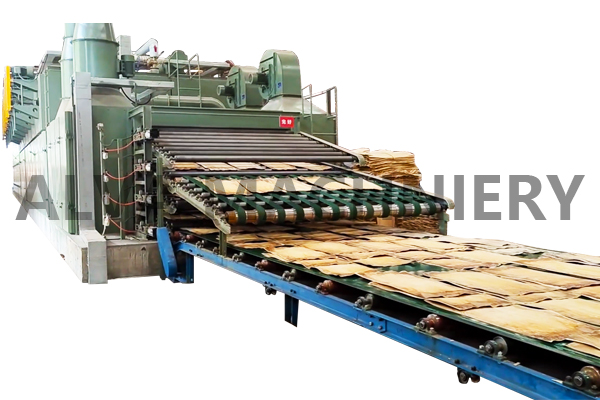
Industrial drying forces a frustrating trade-off between throughput speed and final product consistency. Plant managers often struggle when processing slurries, pastes, or heat-sensitive compounds. Failing to achieve uniform moisture content quickly leads to batch rejection, downstream clumping, or severe product discoloration. Fortunately, a properly configured Drum Dryer elegantly solves this problem. It achieves rapid, highly uniform drying, but only when engineers precisely calibrate the machine to your material's specific thermodynamics. Success completely depends on exact film thickness control, continuous scraper blade pressure, and maintaining the correct feed viscosity. This guide breaks down the mechanical realities of drum drying technology. You will learn the exact variables dictating speed and uniformity. We also provide critical evaluation criteria to help you determine if this equipment truly fits your specific production line.
Key Takeaways
Speed is driven by conductive heat transfer: Drum dryers achieve up to 85–90% thermal efficiency, utilizing phase-change latent heat to evaporate water in a single, rapid rotation.
Uniformity relies on mechanical precision: Consistent moisture profiles require flawless feed distribution (e.g., nip feeding or applicator rolls) and meticulously calibrated scraper blade pressure.
Material constraints dictate viability: The technology excels at thin-film slurries and pastes but requires careful thermal management for high-sugar products to prevent rubbery, sticky discharges.
Operational risks center on wear and tear: Maintaining consistent speed and evenness requires strict maintenance of scraper blades and internal steam pressure valves to prevent localized hot spots.
The Mechanics of Speed: How Fast Can a Drum Dryer Actually Operate?
Drying speed ultimately relies on heat transfer methods. Conductive heat transfer significantly outperforms convective drying in raw speed. When wet material makes direct contact with a heated cylinder, it absorbs heat instantly. This physical contact allows thermal efficiencies to reach impressive levels between 85% and 95%. Convective systems, like fluid beds, lose massive amounts of thermal energy to the surrounding exhaust air. A drum system utilizes phase-change latent heat to flash off water in just one rapid rotation.
The Three Stages of Rapid Evaporation
Engineers track moisture removal across a single rotation cycle. They break this rapid evaporation process into three distinct thermodynamic stages:
Initial Heating: The wet film hits the heated cylinder. Its temperature spikes rapidly until it reaches the boiling point.
Constant Temperature Phase: Moisture boils off rapidly. This vigorous evaporation pulls latent heat away from the surface. It stabilizes the film temperature while bulk water vanishes.
Temperature Rise: The system exhausts all free moisture. Removing the final bound moisture requires precise timing. The film temperature rises again, so operators must scrape it off quickly to avoid burning.
Variables Dictating Throughput
Actual evaporation capacity relies strictly on physical boundaries. You measure this in kilograms of water evaporated per hour per square meter. A Drum Dryer operates within strict mechanical limits. The physical surface area of the cylinder sets the baseline throughput. Next, rotation speed dictates residence time. Industrial units typically spin between 2 and 15 RPM. Finally, internal steam pressure provides the thermal muscle. Systems generally operate between 4 and 8 bar of steam pressure. You must balance these three variables to maximize speed without scorching the product.
Achieving Uniformity: Engineering Features That Prevent Uneven Drying
Fast drying means nothing if the batch lacks consistency. Consistent moisture profiles demand flawless mechanical precision across the entire machine.
Feed Distribution Systems
Material application dictates final quality. Uneven application guarantees uneven drying. If the slurry pools in one spot, it leaves a wet patch. Operators must match the feed distribution system to the material's physical properties.
Feed System | Ideal Material Viscosity | Common Industrial Applications |
Roll Feeding | High viscosity pastes | Thick starches, heavy chemical pastes |
Nip Feeding | Medium viscosity fluids | Dairy products, milk powders |
Splash/Spray Feeding | Low viscosity / high sedimentation | Mineral slurries, waste sludges |
Gap Calibration & Film Thickness
Applying the material correctly is only the first step. You must tightly control the film thickness. Engineers achieve this by micro-adjusting the gap between double drums or applicator rolls. A fraction of a millimeter difference across the cylinder length causes disastrous moisture variations. The film must remain perfectly identical from edge to edge. Precision machining of the drums ensures this uniform gap.
Internal Steam Management
Surface uniformity requires internal consistency. Heating a massive steel cylinder evenly presents a serious engineering challenge. Internal siphons constantly remove condensate buildup. Lifting flights and baffles distribute steam evenly inside the rotating drum. If these internal components fail, steam pools unevenly. This creates surface hot spots, which lead directly to patchy, uneven drying and product discoloration.
Automated Environmental Controls
Modern production lines eliminate human guesswork. They integrate sophisticated PLC systems to manage batch consistency. In-stream sensors constantly monitor surface temperatures and ambient humidity. If the feed material suddenly thickens, the PLC detects the load change. It dynamically adjusts the cylinder RPM and feed rates. This automated loop locks in product uniformity despite raw material variations.
Material Suitability: Assessing What Can and Cannot Be Processed
Not every product belongs on a heated cylinder. Understanding material thermodynamics helps you avoid costly operational failures.
The Slurry vs. Bulk Solid Distinction
Many buyers confuse traditional thin-film equipment with bulk solid processors. A traditional drum dryer handles liquids, slurries, and pastes. It requires the material to form a thin, cohesive film on the metal surface. In contrast, large, crushed aggregates or minerals require a rotary drum dryer. Rotary dryers tumble loose, chunky solids through a heated air stream. Never feed bulk solids into a thin-film machine.
Ideal Feed Parameters
Slurry conditions heavily influence drying success. The optimal solid content typically ranges between 15% and 50%. Viscosity acts as a critical boundary line. If the viscosity is too low, the fluid drips off. The film simply will not adhere to the hot steel. If the viscosity is too high, the paste clogs the feed mechanism. It refuses to spread evenly across the gap, creating thick, wet lumps.
Handling High-Sugar & Heat-Sensitive Materials
High-sugar products introduce complex phase transition challenges. Tomato paste and fruit purees behave unpredictably under high heat. When they reach the discharge zone, they exit in a sticky "rubbery state." They cling to the blade and form gummy blocks.
Engineers solve this by manipulating the physical state of the material. They integrate cold air jets just before the scraper blade. The sudden temperature drop forces a phase transition. The sugar matrix shifts from a sticky rubbery state into a brittle "glassy state." The scraper blade then shears it off cleanly, creating uniform, high-quality flakes.
Rehydration Benefits
Certain food sectors strongly prefer this technology over convective methods. Properly processed baby food or instant potatoes inherently possess superior cold-water-soluble properties. The intense conductive heat bursts starch structures during evaporation. This creates a porous flake that rehydrates almost instantly when consumers add water. Spray-dried alternatives often struggle to match this specific textural advantage.
Operational Bottlenecks: Risks to Consistency and Speed
Even the best systems face mechanical degradation. Identifying operational bottlenecks early keeps your production line moving smoothly.
Scraper Blade Degradation
The discharge blade serves as the primary single point of failure. It operates under constant friction against a hot metal cylinder. Over time, uneven blade wear leaves a microscopic residual film on the drum surface. This baked-on layer acts as an insulator. It drastically reduces heat transfer efficiency for all subsequent rotations. This completely ruins product uniformity. Operators must inspect and align these blades constantly.
Thermal Damage Risks
Operators must actively manage the relationship between rotation and heat. Severe product discoloration occurs if the rotation speed drops while internal steam pressure remains high. The material bakes onto the surface. In extreme cases, processing volatile chemical pastes under these conditions presents a genuine fire hazard. System interlocks must immediately vent steam pressure if the main drive motor fails.
Maintenance Overhead
High speeds and heavy loads create mechanical stress. Trunnion bearings support massive weight while rotating continuously. Rotary steam joints handle high-pressure steam while spinning. Both require strict lubrication schedules. Frequent blade replacements consume maintenance hours. Advanced facilities often invest in ceramic or composite cylinder coatings. These specialized layers extend equipment lifespan and improve flake release, though they require careful handling during blade installation.
Best Practices for Operations
Inspect scraper blade alignment using a feeler gauge before starting every shift.
Install dual condensate siphons to prevent internal water logging.
Monitor motor amperage constantly; unexpected spikes indicate feed blockages.
Common Mistakes to Avoid
Never feed cold, dense pastes rapidly without pre-warming them first.
Do not increase steam pressure beyond rated limits to compensate for worn blades.
Avoid using abrasive cleaning tools on the machined cylinder surface.
Buyer’s Framework: Evaluating a Drum Dryer for Your Production Line
Selecting the right equipment requires matching mechanical capabilities to your specific facility constraints.
Footprint & Capital Expenditure
Facility layout heavily influences equipment choice. A drum system generally requires 30% to 40% less floor space than a comparable spray drying tower. You save significant vertical space since you do not need massive air heating and exhaust filtration chambers. Furthermore, conductive systems offer excellent energy efficiency. They allow plants to implement waste heat recovery loops, capturing exhaust vapor to pre-heat incoming liquid streams.
Configuration Selection
Different materials require different physical setups. Buyers must navigate several mechanical configurations.
Configuration Type | Key Mechanical Feature | Primary Industrial Use Case |
Single Drum | One cylinder with splash/roll feed | Low-viscosity liquids, fruit purees |
Double Drum | Two counter-rotating cylinders (nip feed) | High-capacity processing, thick pastes |
Vacuum Enclosed | Operates in a low-pressure chamber | Extreme heat-sensitive pharmaceuticals |
Scalability & Flexibility
Modern plant managers prioritize production agility. Advanced setups offer remarkable flexibility. For example, you can deploy a double drum dryer decoupled from its standard nip feed. By installing top applicator rolls, you can operate the machine as two completely independent single drums. This allows a facility to run two different product lines simultaneously on one machine frame, maximizing factory agility.
Vendor Shortlisting Criteria
Purchasing industrial equipment requires finding a reliable engineering partner. Always prioritize manufacturers offering dedicated pilot-testing facilities. Do not buy a machine based entirely on spreadsheet calculations. Require verified, HACCP-compliant hygienic designs if processing food or pharma. Finally, verify their local aftermarket support. Trunnion bearings and scraper blades are critical wear parts; waiting weeks for overseas shipping will cripple your production schedule.
Conclusion
A drum drying system absolutely can dry materials rapidly and evenly. However, achieving this requires perfectly matching the equipment configuration to the fluid dynamics and thermal thresholds of your specific feed material. Conductive heat transfer offers unmatched thermal efficiency and speed. Micro-calibrated scraper blades and gap adjustments lock in moisture uniformity. However, operators must diligently manage blade degradation and internal steam consistency to prevent localized hot spots.
Your immediate next step should involve material testing. We highly recommend conducting a small-scale pilot test with a reputable vendor. This trial determines your material's exact evaporation rate and identifies the optimal scraper blade pressure. Securing this empirical data removes the guesswork before you commit to a full-scale capital purchase.
FAQ
Q: What causes uneven drying in a drum dryer?
A: Uneven drying primarily stems from mechanical inconsistencies. The main culprits include uneven feed application, worn scraper blades, or poorly managed internal steam pressure. If the steam pools inside the cylinder, it creates surface hot spots that bake the material unevenly.
Q: Can a drum dryer handle large, solid materials?
A: No. Traditional thin-film machines process only liquids and pastes that form a cohesive layer. Large solids require a rotary drum dryer equipped with internal lifters. They often require extensive pre-crushing before processing.
Q: How do you control the thickness of the dried product?
A: You control product thickness by physically adjusting the gap (nip) between drums or applicator rolls. You must also modify the slurry feed rate and fine-tune the input viscosity to ensure it spreads flawlessly across the heated surface.
Q: Are drum dryers more energy-efficient than spray dryers?
A: Yes, generally. Conductive heat transfer utilizes significantly less energy per kilogram of evaporated water. It also requires much less air-handling infrastructure, fans, and exhaust filtration than a massive convective spray drying tower.

 English
 العربية
 Français
 Русский
 Español
 Português
 Deutsch
 italiano
 日本語
日本語 한국어
한국어 Nederlands
 Tiếng Việt
 ไทย
ไทย Polski
 Türkçe
 አማርኛ
አማርኛ ພາສາລາວ
 ភាសាខ្មែរ
 Bahasa Melayu
 ဗမာစာ
ဗမာစာ தமிழ்
தமிழ் Filipino
 Bahasa Indonesia
 magyar
 Română
 Čeština
 Монгол
 қазақ
қазақ Српски
 हिन्दी
 فارسی
فارسی Kiswahili
 Slovenčina
 Slovenščina
 Norsk
Norsk Svenska
 українська
 Ελληνικά
 Suomi
Suomi Հայերեն
 עברית
עברית Latine
 Dansk
Dansk اردو
اردو Shqip
Shqip বাংলা
বাংলা Afrikaans
 Māori
Māori অসমীয়া
 Беларуская мова
 Català


