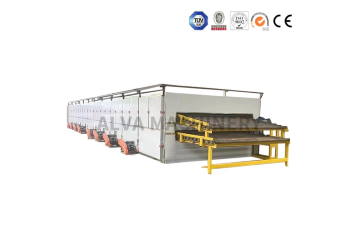
The wood and timber industry has seen significant advances in technology over the years, and one of the most transformative innovations has been the development of drying kilns. These machines play a crucial role in the wood processing industry by reducing moisture content in freshly cut wood, making it easier to handle, more durable, and suitable for various applications. Whether you're a furniture maker, builder, or involved in the production of wooden products, drying kilns are essential tools that help ensure the quality and longevity of timber.
In this article, we will explore how drying kilns have revolutionized the wood and timber industry. We’ll look at what drying kilns are, how they work, their benefits, and the different types available. We will also discuss the role of drying kilns in enhancing product quality, boosting efficiency, and promoting sustainability in the industry.
What is a Drying Kiln?
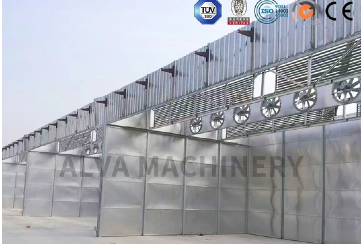
A drying kiln is a specialized chamber used to remove moisture from wood and timber. Freshly cut wood, or green wood, contains a high level of moisture that needs to be reduced before the material can be used in manufacturing, construction, or other applications. Drying kilns are designed to control the temperature, humidity, and airflow inside the chamber to remove this moisture in a controlled, uniform manner.
The drying process, known as kiln drying, involves placing the wood inside the kiln and applying heat to evaporate the moisture. This process can take anywhere from a few days to several weeks, depending on the type of wood, its thickness, and the moisture content. Drying kilns are crucial for ensuring that wood reaches the desired moisture content, which typically ranges from 6% to 20%, depending on the specific use case.
How Do Drying Kilns Work?
Drying kilns work by utilizing a combination of heat and airflow to speed up the natural drying process of wood. The wood is placed in the kiln, and the machine uses controlled temperature and humidity settings to remove excess moisture from the timber. The process is typically broken down into a series of steps:
Loading: The wood is carefully loaded into the kiln, where it is arranged in a way that ensures proper airflow around each piece. The wood is stacked in a manner that allows heat to reach all surfaces.
Heating: The kiln generates heat through the use of electric heaters, steam, or gas burners. The temperature inside the kiln is carefully controlled, gradually increasing to the desired level.
Moisture Removal: As the temperature rises, the moisture inside the wood starts to evaporate. Fans inside the kiln circulate the air, ensuring that the moisture is evenly distributed and removed from all parts of the wood.
Conditioning: After the majority of moisture is removed, the temperature and humidity are gradually reduced. This step helps prevent cracking, warping, or other damage to the wood that can occur when drying is too rapid or uneven.
Unloading: Once the wood has reached the desired moisture content, it is removed from the kiln. The wood is now ready for use in furniture production, construction, or other applications.
The controlled environment inside a drying kiln ensures that the wood dries uniformly, reducing the risk of defects and improving the overall quality of the finished product.
The Role of Drying Kilns in the Wood and Timber Industry
1. Enhancing Product Quality
The primary purpose of a drying kiln is to produce wood with the right moisture content for its intended use. Drying wood properly helps to improve its dimensional stability, which means the wood is less likely to shrink, swell, or warp over time. This is especially important for applications like furniture making, flooring, and cabinetry, where consistency and precision are critical.
In addition to dimensional stability, kiln drying helps improve the strength and durability of the wood. By reducing moisture content, drying kilns help prevent wood from becoming soft or weak, which can lead to damage over time. Properly dried wood is also more resistant to pests and fungal decay, further enhancing its longevity.
2. Boosting Efficiency and Productivity
Drying kilns contribute to the efficiency of the wood processing industry by accelerating the drying process. Natural drying methods, such as air drying, can take months and are often dependent on weather conditions. In contrast, a drying kiln allows businesses to control the drying environment, ensuring that wood can be dried more quickly and consistently.
This faster drying process leads to shorter turnaround times, enabling businesses to process more wood in less time. For companies that produce large quantities of timber or wood products, such as sawmills, furniture manufacturers, and builders, this increased efficiency can lead to significant cost savings and higher production rates.
Moreover, modern drying kilns are designed with automated systems that reduce the need for manual labor. These systems can monitor and adjust temperature, humidity, and airflow, ensuring that the drying process remains optimal without constant human intervention. This automation improves overall productivity by reducing errors, enhancing consistency, and freeing up workers to focus on other tasks.
3. Improving Sustainability
Sustainability is a growing concern in the wood and timber industry, and drying kilns contribute to more sustainable practices in several ways. First, kiln drying is more efficient than traditional air drying, which reduces the amount of time the wood must be exposed to the elements. This leads to reduced energy consumption in the long run.
Some modern drying kilns are equipped with energy-efficient technologies, such as heat recovery systems, that capture and reuse heat from the drying process. This minimizes energy waste and lowers overall operating costs. In addition, kiln drying eliminates the need for wood to be left outside, exposed to the elements, reducing the risk of environmental damage such as rainwater absorption, mold growth, and fungal infestation.
Kiln drying also reduces waste because it minimizes the amount of wood that is discarded due to poor drying practices. When wood is dried improperly, it can become warped, cracked, or unusable. Drying kilns ensure that more wood is processed to the correct moisture level, reducing waste and improving material yield.
4. Enabling Customized Drying Processes
One of the key advantages of drying kilns is their ability to be customized to suit the needs of different types of wood. Various species of wood have different drying requirements, and the kiln must be set to specific temperature and humidity levels for optimal results.
For example, hardwoods like oak and maple require a slower, more gradual drying process, while softwoods like pine and fir can be dried more quickly. Modern drying kilns allow operators to adjust settings based on the species and size of the wood, ensuring that each batch of timber is dried according to its unique needs.
This level of customization makes drying kilns versatile tools that can accommodate a wide variety of wood types and products. Whether you're drying small pieces of lumber for furniture or large beams for construction, a drying kiln can be tailored to meet the specific requirements of your operation.
5. Reducing Wood Defects
Improper drying can lead to a number of defects in wood, such as cracks, warping, and internal checking. These defects can reduce the value of the wood and make it unsuitable for high-quality applications. Drying kilns help prevent these issues by providing a controlled environment where temperature and humidity levels can be carefully regulated.
Kiln drying ensures that wood dries evenly and uniformly, reducing the risk of cracking and other defects that typically occur when the drying process is too rapid or uneven. As a result, businesses can produce wood that is more reliable, durable, and suited to a wider range of uses.
Types of Drying Kilns
There are several types of drying kilns, each with its own advantages depending on the size of the operation and the type of wood being processed. Some of the most common types include:
1. Conventional Kilns
Conventional kilns are the most common type and operate by using a combination of heat, humidity control, and forced air circulation. These kilns are suitable for a wide range of wood species and are used in many sawmills and wood processing facilities.
2. Vacuum Kilns
Vacuum kilns use a vacuum system to reduce the boiling point of water, allowing wood to dry at lower temperatures. This method is particularly useful for drying exotic woods and high-value timber that may be sensitive to heat.
3. Dehumidification Kilns
Dehumidification kilns use a system that pulls moisture out of the air inside the kiln, allowing the wood to dry without applying direct heat. These kilns are energy-efficient and are often used in small-scale operations or for drying smaller batches of wood.
4. Radio Frequency Kilns
Radio frequency kilns use electromagnetic energy to heat the water molecules inside the wood. This method offers fast drying times and is ideal for thick or dense wood, although it requires specialized equipment.
Conclusion
Drying kilns have truly revolutionized the wood and timber industry by improving the quality, efficiency, and sustainability of wood processing. These machines allow businesses to quickly and consistently reduce the moisture content of wood, producing high-quality materials that are less prone to defects. By enhancing product quality, boosting productivity, and supporting more sustainable practices, drying kilns have become an indispensable tool for companies looking to stay competitive in the wood and timber industry.
As the industry continues to evolve, the role of drying kilns will only become more critical, with advancements in technology paving the way for even more efficient, energy-saving, and customizable drying solutions. Whether you're involved in biomass production, construction, furniture making, or any other wood-related business, investing in a drying kiln is an essential step toward optimizing your operations and ensuring the longevity of your wood products.

 English
 العربية
 Français
 Русский
 Español
 Português
 Deutsch
 italiano
 日本語
日本語 한국어
한국어 Nederlands
 Tiếng Việt
 ไทย
ไทย Polski
 Türkçe
 አማርኛ
አማርኛ ພາສາລາວ
 ភាសាខ្មែរ
 Bahasa Melayu
 ဗမာစာ
ဗမာစာ தமிழ்
தமிழ் Filipino
 Bahasa Indonesia
 magyar
 Română
 Čeština
 Монгол
 қазақ
қазақ Српски
 हिन्दी
 فارسی
فارسی Kiswahili
 Slovenčina
 Slovenščina
 Norsk
Norsk Svenska
 українська
 Ελληνικά
 Suomi
Suomi Հայերեն
 עברית
עברית Latine
 Dansk
Dansk اردو
اردو Shqip
Shqip বাংলা
বাংলা Afrikaans
 Māori
Māori অসমীয়া
 Беларуская мова
 Català


