
Views: 0 Author: Site Editor Publish Time: 2025-12-15 Origin: Site


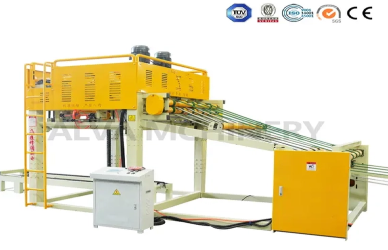
Maintaining wood-based panel machinery is essential for ensuring its longevity, efficiency, and consistent performance. Proper care and regular upkeep not only help prevent costly breakdowns but also optimize production, reduce downtime, and enhance product quality. As the machinery used in wood-based panel production is typically subjected to heavy use and continuous operation, it’s vital to follow a structured maintenance plan. This article provides key tips for keeping your wood-based panel machinery in top condition, from daily tasks like cleaning and lubrication to more complex monthly inspections. By adopting a proactive approach to maintenance, manufacturers can extend the lifespan of their machinery, improve operational efficiency, and ultimately save on repair costs.
Regular cleaning is a fundamental part of daily maintenance in wood-based panel machinery. Dust, wood debris, and resin buildup can accumulate over time, leading to clogged systems, overheating, or even equipment failure. Cleaning the machinery daily prevents this buildup and ensures smooth operation. It is also essential to inspect key components such as motors, presses, and conveyors. Daily checks help identify wear and tear, potential malfunctions, or any unusual signs early, allowing for corrective action before more significant issues arise.
Lubricating the moving parts of machinery plays a vital role in reducing friction and wear. Proper lubrication ensures that components like gears, belts, and bearings function smoothly, extending their lifespan and preventing costly repairs. Daily lubrication is crucial to maintaining the efficiency and reliability of wood-based panel machinery, helping to prevent unnecessary breakdowns and ensuring consistent production performance.
Hydraulic and air systems are integral to the operation of many wood-based panel machines. Leaks in these systems can lead to pressure loss, reduced performance, or even complete system failure. Daily checks for leaks in hoses, connections, and seals are essential for preventing these issues. Identifying and addressing leaks early on helps maintain system efficiency and avoids the potential for more significant problems during production, ensuring smooth and uninterrupted operation.
Loose components and misaligned parts can lead to inefficient operation, increased wear, and potential damage to the machinery. Over time, vibrations and normal wear can cause bolts, fasteners, and other parts to loosen, affecting the overall performance and precision of the equipment. Weekly checks for tightness and proper alignment of moving parts like rollers, belts, and gears are essential to ensure smooth operation and prevent unnecessary strain on the machinery. Regularly tightening and realigning components will improve efficiency and extend the lifespan of your equipment.
Inspecting electrical systems, wiring, and motor connections is crucial for ensuring safe and reliable operation. Electrical faults such as frayed wires, loose connections, or worn-out components can lead to failures or electrical fires, while mechanical issues like damaged gears or motors can cause breakdowns. Weekly inspections help identify potential problems early, reducing the risk of costly repairs or unscheduled downtime. Ensuring that all electrical and mechanical systems are in good condition guarantees the continued functionality of the machinery.
Wood-based panel machinery is prone to accumulating dust, wood chips, and other particles during production. These materials can clog up ventilation systems, affect the performance of motors, or cause overheating, leading to equipment failure. Weekly cleaning of dust collection systems and removal of debris from machinery is vital for maintaining optimal airflow and preventing clogging. By clearing out accumulated particles, manufacturers can improve machine efficiency, reduce the risk of fire hazards, and ensure a cleaner working environment.
Proactive maintenance is a key strategy for ensuring the longevity and efficiency of wood-based panel machinery. By implementing a proactive approach, small issues are identified and addressed before they evolve into major breakdowns or system failures. Waiting for machinery to fail before taking action—reactive repairs—can lead to extended downtime, expensive repairs, and lost production time. Proactively addressing wear and tear, such as replacing worn-out parts or recalibrating equipment, ensures smoother operations and helps avoid unexpected disruptions. The cost benefits of fixing minor issues early on are significant, as they prevent costly repairs and the need for emergency fixes, which often come at a higher cost and longer repair time.
Establishing a regular maintenance schedule is essential for keeping wood-based panel machinery in optimal condition. A well-structured maintenance plan ensures that routine checks, lubrication, and part replacements are done on time, preventing minor issues from escalating into costly problems. Scheduled maintenance helps identify potential problems before they affect production and keeps the machinery running efficiently. It also minimizes the risk of forgetting important maintenance tasks, ensuring that all critical components are regularly serviced and remain in peak working condition. By adhering to a maintenance schedule, manufacturers can optimize machine performance, reduce unplanned downtime, and improve overall production efficiency.
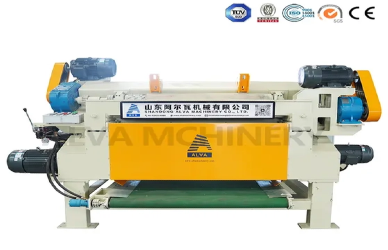
Training operators is essential for ensuring the smooth and efficient operation of wood-based panel machinery. Well-trained operators are equipped with the knowledge to perform basic maintenance tasks, such as cleaning, lubrication, and monitoring key components for wear. Additionally, they can identify potential issues early on, preventing minor problems from escalating into costly breakdowns or production halts. Operator awareness is crucial for the longevity of machinery, as operators who understand the importance of regular upkeep and recognize early signs of trouble can help extend the life of the equipment. Proper training fosters a proactive approach to maintenance, improving both the equipment's performance and overall productivity.
Encouraging operators to follow best practices in machinery operation is vital for minimizing wear and tear. Operators should be trained to avoid practices such as overloading machines, using equipment improperly, or ignoring operational limits, all of which can accelerate damage and reduce machinery lifespan. Promoting good operational habits—such as adhering to manufacturer guidelines, maintaining correct operating speeds, and using machinery for its intended purpose—can significantly reduce the likelihood of premature wear, breakdowns, and unnecessary repairs. By fostering an environment where operators prioritize proper handling, manufacturers can ensure that their equipment operates efficiently for longer periods, reducing maintenance costs and increasing overall production efficiency.
To ensure smooth operation, daily checks should focus on several key components:
Cleaning: Ensure that dust, debris, and wood chips are removed from the machinery, especially around moving parts and vents, to prevent clogging and overheating.
Lubrication: Check that moving parts like motors, belts, and gears are adequately lubricated to reduce friction and wear.
Inspecting Motors and Hydraulic Systems: Examine motors for signs of wear or overheating, and inspect hydraulic systems for leaks or pressure issues. These daily checks help identify minor issues before they affect production.
Routine checks and minor maintenance tasks, such as lubrication and cleaning, can typically be handled by operators or in-house maintenance staff. However, professional inspections are necessary when:
Complex issues arise, such as motor failures or electrical malfunctions.
There are concerns about performance issues that could involve advanced diagnostics, like imbalances in machinery alignment or hydraulic system failures.
Machinery shows signs of serious wear, such as unusual noises or vibration, that require specialized knowledge or equipment to address.
Yes, routine maintenance plays a crucial role in preventing unexpected downtime. Regular checks allow operators to identify minor issues—such as a worn-out belt or a minor hydraulic leak—before they escalate into major failures. Addressing these small problems proactively ensures smoother and more reliable production. Scheduled maintenance also keeps machinery running efficiently, reducing the likelihood of sudden breakdowns and costly repairs.
Common mistakes that affect machinery longevity include:
Improper Handling: Overloading or using machinery beyond its capacity can cause excessive strain and wear. Operators should be trained to follow operational guidelines and avoid pushing equipment past its limits.
Neglecting Maintenance Schedules: Skipping or delaying maintenance tasks can lead to neglected issues that may worsen over time. Setting and adhering to regular maintenance schedules ensures timely care.
Ignoring Warning Signs: Failing to recognize early signs of wear, such as unusual sounds, vibrations, or slow performance, can lead to major failures. Operators should be trained to identify and report issues promptly. By following best practices and staying on top of maintenance, these mistakes can be avoided, helping to extend machinery lifespan.
Maintaining wood-based panel machinery is essential for ensuring its longevity, efficiency, and reliable performance. By following a structured maintenance plan, including daily checks, weekly inspections, and proactive care, manufacturers can prevent costly breakdowns and reduce unplanned downtime. Operator involvement plays a critical role in this process, as properly trained operators can identify and address issues early, improving the overall lifespan of the machinery. Additionally, avoiding common operational mistakes and adhering to regular maintenance schedules can further enhance machinery performance and reduce repair costs. In the long run, a commitment to proper maintenance not only ensures smoother production but also helps manufacturers achieve greater efficiency, cost savings, and more consistent product quality.


