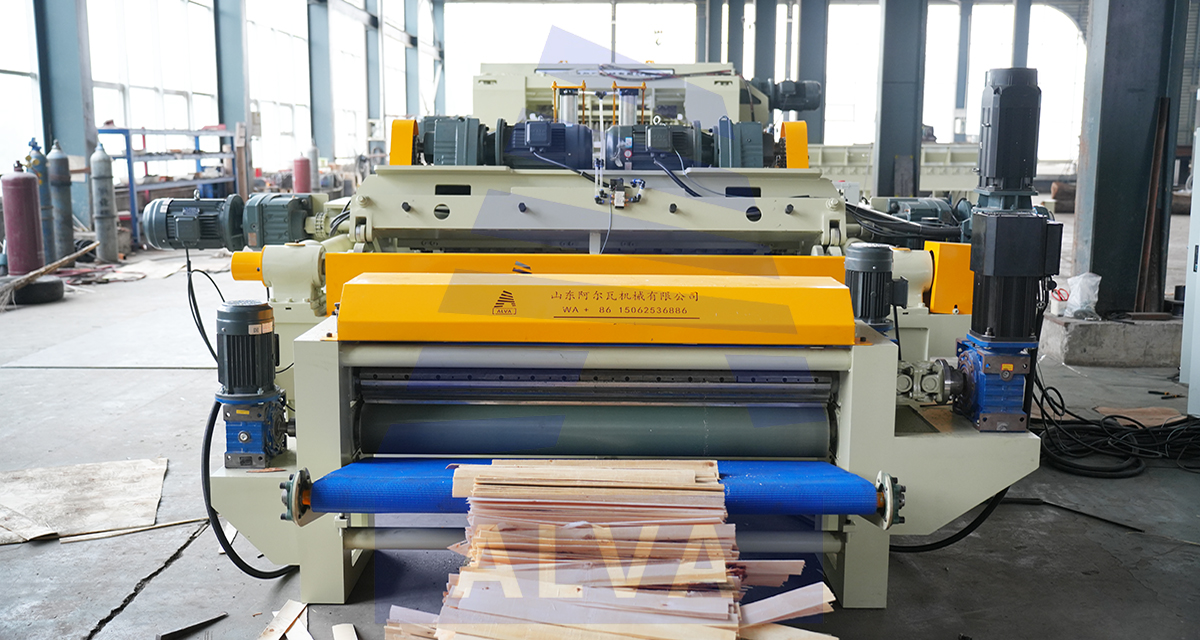
In the wood processing industry, rotary-cut veneer is an important raw material for plywood, packaging panels, furniture materials, and other wood products. As the global wood processing industry continues to develop toward more specialized, continuous, and automated production, veneer peeling equipment is also becoming increasingly specialized for different types and sizes of logs.
In addition to large log veneer peeling machines, small log veneer peeling machines have gradually attracted more attention from wood processing companies in international markets. In particular, European customers have shown increasing interest in equipment designed specifically for processing small-diameter logs, short log sections, and other small-sized wood materials.
For European wood processing companies, equipment selection is not based only on the purchase price of a machine. Customers also consider raw material utilization, veneer quality, production processes, equipment stability, production line integration, operation and maintenance, and long-term operating requirements.
The small log veneer peeling machine can be used to process small-diameter logs, short log sections, and other suitable wood materials, providing an additional processing option for companies looking to make better use of different types of raw materials.
Shandong Alva Machinery Group Co., Ltd. has long been engaged in the manufacturing and international supply of woodworking machinery and wood processing equipment. The company provides equipment and production line solutions covering log processing, veneer peeling, veneer drying, veneer handling, and stacking.
Why, then, does the small log veneer peeling machine attract attention from European customers? The reasons are closely related to the characteristics of European wood processing, raw material utilization, production methods, and the requirements placed on machinery for long-term operation.If you want to know the specific information, please click this link:https://www.alvamachinery.com/Wood-Strip-Peeling-Machine-pd543463248.html.
1. European Wood Processing Places Greater Emphasis on Raw Material Utilization
Wood is a natural material with considerable variation.
Different wood species, growing conditions, log diameters, and log lengths can result in different processing characteristics. Large logs are generally suitable for large-scale veneer peeling equipment, while small-diameter logs, short log sections, and certain pre-processed wood materials require equipment that better matches their dimensions.
If all logs are processed using the same large-scale production method, some smaller wood materials may require additional processing steps or may not be suitable for the main production line.
The small log veneer peeling machine provides another processing option for these materials.
By processing suitable small-sized wood materials through dedicated veneer peeling equipment, companies can include more types of raw materials in their veneer production process. For wood processing companies that pay close attention to comprehensive raw material utilization, this can help improve the flexibility of their production system.
Many European wood processing companies have established systems for raw material classification and utilization. Therefore, machinery needs to match not only production requirements but also the company's existing raw material management and processing methods.
This is one of the reasons why small log veneer peeling machines have attracted attention in the European market.If you want to know the specific information, please click this link:https://www.alvamachinery.com/Wood-Strip-Peeling-Machine-pd543463248.html.
2. The Small Log Veneer Peeling Machine Is Designed for Various Small-Sized Wood Materials
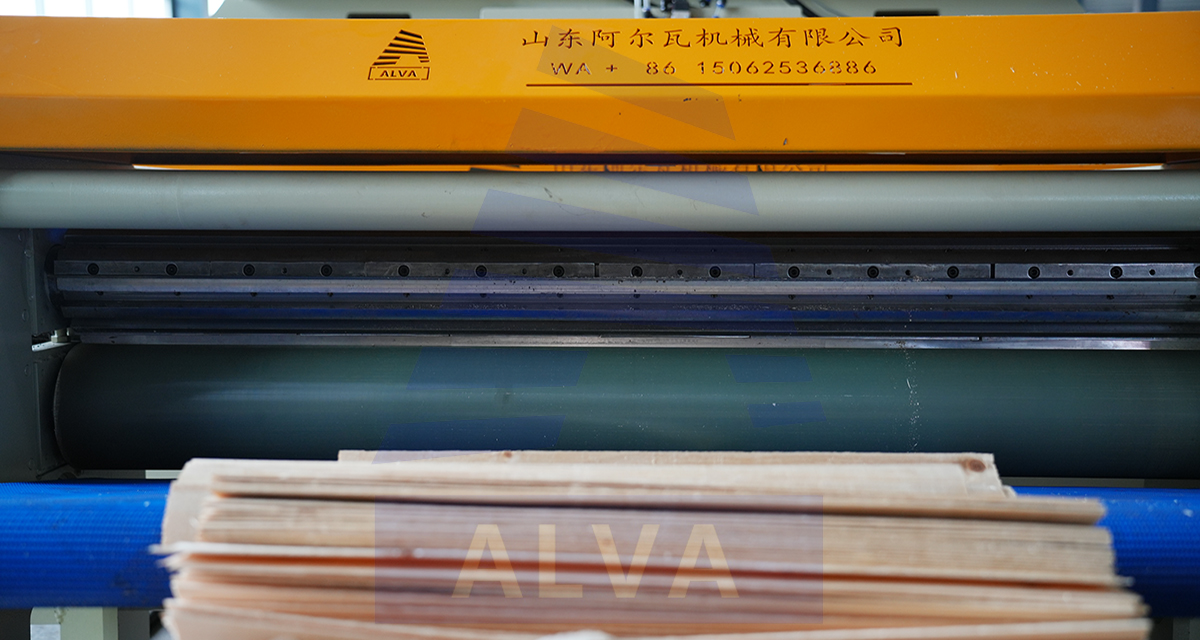
One of the main characteristics of a small log veneer peeling machine is its suitability for processing small-diameter logs and short wood sections.
In actual production, not all logs have the same diameter and length. Some logs are cut, trimmed, classified, or processed during the earlier stages of production, resulting in wood sections with different dimensions.
These materials may require a suitable processing method before entering the veneer production process.
The small log veneer peeling machine can be designed around the processing requirements of these materials, providing a practical option for small-sized log processing.
For European customers, this flexibility can be useful.
Companies can classify raw materials according to their dimensions and processing characteristics and then send different types of materials to suitable machines. Large logs can be processed by large-scale veneer peeling lines, while smaller wood materials can be processed by small log veneer peeling equipment.
This approach can make the overall production system more flexible and better matched to the raw materials available to the factory.
3. Improving the Processing Utilization of Small-Diameter Logs
Raw material utilization has always been an important consideration in wood processing.
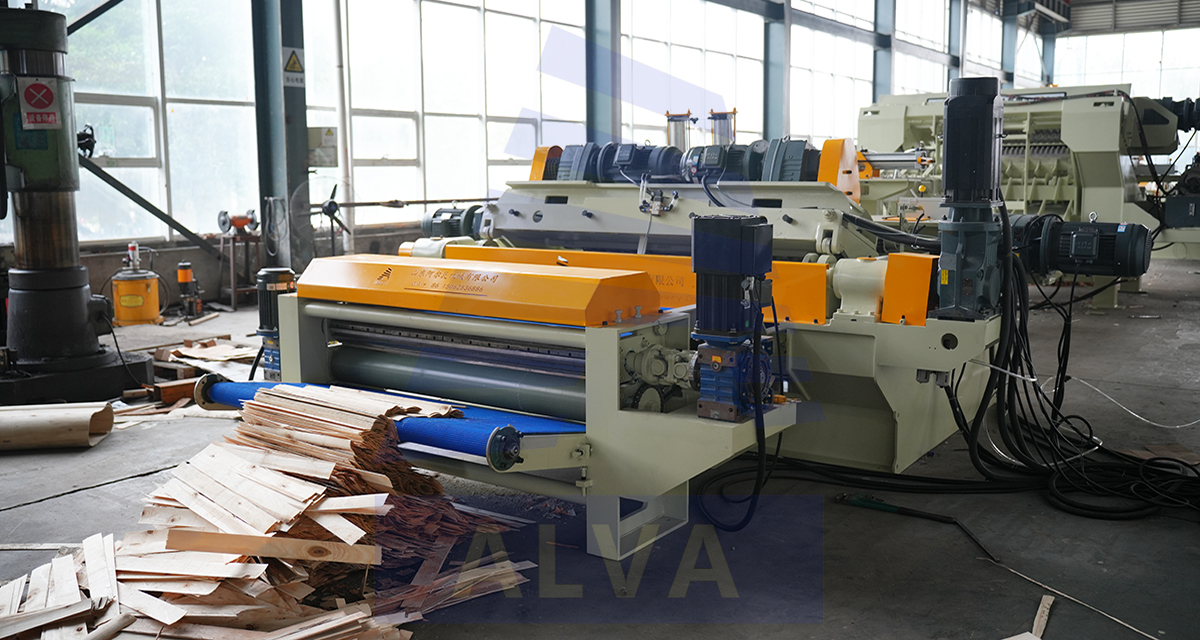
The basic principle of rotary veneer peeling is to rotate the log while moving a cutting knife relative to the log surface, producing continuous sheets of wood veneer.
For suitable wood materials, an appropriate peeling process can convert logs into continuous veneer.
For small-sized logs, using dedicated small log veneer peeling equipment provides another way to bring these materials into the veneer production process.
This does not mean that every small-sized log is suitable for rotary peeling, nor does a single machine solve every raw material utilization issue. Actual processing results depend on factors such as wood species, moisture condition, log quality, dimensions, knife condition, and operating processes.
However, from a production planning perspective, a small log veneer peeling machine gives manufacturers another equipment option for handling different types of raw materials.
For European companies seeking to improve the overall utilization of their wood resources, this can be an important practical consideration.If you want to know the specific information, please click this link:https://www.alvamachinery.com/Wood-Strip-Peeling-Machine-pd543463248.html.
4. Veneer Quality Is an Important Concern for European Customers
European wood processing companies generally pay close attention to product quality and processing consistency.
For rotary veneer production, a machine needs to do more than simply perform the peeling operation. The cutting knife, log positioning system, rotation mechanism, feeding system, and other components need to work together properly.
During veneer peeling, unstable log movement or an unsuitable knife condition may affect veneer surface quality and thickness consistency.
Therefore, the design of a small log veneer peeling machine needs to focus on stable peeling performance.
The machine structure, peeling mechanism, transmission system, knife system, and control system need to work together so that the log can move according to the intended processing procedure.
For European customers, the question is not simply whether a machine can peel veneer. They also want to understand whether the equipment can maintain a stable processing condition during continuous production.
This is an important consideration for machinery manufacturers.
5. Small Log Veneer Peeling Machines Can Be Integrated into Complete Production Lines
Modern wood processing is increasingly moving from individual machines toward coordinated production lines.
A veneer peeling machine does not normally operate independently. A complete veneer production process may include log storage, sawing, feeding, rounding, veneer peeling, veneer conveying, veneer stacking, drying, and further processing.
As a result, European customers are increasingly concerned about how individual machines can work together within an existing production system.
A small log veneer peeling machine can be used as an individual machine or integrated with other woodworking equipment according to the requirements of a specific project.
For example, in a small log veneer production process, processed wood sections can enter the feeding system, pass through log rounding and preparation processes, and then enter the veneer peeling machine.
The peeled veneer can subsequently be conveyed, organized, and stacked.
If the customer needs further processing such as veneer drying, gluing, lay-up, and hot pressing, additional equipment can be incorporated according to the final product requirements.
This modular approach allows European customers to plan their equipment according to their factory conditions and production needs.
6. The Machine Structure Is Designed to Match Small-Sized Log Processing
Different log sizes require different types of processing equipment.
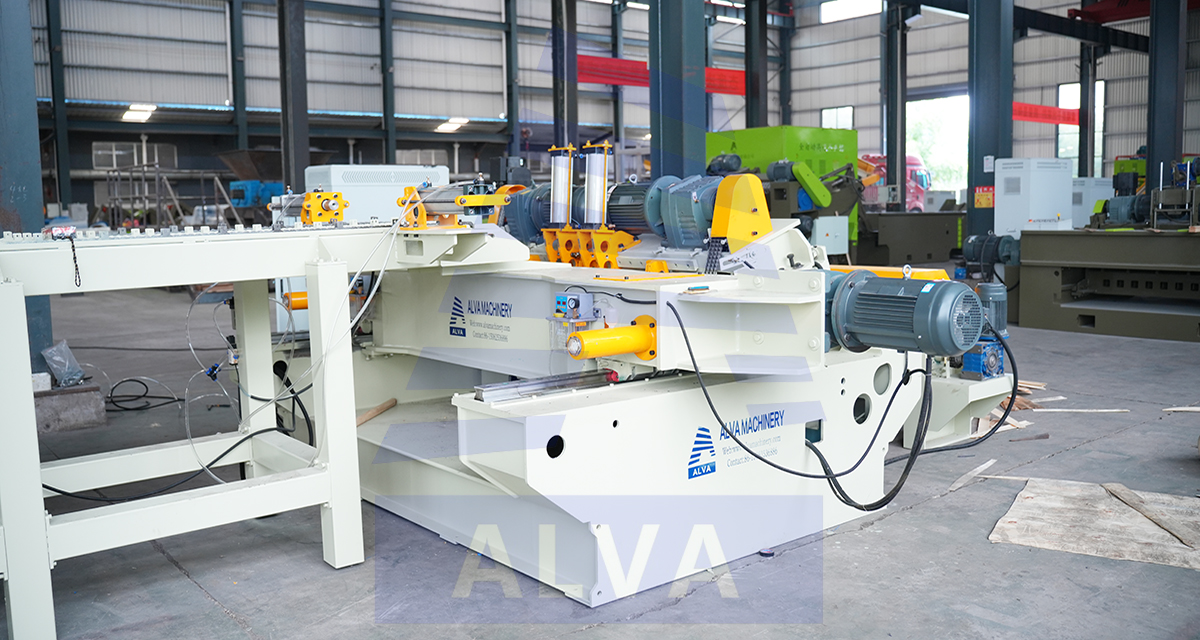
Large log veneer peeling machines are mainly designed for large logs, while small log veneer peeling machines are developed around the processing requirements of smaller wood materials.
This difference can be reflected in log positioning, rotation, feeding, and knife coordination.
For machinery manufacturers, designing a small log veneer peeling machine is not simply a matter of reducing the size of a large veneer peeling machine. The machine structure needs to be considered according to the actual processing object.
The equipment needs to maintain a reasonable relationship between log positioning, rotation, feeding, knife operation, and overall machine stability.
When manufacturing wood processing equipment, Alva Machinery also considers the customer's raw materials, product requirements, and production process when preparing equipment configurations.
For actual projects, equipment selection should be based on the customer's specific production conditions rather than on a single machine specification.If you want to know the specific information, please click this link:https://www.alvamachinery.com/Wood-Strip-Peeling-Machine-pd543463248.html.
7. European Customers Pay Attention to Long-Term Equipment Stability
European wood processing companies often consider long-term equipment operation and maintenance when purchasing machinery.
For a production company, machinery is expected to operate continuously after installation. Therefore, machine structure, maintenance requirements, component accessibility, control systems, and technical support can all be important considerations during the purchasing process.
The same applies to small log veneer peeling machines.
Stable machine operation depends on mechanical design, manufacturing quality, assembly, and proper maintenance.
Alva Machinery pays attention to machine structure, key component assembly, and overall machine operation during the manufacturing process. Equipment is also inspected and tested before delivery according to the requirements of the specific project.
For export projects, transportation, installation, and customer operating conditions also need to be considered.
These are practical factors that international woodworking machinery suppliers need to address.
8. Operation and Maintenance Are Also Important to European Customers
Modern woodworking machinery needs to consider not only production requirements but also ease of operation.
Operators need to understand the basic procedures for starting, stopping, adjusting, inspecting, and maintaining the equipment.
For export projects, operation manuals, technical documentation, installation guidance, and technical communication are also important.
Customers in different countries may have different languages, operating habits, and factory management methods. Therefore, machinery suppliers need to provide clear technical information and effective communication support.
When serving overseas customers, Alva Machinery provides technical documentation, operation instructions, and technical communication according to the requirements of each project.
For complete production lines, technical confirmation is also required to ensure proper connections between individual machines.
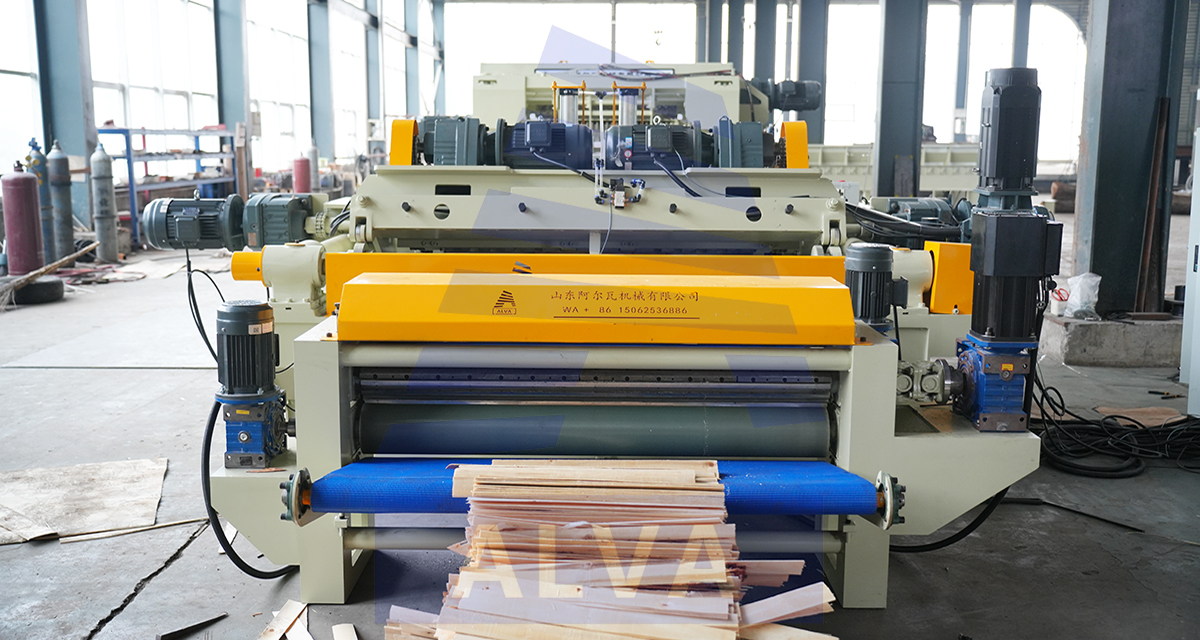
9. European Customers Pay Attention to Compatibility with Existing Production Systems
Many European wood processing companies are not building new factories from the beginning.
Some customers already have established wood processing equipment and only need additional machinery to complete or improve a specific production stage.
In such cases, equipment compatibility and production line integration become particularly important.
For example, a customer may already have log sawing equipment, conveyors, or veneer handling equipment. When adding a small log veneer peeling machine, the new equipment needs to be properly integrated into the existing production process.
Feeding methods, discharge direction, conveying systems, and control logic may all need to be discussed during the project planning stage.
Therefore, exporting machinery is not simply a matter of manufacturing a machine and shipping it. The equipment needs to be configured according to the customer's actual factory conditions.
10. Small Log Veneer Peeling Machines Can Support Diverse Production Requirements
European wood processing companies may manufacture a variety of wood products.
Different companies may produce plywood, packaging materials, furniture panels, construction materials, or other wood products.
Different products may have different requirements for veneer thickness, surface condition, dimensions, and subsequent processing.
Therefore, machinery needs to provide an appropriate level of process adaptability.
As a veneer production machine, the small log veneer peeling machine can be configured according to the customer's raw materials and product requirements.
In actual projects, the specific machine configuration needs to be determined according to the wood species, log dimensions, final veneer application, and downstream processing requirements.
This is also one of the reasons why Alva Machinery places importance on technical communication with overseas customers before equipment production.
11. From Individual Machines to Production Lines, Customers Need Complete Solutions
For woodworking machinery manufacturers, equipment supply is gradually developing from individual machine sales toward complete production solutions.
What customers ultimately need is a production process that works for their factory, rather than simply a single machine.
For example, although the small log veneer peeling machine is an important part of veneer production, the overall production process may still be affected if the feeding and log preparation equipment is not properly configured or if the downstream veneer conveying and stacking system is unsuitable.
Therefore, a complete small log veneer production project may include:
Log storage and conveying
Log sawing
Log feeding
Log rounding
Small log veneer peeling
Veneer conveying
Veneer sorting and handling
Veneer stacking
Veneer drying
Downstream plywood production equipment
The specific equipment configuration should be determined according to the customer's factory conditions, raw materials, and final products.
Alva Machinery can provide corresponding wood processing equipment combinations according to project requirements.
12. European Customers Pay Attention to China's Woodworking Machinery Manufacturing Capability
As China's woodworking machinery manufacturing industry continues to develop, Chinese woodworking equipment has entered an increasing number of international markets.
For European customers, selecting a Chinese machinery supplier involves more than evaluating the equipment itself. Manufacturing capability, quality control, technical support, export experience, and after-sales service are also important considerations.
Chinese machinery manufacturers therefore need to establish long-term cooperation through consistent manufacturing, clear technical documentation, and continuous international service.
Shandong Alva Machinery Group Co., Ltd., based in Linyi, Shandong, China, has been engaged in the manufacturing and international supply of woodworking machinery and wood processing equipment.
The company provides equipment covering log processing, veneer peeling, and related wood processing stages, offering both individual machines and production line solutions for overseas customers.
The small log veneer peeling machine is also an important product within Alva Machinery's wood processing equipment portfolio.
13. Equipment Solutions Should Start from the Customer's Actual Requirements
Every wood processing project has its own characteristics.
The customer's wood species, factory layout, product requirements, and production process can all be different. Therefore, the equipment solution needs to be configured according to the actual situation.
Before supplying a small log veneer peeling machine to a European customer, it is important to understand the customer's raw materials, wood species, processing dimensions, veneer application, production process, and existing equipment.
This information can then be used to determine the appropriate equipment configuration and production line connection method.
An equipment solution based on actual production conditions can reduce potential mismatches between machinery and the customer's factory.
For international projects, effective communication during the early stage is an important part of the entire cooperation process.
14. Equipment Quality Needs to Be Controlled Throughout the Manufacturing Process
The final operating condition of machinery is closely related to the manufacturing process.
From raw material and component sourcing to machining, welding, assembly, and final commissioning, each stage can influence the performance of the finished machine.
For veneer peeling equipment, the machining accuracy and assembly of key components are particularly important.
Before delivery, equipment needs to undergo appropriate inspections and operational testing to confirm that the main mechanisms operate according to the intended design.
Alva Machinery pays attention to manufacturing and assembly processes and conducts corresponding inspections before equipment leaves the factory.
For export equipment, transportation protection, fixing methods, and packaging also need to be considered so that the equipment can withstand international logistics conditions.
15. International Customers Consider More Than Equipment Price
In international machinery purchasing, price is only one factor in the overall purchasing process.
For production companies, machinery investment needs to be considered in relation to long-term operation.
Whether the machine is suitable for the available raw materials, whether it can be integrated into the production line, whether maintenance is convenient, whether technical documentation is complete, and whether the supplier can provide technical support can all affect the actual use of the equipment.
Therefore, when European customers evaluate a small log veneer peeling machine, they may also consider machine structure, processing suitability, production line integration, and service capabilities.
This is one reason why machinery manufacturers need to continuously improve their overall service capabilities.
16. Alva Small Log Veneer Peeling Machines and Cooperation with European Customers
Alva Machinery continues to develop international business and cooperate with wood processing companies in different countries.
In the European market, interest in small log veneer peeling equipment is related to practical requirements concerning raw material utilization, equipment flexibility, and production line integration.
For some customers, a small log veneer peeling machine can serve as an additional machine within an existing production system. For new projects, it can also be planned together with log processing, veneer handling, drying, and plywood production equipment.
During a project, Alva Machinery can provide support covering equipment communication, solution confirmation, manufacturing, commissioning, packaging, and transportation according to the customer's requirements.
For overseas customers, shipping equipment from a Chinese factory to the customer's factory is only one part of the cooperation. Technical communication and support during installation and operation are also important.
17. The Market Value of a Small Log Veneer Peeling Machine Comes from Practical Applications
The attention received by small log veneer peeling machines in the European market is not based on a single product feature. It is related to a specific type of wood processing requirement.
For companies that handle small-diameter logs, short wood sections, and other suitable small-sized materials, how to incorporate these materials into the production process is a practical issue.
The small log veneer peeling machine provides a dedicated processing option.
It can complement large log veneer peeling equipment and can also be independently configured or integrated into a complete production line according to the factory's requirements.
From the equipment perspective, it addresses the processing of small-sized logs. From the production line perspective, it can serve as an important stage for further raw material utilization and veneer production.
18. The Future Development of Wood Processing Equipment in Europe
As the wood processing industry continues to develop, future woodworking machinery will place greater emphasis on automation, equipment integration, production management, and resource utilization.
Veneer peeling equipment will also become increasingly integrated with conveying, inspection, drying, stacking, and downstream processing systems.
For small log veneer peeling equipment, future development will not focus only on the peeling function itself. Greater attention will also be given to how the machine connects with the overall production line.
Automatic feeding, control systems, veneer handling, and production management technologies may become increasingly important in the development of wood processing equipment.
For machinery manufacturers, it is important to understand actual customer requirements and combine mechanical manufacturing with practical production processes.
19. Alva Machinery Continues to Serve the Global Wood Processing Industry
As a Chinese woodworking machinery manufacturer, Shandong Alva Machinery Group Co., Ltd. continues to follow developments and changing requirements in the global wood processing industry.
From log processing equipment to veneer peeling machinery, and from individual machines to complete production lines, Alva Machinery continues to develop its product portfolio according to the requirements of different markets and customers.
As equipment designed for small-sized log processing, the small log veneer peeling machine also reflects the increasing specialization of woodworking machinery.
The attention it receives from European customers comes primarily from practical production requirements.
For machinery manufacturers, the key is to understand what type of raw materials customers need to process, what products they intend to manufacture, and how the equipment needs to fit into the complete production process.
Only by starting from actual production requirements can machinery provide practical value to customers.If you want to know the specific information, please click this link:https://www.alvamachinery.com/Wood-Strip-Peeling-Machine-pd543463248.html.
20. Conclusion
The attention received by small log veneer peeling machines among European customers is closely related to the European wood processing industry's focus on raw material utilization, production processes, equipment stability, and production line integration.
For small-diameter logs, short wood sections, and other suitable small-sized materials, dedicated veneer peeling equipment provides a processing method that is better matched to their characteristics.
At the same time, the small log veneer peeling machine does not operate in isolation. It can be integrated with log sawing, feeding, rounding, veneer conveying, stacking, drying, and plywood production equipment to form a complete wood processing workflow according to the customer's requirements.
Shandong Alva Machinery Group Co., Ltd. will continue to develop veneer peeling equipment and related woodworking machinery based on practical requirements in the wood processing industry, providing equipment manufacturing, production line configuration, and technical support for customers in China and international markets.
From a small log section to a sheet of rotary-cut veneer, and from an individual machine to a complete production line, the value of woodworking machinery is ultimately reflected in a stable, practical, and well-organized production process.
Alva Machinery will continue to focus on manufacturing and customer requirements, providing woodworking machinery and wood processing solutions for customers in the global wood processing industry.
Shandong Alva Machinery Group Co., Ltd.
ALVA MACHINERY
Woodworking Machinery Made in China, Serving the Global Wood Processing Industry.

 English
 العربية
 Français
 Русский
 Español
 Português
 Deutsch
 italiano
 日本語
日本語 한국어
한국어 Nederlands
 Tiếng Việt
 ไทย
ไทย Polski
 Türkçe
 አማርኛ
አማርኛ ພາສາລາວ
 ភាសាខ្មែរ
 Bahasa Melayu
 ဗမာစာ
ဗမာစာ தமிழ்
தமிழ் Filipino
 Bahasa Indonesia
 magyar
 Română
 Čeština
 Монгол
 қазақ
қазақ Српски
 हिन्दी
 فارسی
فارسی Kiswahili
 Slovenčina
 Slovenščina
 Norsk
Norsk Svenska
 українська
 Ελληνικά
 Suomi
Suomi Հայերեն
 עברית
עברית Latine
 Dansk
Dansk اردو
اردو Shqip
Shqip বাংলা
বাংলা Afrikaans
 Māori
Māori অসমীয়া
 Беларуская мова
 Català


