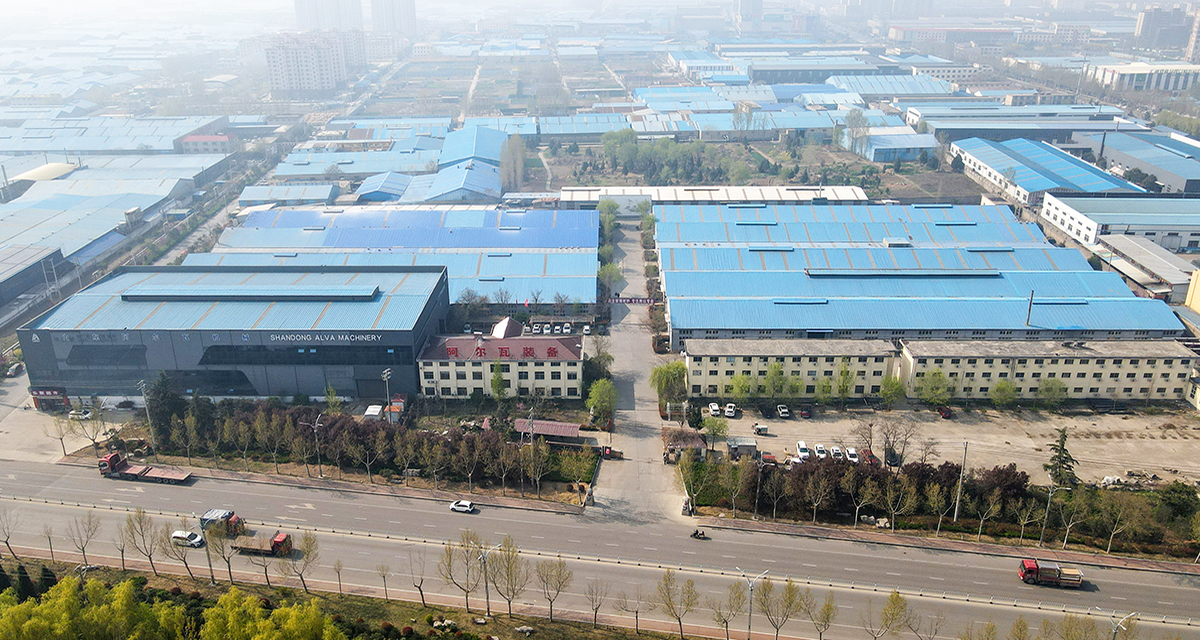
October 1 is China’s National Day, a day that marks an important moment in the history of the country and provides an opportunity to reflect on the development of Chinese society, industry, and manufacturing.
For manufacturing enterprises, National Day is not only a national celebration. It is also an opportunity to look back at the development of China's manufacturing industry and consider the responsibilities of Chinese manufacturers in the global market.
The development of modern manufacturing has become closely connected with technological progress, industrial organization, equipment manufacturing, and international cooperation. From traditional production methods to increasingly automated production systems, China's manufacturing industry has experienced continuous transformation.
The woodworking machinery industry is one part of this development.
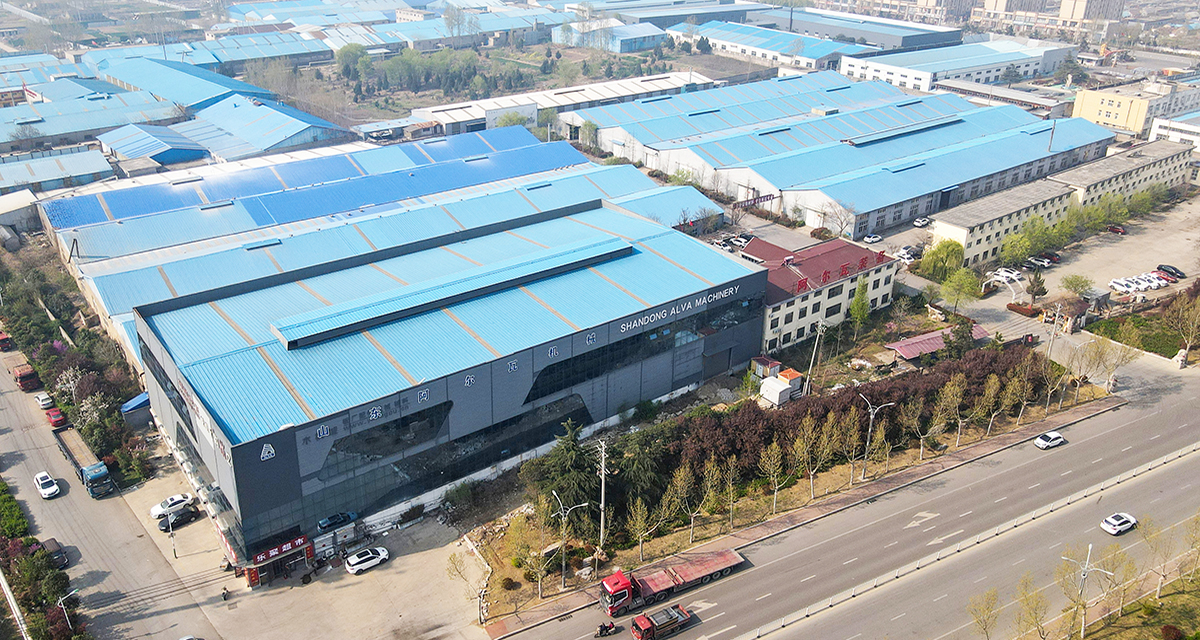
As a manufacturer specializing in woodworking machinery, Shandong Alva Machinery Group Co., Ltd. has been engaged in the development and production of wood processing equipment and continues to serve customers in China and international markets.
On this National Day, Alva Machinery would like to extend its greetings to customers, partners, and people working in the global woodworking industry.
At the same time, we would like to use this occasion to look at the relationship between Chinese manufacturing, woodworking machinery, and the global wood processing industry.
National Day and the Development of Chinese Manufacturing
China's manufacturing industry has developed through continuous improvement in industrial production, engineering technology, supply chains, equipment manufacturing, and production management.
Manufacturing is not limited to the production of individual products. It involves a complete system that includes research and development, raw material processing, component manufacturing, assembly, testing, logistics, service, and continuous improvement.
The development of this system has created opportunities for many industries, including woodworking machinery.
Machinery manufacturing requires cooperation between different technical fields. Mechanical structures, transmission systems, electrical control, automation, processing technology, and production management all influence the performance of a machine.
The development of China's manufacturing sector has provided a broader industrial foundation for companies to improve these capabilities.
Today, Chinese machinery manufacturers are increasingly participating in international markets. Equipment manufactured in China can be found in different industries and regions around the world.
This development has also created new responsibilities.
When Chinese machinery enters an international market, the manufacturer is not only providing equipment. The manufacturer is also representing its production standards, technical capabilities, communication efficiency, and service approach.
For this reason, international development requires continuous attention to product quality, technical communication, manufacturing processes, and customer requirements.
The Development of the Woodworking Machinery Industry
Woodworking machinery is closely connected with the development of the wood processing industry.
Wood is used in a wide range of applications, including construction materials, furniture, packaging, plywood, veneer, panels, flooring, and other wood products.
As the demand for wood products changes, the processing methods and machinery used by manufacturers also continue to develop.
Traditional wood processing often relies on manual operations and independent machines. Modern production increasingly focuses on continuous processing, automation, production-line integration, and efficient material handling.
This change can be seen across many areas of wood processing.
Log processing equipment can be connected with feeding systems, rounding machines, veneer peeling machines, drying equipment, stacking systems, crushing equipment, and other machinery to form complete production lines.
The development of production-line solutions allows manufacturers to consider the entire processing process rather than focusing only on a single machine.
For woodworking machinery manufacturers, this means that product development must consider not only the machine itself but also how it works together with other equipment.
From Individual Machines to Complete Production Lines
The development of woodworking machinery has gradually expanded from individual equipment toward integrated production systems.
A single machine may perform one specific processing operation, but a complete production line can connect multiple processes.
For example, a log veneer production line may include log storage, log feeding, sawing, rounding, veneer peeling, cutting, stacking, and other processes.
Each machine has its own function, while the production line connects these functions into a continuous workflow.
This approach can help customers organize production more systematically and reduce unnecessary manual handling between different stages.
At Alva Machinery, production-line design is based on the actual requirements of the customer.
Different customers may use different types of wood, have different production objectives, and require different finished products.
Therefore, a suitable production line needs to consider raw materials, processing methods, equipment arrangement, product handling, and future production requirements.
The goal is not simply to combine machines, but to establish a practical processing system.
Alva Machinery and Wood Processing Equipment
Shandong Alva Machinery Group Co., Ltd. focuses on the development and manufacturing of woodworking and wood processing machinery.
The company's product range covers equipment used in different stages of wood processing, including log processing, veneer production, wood crushing, material handling, drying, and related production-line solutions.
Among these products, veneer processing equipment is an important part of the company's woodworking machinery business.
Veneer peeling is an important process in the production of plywood and other wood-based products. The quality and continuity of this process can influence subsequent production stages.
Alva Machinery provides equipment and production-line solutions designed to connect log preparation, feeding, rounding, veneer peeling, cutting, and stacking processes.
Through integrated equipment configuration, customers can organize different stages of production into a complete processing workflow.
The same principle applies to other areas of wood processing.
Whether the customer needs an individual machine or a complete production line, the starting point is the actual production requirement.
Manufacturing Requires Attention to Every Process
A machine is the result of multiple manufacturing processes.
Before an equipment system reaches the customer's factory, it goes through design, material preparation, component processing, welding, assembly, electrical installation, inspection, testing, packaging, and transportation.
Each process contributes to the final product.
For this reason, manufacturing management is an important part of machinery production.
At Alva Machinery, different departments work together during the production of woodworking machinery.
Technical personnel are responsible for equipment design and production requirements. Manufacturing teams carry out mechanical processing and assembly. Electrical personnel complete control-system installation and related work. Quality management personnel participate in inspection and testing.
After equipment assembly, the machines are inspected before shipment.
For complete production lines, the relationship between individual machines is also considered.
Equipment needs to be positioned and connected according to the production process. Material flow, machine layout, operator access, maintenance requirements, and transportation conditions are all relevant to the final production-line arrangement.
This process requires cooperation between engineering, manufacturing, logistics, and service teams.
Chinese Woodworking Machinery Entering International Markets
The internationalization of Chinese manufacturing has created new opportunities for woodworking machinery manufacturers.
Wood processing enterprises in Europe, Asia, Africa, the Middle East, North America, South America, and other regions have different production conditions and market requirements.
For machinery manufacturers, international business therefore requires more than product supply.
Technical communication is an important part of international cooperation.
Before equipment production begins, manufacturers need to understand the customer's raw materials, processing requirements, finished products, factory conditions, production flow, and other relevant information.
Based on this information, equipment configuration and production-line planning can be developed.
After manufacturing is completed, international transportation and installation requirements also need to be considered.
For overseas projects, equipment may travel a long distance before reaching the customer's factory.
Packaging, container loading, equipment protection, transportation arrangements, installation guidance, and technical communication therefore become important parts of the delivery process.
Alva Machinery continues to develop its international business through communication with customers and cooperation with partners in different markets.
Quality and Service in International Cooperation
In international machinery cooperation, product quality and service are closely connected.
A machine must not only be manufactured according to production requirements, but also be supported throughout the delivery and installation process.
For customers purchasing complete production lines, the relationship between different machines is particularly important.
If the equipment is properly coordinated, the customer can organize production more efficiently. If there are gaps between different stages, the overall production process may be affected.
Therefore, Alva Machinery pays attention to equipment integration during production-line projects.
Technical communication continues throughout the project, from initial planning to manufacturing and shipment.
After the equipment reaches the customer's factory, installation and commissioning may require further communication between the customer and the manufacturer.
This process reflects the importance of long-term service in machinery manufacturing.
A successful international project is not limited to completing a sales transaction. It involves communication, manufacturing, delivery, installation, operation, and future cooperation.
Technology and Practical Manufacturing
Technological development is an important part of modern manufacturing, but technology must ultimately serve actual production.
For woodworking machinery, practical application is particularly important.
A machine may have a complex structure, but if it does not match the customer's raw materials or production process, it may not provide the expected production value.
Therefore, equipment development needs to remain connected with actual industrial requirements.
At Alva Machinery, product development is based on practical wood processing applications.
The company pays attention to machine structure, processing flow, equipment connection, operation, maintenance, and production-line integration.
This approach is intended to provide customers with equipment that can be incorporated into their actual production environment.
For international customers, understanding local production requirements is equally important.
Different markets may have different expectations regarding equipment configuration, electrical systems, factory layout, operation methods, and service communication.
Continuous communication helps manufacturers better understand these requirements and improve their ability to provide suitable solutions.
The Responsibility of Chinese Machinery Manufacturers
As Chinese manufacturing continues to participate in global markets, machinery manufacturers also face greater responsibilities.
Manufacturing responsibility begins with product quality.
A machine that is delivered to a customer may operate for many years and become an important part of the customer's production system.
Therefore, manufacturers need to pay attention to the details of production, assembly, testing, packaging, and delivery.
Responsibility also includes communication.
International customers may have different languages, technical backgrounds, and production environments. Clear communication helps reduce misunderstandings and improves project coordination.
Service is another important part of responsibility.
Woodworking machinery is not a simple consumer product. It is industrial equipment that may be integrated into a complete production process.
Customers may require technical information, installation guidance, operation instructions, maintenance support, or spare-parts assistance during the equipment life cycle.
For this reason, machinery manufacturers need to establish a service system that can support customers beyond the initial delivery.
Alva Machinery: Manufacturing in Shandong, Serving Global Customers
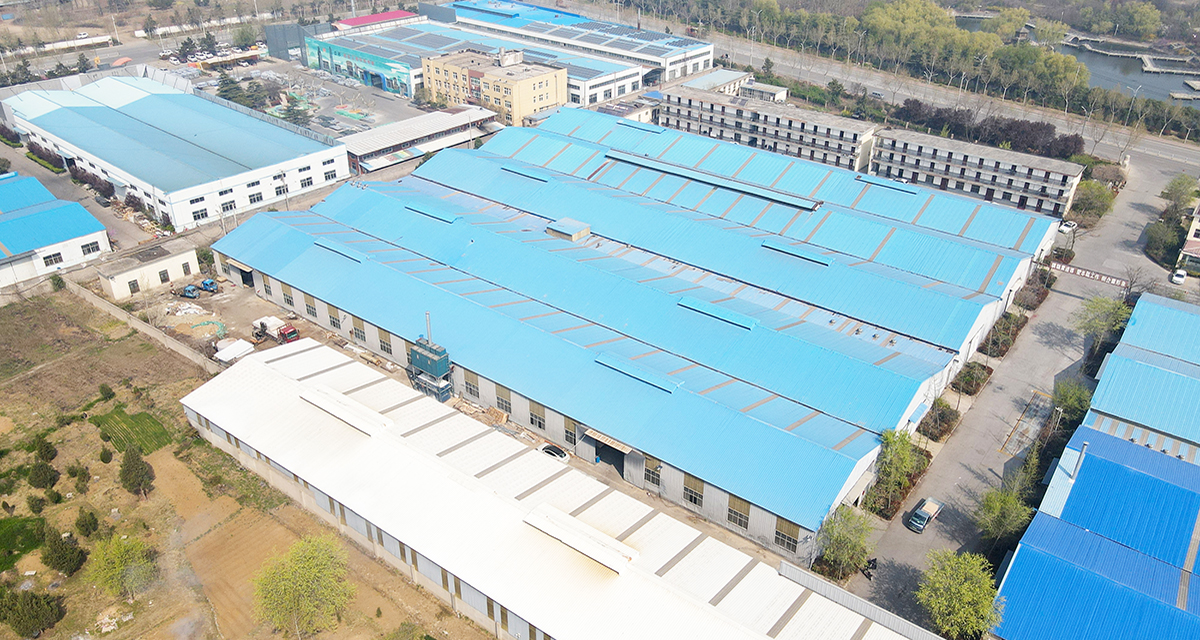
Shandong is an important manufacturing region in China, with a broad industrial foundation and a developed machinery manufacturing sector.
Located in this manufacturing environment, Shandong Alva Machinery Group continues to focus on woodworking machinery and related equipment.
The company combines manufacturing experience with customer requirements to develop equipment and production-line solutions for the wood processing industry.
From individual machines to complete production systems, Alva Machinery continues to improve its manufacturing process and technical capabilities.
The company's international business also provides opportunities to communicate with customers from different regions and understand the development of the global wood processing market.
Each international order provides practical experience.
Each production line provides an opportunity to improve.
Each customer project creates a new connection between Chinese manufacturing and the international woodworking industry.
This process is ongoing.
Looking Toward the Future of Woodworking Machinery
The future development of the woodworking machinery industry will continue to be influenced by changes in the wood processing market.
Automation, production-line integration, material handling, energy management, equipment maintenance, and production efficiency will remain important considerations for manufacturers.
At the same time, customers are likely to place greater emphasis on complete solutions rather than individual machines.
This means machinery manufacturers will need to understand not only equipment manufacturing but also the production processes in which their machines are used.
For Alva Machinery, this represents an ongoing direction for product development.
The company will continue to focus on woodworking machinery and wood processing equipment, improve production-line integration, and develop solutions according to customer requirements.
The objective is to provide practical machinery for different wood processing applications while continuing to improve manufacturing and service capabilities.
National Day: Looking Back and Moving Forward
China's National Day provides an opportunity to look back at the development of the country and its manufacturing industry.
For Chinese manufacturers, this development is reflected in factories, production lines, machinery, engineering projects, and international cooperation.
The progress of manufacturing is built through continuous work.
It comes from improvements in production processes, technical development, quality management, worker experience, engineering knowledge, and cooperation between different industries.
The woodworking machinery industry is part of this broader manufacturing system.
Every log saw, feeding machine, rounding machine, veneer peeling machine, drying machine, crushing machine, stacking machine, and complete production line represents the practical application of manufacturing technology.
Behind every machine are engineers, technicians, production workers, quality teams, logistics personnel, and service teams.
Together, they form the manufacturing process that allows equipment to move from design drawings to production workshops and finally to customer factories.
A New Stage for Chinese Manufacturing
Today, Chinese manufacturing is connected with customers and industries around the world.
For woodworking machinery manufacturers, international cooperation provides opportunities to participate in the development of the global wood processing industry.
At the same time, it creates higher requirements for product quality, technical communication, manufacturing management, and customer service.
Alva Machinery will continue to follow this path.
The company will focus on woodworking machinery manufacturing, continue to improve production-line solutions, and strengthen communication with customers in international markets.
From Shandong to the global market, the journey of Chinese manufacturing continues through practical cooperation.
Every shipment is part of this journey.
Every production line is a connection between manufacturing and application.
Every cooperation is an opportunity to understand the market and improve the product.
Celebrating National Day and Building the Future Together
As October 1 approaches, Shandong Alva Machinery Group would like to extend its National Day greetings to customers, partners, employees, and friends in the woodworking machinery industry around the world.
National Day is a moment of celebration, but it is also a moment to look toward the future.
For Alva Machinery, the future means continuing to manufacture woodworking machinery, improving production-line solutions, understanding customer requirements, and serving the international wood processing industry.
The company will continue to build on its manufacturing foundation in Shandong and develop cooperation with customers in different markets.
Chinese manufacturing is continuing to develop, and the global woodworking industry is also changing.
Alva Machinery will continue to participate in this process through machinery manufacturing, technical cooperation, and customer service.
On this National Day, we look back on the development of Chinese manufacturing and look forward to the continued development of the woodworking machinery industry.
Happy National Day of the People's Republic of China.
Shandong Alva Machinery Group Co., Ltd.
Manufacturing Woodworking Machinery in China, Serving Wood Processing Industries Worldwide.

 English
 العربية
 Français
 Русский
 Español
 Português
 Deutsch
 italiano
 日本語
日本語 한국어
한국어 Nederlands
 Tiếng Việt
 ไทย
ไทย Polski
 Türkçe
 አማርኛ
አማርኛ ພາສາລາວ
 ភាសាខ្មែរ
 Bahasa Melayu
 ဗမာစာ
ဗမာစာ தமிழ்
தமிழ் Filipino
 Bahasa Indonesia
 magyar
 Română
 Čeština
 Монгол
 қазақ
қазақ Српски
 हिन्दी
 فارسی
فارسی Kiswahili
 Slovenčina
 Slovenščina
 Norsk
Norsk Svenska
 українська
 Ελληνικά
 Suomi
Suomi Հայերեն
 עברית
עברית Latine
 Dansk
Dansk اردو
اردو Shqip
Shqip বাংলা
বাংলা Afrikaans
 Māori
Māori অসমীয়া
 Беларуская мова
 Català


