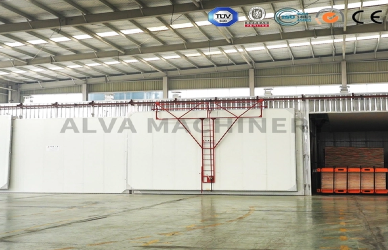
A drying machine is an essential piece of equipment used to remove moisture from various materials through the application of heat and airflow. These machines play a crucial role in industries such as food processing, textiles, pharmaceuticals, and agriculture, where efficient moisture removal is necessary for preservation, quality control, and enhanced shelf life. The drying process not only speeds up production but also ensures that products are dried evenly, maintaining their integrity and preventing spoilage. By using heat to evaporate water or other liquids from materials, drying machines help optimize processes and improve the overall quality of the end products. Whether in large-scale industrial operations or at a domestic level, drying machines are indispensable for efficient and consistent drying across multiple sectors.
Types of Drying Machines
Drying machines come in various forms, designed to meet the needs of different industries and applications. They can be categorized into industrial and home-use machines, each serving distinct purposes.
1.Industrial Drying Machines
Industrial drying machines are designed for large-scale production environments where efficiency and consistency are crucial. These machines are commonly used in industries such as food processing, textiles, pharmaceuticals, and agriculture. Some common types of industrial dryers include:
Heat Pump Dryers: These dryers use a refrigeration system to remove moisture from materials. They are energy-efficient and ideal for drying delicate materials without overheating them.
Rotary Dryers: These are large, cylindrical drums that rotate, allowing hot air to flow through the material and gradually remove moisture. They are widely used for drying bulk materials like grains, sand, and chemicals.
Flash Dryers: These machines use a stream of hot air to rapidly dry small particles or powders. They are typically used in industries like pharmaceuticals and chemicals, where fast drying times are essential.
Spray Dryers: Used primarily in the food and pharmaceutical industries, these machines spray liquid materials into hot air to form dry powder instantly.
2.Home Drying Machines
Home drying machines are typically smaller, designed for personal use. They are mainly used for drying clothes and other household items, making them convenient for daily tasks. The most common types include:
Clothes Dryers: These machines, which can be electric or gas-powered, use heated air to remove moisture from clothes after washing.
Food Dehydrators: For home use in food preservation, these machines apply low heat and airflow to dry fruits, vegetables, and meats, preserving them for long-term storage.
Working Principles of Drying Machines
Drying machines operate based on a combination of heat, airflow, and moisture control to effectively remove moisture from materials. The working principles of these machines involve three key processes: the application of heat, the management of airflow, and the control of temperature and humidity.
1.Heating Process
The primary method used in drying machines to remove moisture is through the application of heat. Heat is applied to the material, which causes the moisture within it to evaporate. The heat can come from various sources, such as electrical heating elements, gas burners, or steam systems. As the material absorbs heat, the water or moisture within it changes from a liquid to a vapor, which then needs to be carried away to complete the drying process.
2.Airflow Mechanism
Airflow plays a crucial role in the drying process by carrying the evaporated moisture away from the material. A continuous flow of hot air is directed over the material being dried, which helps to maintain the necessary temperature for evaporation. This airflow ensures that the moisture-laden air is replaced by fresh, dry air, preventing the condensation of moisture back onto the material. Depending on the machine type, airflow can be forced (as in rotary dryers) or natural (as in some home drying machines).
3.Temperature and Humidity Control
For efficient drying, it is essential to maintain the correct temperature and humidity levels. Temperature control ensures that the drying process occurs at the optimal heat level, avoiding overheating or under-drying. Humidity control is equally important; if the drying environment becomes too humid, the moisture in the material cannot evaporate effectively, leading to inefficiencies. Drying machines often have sensors that continuously monitor and adjust both temperature and humidity, maintaining the conditions needed for consistent and efficient drying.
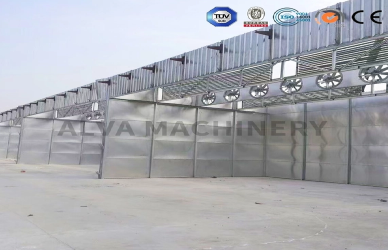
Components of a Drying Machine
A drying machine consists of several key components that work together to ensure the effective removal of moisture from materials. Each component plays a crucial role in the drying process, contributing to efficiency, consistency, and quality.
1.Heating Element
The heating element is the core component responsible for providing the necessary heat to dry the material. It typically uses electricity, gas, or steam to generate heat, which is then transferred to the material. The heat causes moisture within the material to evaporate, a critical step in the drying process. The heating element must be powerful enough to maintain the required temperature while avoiding overheating or under-heating the material.
2.Airflow System
The airflow system is responsible for ensuring the even distribution of air across the material being dried. By circulating hot air over the material, the airflow system accelerates the evaporation process and prevents moisture from re-condensing on the material. In industrial drying machines, this system typically includes fans, ducts, and vents designed to optimize airflow and maintain uniform drying conditions.
3.Control Panel
The control panel manages all the key drying parameters, including temperature, drying time, and humidity levels. It allows operators to set and monitor the conditions required for different materials. Some advanced control panels also feature programmable settings, enabling automatic adjustments based on the material's moisture content, improving efficiency and consistency. The control panel is typically user-friendly, providing a display of settings and status indicators for easy monitoring.
4.Sensors
Sensors are crucial for maintaining the precision and consistency of the drying process. Temperature sensors monitor the heat levels within the drying chamber, ensuring that the machine operates within the set range. Humidity sensors track the moisture content of the material, allowing the system to adjust drying times or temperature automatically. These sensors help achieve optimal results by maintaining a consistent environment and preventing issues like over-drying or under-drying.
Applications of Drying Machines
Drying machines are versatile tools used across various industries to remove moisture from materials, ensuring preservation, quality, and readiness for further processing or storage. Below are some key applications of drying machines in different sectors:
1.Food Industry
In the food industry, drying machines are essential for preserving fruits, vegetables, herbs, and other food products. Drying removes moisture, which helps prevent microbial growth, spoilage, and deterioration, thus extending shelf life. Common products dried using these machines include:
Fruits: Apples, bananas, and berries are commonly dried for use as snacks or in recipes.
Vegetables: Carrots, peas, and tomatoes are dried for long-term storage and convenience.
Herbs and spices: Drying preserves the flavor and aroma of herbs like basil, parsley, and thyme.
2.Textile Industry
In the textile industry, drying machines are used to dry fabrics and garments after washing or dyeing. The drying process helps maintain the texture and color of the fabric while ensuring that it is ready for further processing or distribution. Key uses include:
Fabric drying: After washing, textiles are dried to remove moisture before being cut, sewn, or finished.
Garment drying: After dyeing or printing, clothes and garments are dried to set colors and ensure uniform moisture content.
3.Pharmaceuticals
Drying machines play a crucial role in the pharmaceutical industry, where they are used to dry medicinal products and powders. Drying ensures that active ingredients are preserved, prevents microbial contamination, and ensures that products meet safety standards. Applications include:
Powder drying: Active pharmaceutical ingredients (APIs) are often dried to create powders that are used in tablets, capsules, or other forms of medicine.
Herbal products: Drying herbal extracts and other natural substances for use in medicines.
4.Agriculture
In agriculture, drying machines are vital for drying grains and crops to prepare them for storage. By removing excess moisture, drying helps prevent spoilage, mold growth, and pest infestations, ensuring that crops remain viable for longer periods. Common agricultural applications include:
Grain drying: Crops like wheat, rice, and corn are dried after harvest to ensure they can be stored without spoiling.
Herb and seed drying: Agricultural products like seeds and herbs are dried to preserve their quality for future planting or use.
FAQ (Frequently Asked Questions)
1.What are the different types of drying machines available?
Drying machines come in various forms, including rotary dryers, heat pump dryers, and flash dryers, each suited for specific materials and applications.
2.How long does the drying process take in an industrial drying machine?
The drying time varies depending on the material being dried, the moisture content, and the drying machine's capacity. It can range from a few minutes to several hours.
3.Can a drying machine be used for both wet and dry materials?
Some drying machines can handle both wet and dry materials, but others are designed specifically for one type. It's essential to check the machine specifications for suitability.
4.How do I ensure my drying machine is operating efficiently?
Regular maintenance, cleaning the filters, ensuring proper airflow, and monitoring temperature and humidity levels will help maintain the machine’s efficiency.
Conclusion
In summary, drying machines are indispensable tools across a wide range of industries, from food processing to textiles, pharmaceuticals, and agriculture. These machines play a vital role in removing moisture from materials, ensuring their preservation, improving quality, and enhancing shelf life. By using heat, airflow, and precise temperature and humidity control, drying machines efficiently prepare materials for storage, further processing, or distribution. Whether it’s drying fruits and vegetables for preservation, fabrics after washing or dyeing, medicinal products in pharmaceuticals, or grains for safe storage, these machines ensure consistency and efficiency, making them an essential part of modern industrial operations.

 English
 العربية
 Français
 Русский
 Español
 Português
 Deutsch
 italiano
 日本語
日本語 한국어
한국어 Nederlands
 Tiếng Việt
 ไทย
ไทย Polski
 Türkçe
 አማርኛ
አማርኛ ພາສາລາວ
 ភាសាខ្មែរ
 Bahasa Melayu
 ဗမာစာ
ဗမာစာ தமிழ்
தமிழ் Filipino
 Bahasa Indonesia
 magyar
 Română
 Čeština
 Монгол
 қазақ
қазақ Српски
 हिन्दी
 فارسی
فارسی Kiswahili
 Slovenčina
 Slovenščina
 Norsk
Norsk Svenska
 українська
 Ελληνικά
 Suomi
Suomi Հայերեն
 עברית
עברית Latine
 Dansk
Dansk اردو
اردو Shqip
Shqip বাংলা
বাংলা Afrikaans
 Māori
Māori অসমীয়া
 Беларуская мова
 Català


