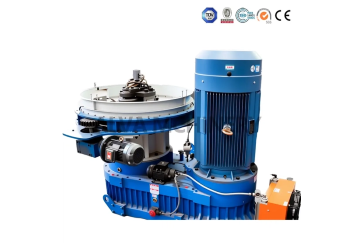
As the world continues to face growing concerns over climate change and the depletion of non-renewable energy sources, the need for sustainable and renewable alternatives has never been greater. One such solution is biomass energy, which harnesses the power of organic materials like wood, agricultural waste, and other organic residues to generate clean energy. At the heart of biomass energy production lies Biomass Pellet Equipment, which plays a pivotal role in converting these materials into high-quality, energy-efficient fuel.
Biomass Pellet Equipment has become an essential tool for businesses looking to produce biomass pellets for heating, power generation, and industrial applications. The equipment is designed to compress biomass materials into small, uniform pellets that burn efficiently and offer high energy output. This process not only reduces waste but also ensures that the biomass fuel produced is of the highest quality, making it suitable for a variety of energy applications.
In this article, we will explore how Biomass Pellet Equipment contributes to improving both fuel efficiency and the quality of the pellets produced. We will discuss the technological advancements that have made modern biomass pellet machines more efficient, the factors that influence pellet quality, and how businesses can benefit from investing in high-performance biomass pellet equipment. Furthermore, we’ll highlight how Alva Machinery Co., Ltd. offers reliable, state-of-the-art solutions designed to optimize biomass pellet production, helping businesses achieve better fuel efficiency and pellet quality.
The Role of Biomass Pellet Equipment in Fuel Efficiency
Biomass Pellet Equipment is crucial for optimizing the production of biomass pellets, ensuring that the pellets produced are not only efficient in terms of energy output but also cost-effective for businesses. Pellet production requires specialized machinery that compresses raw biomass material—such as wood chips, sawdust, straw, and agricultural residues—into small cylindrical pellets. These pellets are then used as a cleaner and more efficient fuel alternative compared to traditional fossil fuels.
One of the primary benefits of using Biomass Pellet Equipment is its ability to improve fuel efficiency. High-efficiency machines are designed to process large quantities of biomass material with minimal energy consumption, which is essential for maximizing the output of high-quality pellets while keeping operational costs low. Let’s take a closer look at how this equipment improves fuel efficiency.
1. Optimized Compression and Pellet Formation
A key factor in fuel efficiency is the way biomass is compressed into pellets. Modern Biomass Pellet Equipment is designed to optimize the compression process, ensuring that each pellet is dense and uniform in size. The higher the density of the pellet, the more energy it can produce during combustion, making it a more efficient fuel source.
Additionally, the consistency of the pellets is crucial in ensuring that they burn evenly and completely. If the pellets are too loose or irregular in size, they will not burn efficiently, resulting in wasted energy and higher emissions. Advanced pellet mills are equipped with technology that ensures precise control over the pelletizing process, producing pellets with optimal density and uniformity for improved fuel efficiency.
2. Energy-Efficient Motors and Technology
Modern Biomass Pellet Equipment incorporates energy-efficient motors and systems that consume less power while maintaining high levels of performance. Energy-efficient machinery reduces electricity consumption, lowering operational costs for businesses. In addition, advancements in pellet mill technology, such as the use of variable frequency drives (VFDs), allow for more precise control over the speed and power of the machinery, further enhancing energy efficiency.
Furthermore, the incorporation of intelligent controls and automation in Biomass Pellet Equipment allows for better monitoring and adjustment of key parameters, such as temperature, moisture content, and pressure. This not only improves the pelletization process but also ensures that the equipment is operating at peak efficiency, minimizing energy waste.
3. Improved Heat Recovery Systems
In the biomass pellet production process, heat is generated through the compression and friction of materials. Modern Biomass Pellet Equipment is designed with heat recovery systems that capture excess heat produced during pelletizing. This recovered heat can be reused in the production process, helping to maintain the optimal temperature required for pellet formation and reducing the need for additional energy input.
By recovering and reusing heat, businesses can significantly improve the overall energy efficiency of their pellet production operation, reducing fuel consumption and improving the sustainability of the process.
Ensuring High-Quality Pellets
While fuel efficiency is a critical consideration in biomass pellet production, the quality of the pellets is equally important. High-quality biomass pellets are more efficient in terms of energy output and produce fewer emissions during combustion. The better the quality of the pellets, the more reliable and consistent the fuel source will be. Several factors influence the quality of the pellets, and Biomass Pellet Equipment plays a crucial role in ensuring these factors are optimized.
1. Moisture Content Control
Moisture content is one of the most important factors affecting the quality of biomass pellets. If the moisture content is too high, the pellets will be weak, fragile, and prone to breaking apart. Conversely, pellets with low moisture content may not form properly or could be too dry, making them less efficient during combustion.
Modern Biomass Pellet Equipment includes advanced drying systems that remove excess moisture from the raw biomass before it is processed into pellets. These systems are designed to maintain the ideal moisture level for pellet formation, ensuring that the final product is both durable and energy-efficient.
2. Uniform Pellet Size and Shape
Consistency in pellet size and shape is essential for optimal combustion. Pellets that are too small or uneven in size will burn inconsistently, resulting in reduced efficiency and increased emissions. Biomass Pellet Equipment is designed to create pellets that are uniform in size and shape, which ensures even burning and higher energy output.
The precision of modern pellet mills ensures that each pellet has the same diameter and length, providing a consistent burn rate. This consistency not only enhances fuel efficiency but also reduces the amount of ash produced during combustion.
3. Material Compatibility
The raw materials used in biomass pellet production can vary greatly, depending on the type of biomass available. High-quality Biomass Pellet Equipment is designed to handle a wide range of feedstocks, including wood, agricultural residues, and other organic materials. This versatility is essential for businesses that want to process different types of biomass waste and still produce high-quality pellets.
By ensuring that the equipment is compatible with a variety of materials, businesses can maximize the use of available resources and produce a more consistent and reliable fuel source.
Environmental Benefits of Biomass Pellet Production
Beyond improving fuel efficiency and pellet quality, Biomass Pellet Equipment also offers significant environmental benefits. The use of biomass as a renewable energy source helps reduce the dependence on fossil fuels and contributes to lower carbon emissions. By turning waste materials into usable fuel, businesses can contribute to a circular economy that minimizes waste and promotes sustainability.
The combustion of biomass pellets produces significantly fewer harmful emissions compared to coal or oil. Biomass pellets are considered carbon-neutral, as the carbon dioxide released during combustion is balanced by the carbon absorbed by the plants during their growth cycle. This makes biomass a more sustainable and eco-friendly energy source.
Conclusion
Biomass Pellet Equipment plays a crucial role in improving fuel efficiency, pellet quality, and overall sustainability in biomass pellet production. With the growing demand for renewable energy and sustainable solutions, investing in high-quality pellet equipment is essential for businesses looking to optimize their production processes, reduce waste, and lower their carbon footprint. By choosing the right Biomass Pellet Equipment, companies can enhance the performance of their operations, produce high-quality fuel, and contribute to a greener, more sustainable future.
For businesses seeking reliable and high-performance Biomass Pellet Equipment, Alva Machinery Co., Ltd. offers a wide range of solutions designed to meet the unique needs of your production operation. With advanced technology and efficient designs, Alva Machinery’s equipment ensures optimal fuel efficiency, superior pellet quality, and long-term cost savings.
FAQ
Q: What are the main advantages of Biomass Pellet Equipment?
A: Biomass Pellet Equipment improves fuel efficiency, enhances pellet quality, reduces waste, and helps businesses produce renewable energy from organic materials.
Q: How does Biomass Pellet Equipment improve pellet quality?
A: It ensures uniform pellet size, optimizes moisture content, and provides consistent pressure and temperature control during pelletization.
Q: What types of materials can be processed with Biomass Pellet Equipment?
A: Biomass Pellet Equipment can process a variety of materials, including wood, agricultural residues, sawdust, straw, and other organic waste.
Q: How can I ensure the energy efficiency of my Biomass Pellet Equipment?
A: Choose equipment with energy-saving features like efficient motors, optimized heating systems, and heat recovery capabilities to reduce energy consumption.

 English
 العربية
 Français
 Русский
 Español
 Português
 Deutsch
 italiano
 日本語
日本語 한국어
한국어 Nederlands
 Tiếng Việt
 ไทย
ไทย Polski
 Türkçe
 አማርኛ
አማርኛ ພາສາລາວ
 ភាសាខ្មែរ
 Bahasa Melayu
 ဗမာစာ
ဗမာစာ தமிழ்
தமிழ் Filipino
 Bahasa Indonesia
 magyar
 Română
 Čeština
 Монгол
 қазақ
қазақ Српски
 हिन्दी
 فارسی
فارسی Kiswahili
 Slovenčina
 Slovenščina
 Norsk
Norsk Svenska
 українська
 Ελληνικά
 Suomi
Suomi Հայերեն
 עברית
עברית Latine
 Dansk
Dansk اردو
اردو Shqip
Shqip বাংলা
বাংলা Afrikaans
 Māori
Māori অসমীয়া
 Беларуская мова
 Català


