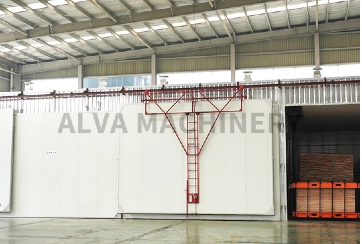
In the wood processing industry, drying kilns play a crucial role in transforming freshly cut timber into usable products. However, this essential process can be highly energy-intensive. As the demand for sustainable and cost-efficient manufacturing practices continues to rise, businesses are increasingly looking for ways to reduce energy consumption in drying kilns. Improving energy efficiency in drying kilns not only reduces operational costs but also minimizes the environmental impact of the wood processing industry.
In this article, we will explore the importance of energy efficiency in drying kilns, the factors that affect energy use, and practical tips for reducing energy consumption in your drying operations. By optimizing the energy use in your kilns, you can lower operational costs, improve the profitability of your business, and contribute to a more sustainable future.
Why Energy Efficiency Matters in Drying Kilns
Drying wood in a kiln involves applying heat to remove moisture from the wood, a process that requires a significant amount of energy. The typical energy sources for drying kilns include electricity, natural gas, steam, or biofuels. Because wood drying is an essential and ongoing process in wood processing, energy consumption can account for a large portion of overall operational costs. In fact, energy costs can represent up to 30-50% of the total costs of running a sawmill or wood processing facility.
Aside from cost considerations, energy consumption has a direct impact on the environment. Excessive energy use contributes to higher carbon emissions and environmental degradation. As industries face growing pressure to reduce their carbon footprints, optimizing energy use in drying kilns is a critical step toward achieving sustainability goals.
Key Factors Affecting Energy Consumption in Drying Kilns
To understand how to improve energy efficiency in drying kilns, it’s important to first identify the key factors that contribute to energy use. These factors include:
1. Wood Species and Moisture Content
Different types of wood have varying moisture content and drying requirements. Hardwoods, such as oak, generally require longer drying times and higher temperatures compared to softwoods like pine. Similarly, the moisture content of the wood when it enters the kiln directly influences the energy needed to dry it. The higher the initial moisture content, the more energy is needed to remove that moisture.
2. Kiln Design and Type
The design and type of drying kiln can have a significant impact on its energy efficiency. Conventional kilns (which rely on hot air or steam), vacuum kilns, and dehumidification kilns all have different energy requirements. For example, dehumidification kilns generally use less energy compared to conventional hot air kilns because they operate at lower temperatures and rely on moisture extraction rather than applying heat.
The size and configuration of the kiln also play a role in energy consumption. Larger kilns may require more energy to heat, but their design can make them more efficient when drying larger quantities of wood. Proper airflow within the kiln is also crucial for ensuring the even distribution of heat and moisture.
3. Temperature and Humidity Control
Kiln operators must carefully manage the temperature and humidity inside the kiln to optimize drying efficiency. If the temperature is too high, it can cause the wood to dry too quickly, leading to cracks or warping. On the other hand, if the temperature is too low, the drying process will be prolonged, increasing energy consumption.
Similarly, maintaining the proper level of humidity is critical. Too much moisture in the air inside the kiln can make it harder to dry the wood efficiently, while too little moisture can cause the wood to dry unevenly.
4. Ventilation and Air Circulation
Efficient ventilation and air circulation are key components in reducing energy consumption. Proper airflow allows for the even distribution of heat and moisture, preventing energy waste and ensuring the uniform drying of the wood. Poor airflow can result in areas of the kiln becoming over-heated, leading to energy inefficiencies and longer drying times.
5. Kiln Loading and Unloading
The manner in which wood is stacked inside the kiln affects the drying efficiency. Properly loading and unloading the kiln ensures that air can circulate freely between the wood pieces. Overloading or improperly stacking the wood can obstruct airflow, increase drying times, and lead to uneven drying, all of which contribute to energy inefficiencies.
Practical Tips for Reducing Energy Consumption in Drying Kilns
Improving energy efficiency in your drying kilns can lead to significant cost savings. Below are practical tips for reducing energy consumption without compromising the quality of the wood:
1. Optimize Kiln Loading and Stacking
Efficiently loading the kiln is the first step in reducing energy waste. Proper stacking of wood ensures that air can flow freely around each piece, allowing for even heat distribution. If wood is stacked too tightly or unevenly, the airflow will be obstructed, which will force the kiln to use more energy to achieve the desired drying levels.
Tip: Ensure that the wood is stacked loosely with enough space between each piece to allow for maximum air circulation. A well-organized kiln load will reduce drying time and energy consumption.
2. Monitor and Control Temperature and Humidity
Controlling temperature and humidity is critical for energy efficiency. It’s essential to maintain a consistent temperature that is appropriate for the wood species you’re drying. Too high a temperature can cause defects, and too low can increase drying time.
Tip: Use automated monitoring systems to track and adjust temperature and humidity levels in real time. This will help optimize the drying process and prevent unnecessary energy use.
3. Implement Heat Recovery Systems
One of the most effective ways to improve energy efficiency in drying kilns is to implement heat recovery systems. These systems capture the heat produced during the drying process and reuse it to preheat the incoming air or steam. By recycling heat, you can significantly reduce the amount of energy needed to operate the kiln.
Tip: Invest in heat exchangers and recirculation systems that recover waste heat from the exhaust air and use it to help preheat the incoming air, reducing the need for additional energy input.
4. Upgrade to More Energy-Efficient Kiln Types
If you’re currently using a conventional hot air kiln, upgrading to a dehumidification kiln or vacuum kiln may offer considerable energy savings. These kilns operate at lower temperatures and use more efficient methods for moisture removal, which helps reduce energy consumption.
Tip: If you handle high-value timber or have specific energy efficiency goals, consider switching to a dehumidification or vacuum kiln, which can reduce energy usage and speed up the drying process.
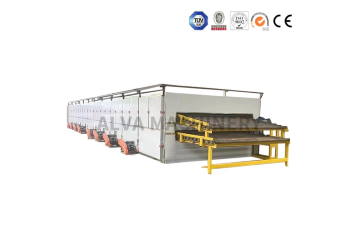
5. Use Energy-Efficient Equipment
The energy efficiency of the equipment used within the kiln can also impact energy consumption. Fans, heaters, and humidifiers are essential components of the drying process, but older equipment may be less efficient than newer, energy-efficient models.
Tip: Upgrade to modern variable-speed fans and energy-efficient heating systems that can be adjusted based on the current drying conditions, reducing energy use when full capacity is not needed.
6. Schedule Drying Cycles Efficiently
Strategic scheduling can also help reduce energy consumption. Instead of running kilns constantly, consider scheduling drying cycles during off-peak hours when energy costs are lower or when your kiln is at full capacity.
Tip: Schedule your drying cycles based on demand and energy usage patterns to avoid operating the kiln when energy prices are high or when it’s not necessary.
7. Regular Maintenance and Inspections
Proper maintenance is essential for keeping your drying kiln running efficiently. Over time, wear and tear can cause leaks, broken seals, and damaged components, which can lead to energy loss. Regular inspections and maintenance can help identify and resolve issues before they lead to higher energy consumption.
Tip: Conduct regular maintenance, including checking insulation, sealing leaks, and replacing worn-out components, to ensure the kiln operates at peak efficiency.
8. Monitor and Track Energy Usage
To make informed decisions about improving energy efficiency, it’s important to monitor and track your energy consumption over time. By keeping a record of energy usage, you can identify trends and areas where energy waste is occurring.
Tip: Invest in energy management systems that provide real-time data on energy consumption and help you identify inefficiencies, allowing for more targeted energy-saving strategies.
Conclusion
Energy efficiency in drying kilns is crucial for reducing operational costs and promoting sustainability in the wood processing industry. By optimizing various aspects of the drying process—from kiln loading to temperature control and equipment upgrades—businesses can significantly reduce energy consumption while maintaining the quality of the wood.
Implementing heat recovery systems, upgrading to more energy-efficient kiln types, and conducting regular maintenance are just a few of the practical strategies that can help improve energy efficiency in your operations. By adopting these measures, you can not only lower your costs but also contribute to a more eco-friendly and sustainable wood processing industry.
As energy prices continue to rise and environmental concerns grow, investing in energy-efficient drying kilns will be an important step for businesses looking to stay competitive and future-proof their operations.

 English
 العربية
 Français
 Русский
 Español
 Português
 Deutsch
 italiano
 日本語
日本語 한국어
한국어 Nederlands
 Tiếng Việt
 ไทย
ไทย Polski
 Türkçe
 አማርኛ
አማርኛ ພາສາລາວ
 ភាសាខ្មែរ
 Bahasa Melayu
 ဗမာစာ
ဗမာစာ தமிழ்
தமிழ் Filipino
 Bahasa Indonesia
 magyar
 Română
 Čeština
 Монгол
 қазақ
қазақ Српски
 हिन्दी
 فارسی
فارسی Kiswahili
 Slovenčina
 Slovenščina
 Norsk
Norsk Svenska
 українська
 Ελληνικά
 Suomi
Suomi Հայերեն
 עברית
עברית Latine
 Dansk
Dansk اردو
اردو Shqip
Shqip বাংলা
বাংলা Afrikaans
 Māori
Māori অসমীয়া
 Беларуская мова
 Català


