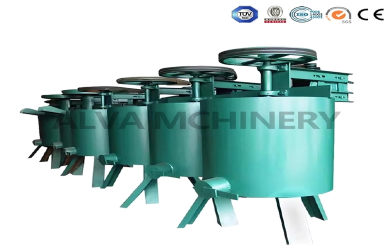
Bubble removal is a crucial step in adhesive mixing, as trapped air can significantly affect the quality and performance of the final product. Air bubbles weaken the adhesive bond, leading to inconsistent bonding, reduced strength, and potentially compromising the aesthetic finish of the material. The presence of bubbles can cause uneven application, leading to poor results in applications such as packaging, wood bonding, or even electronics manufacturing. Glue mixers play a vital role in ensuring a smooth, consistent adhesive by effectively eliminating air bubbles during the mixing process. They use specialized techniques, such as vacuum mixing, high-shear forces, and controlled agitation, to remove these bubbles, ensuring that the adhesive is uniform, strong, and ready for application without defects.
1.Why Bubbles Form in Adhesives
Causes of Air Bubbles
Air bubbles can be introduced into adhesives during the mixing process due to several factors:
Improper Mixing Techniques: When adhesives are mixed too quickly or too aggressively, air can become trapped in the mixture, forming bubbles. Rapid agitation, especially in thicker adhesives, can create excessive turbulence, which leads to air being incorporated into the mixture.
Insufficient Mixing: Conversely, not mixing the adhesive thoroughly enough can also lead to air pockets, as certain areas of the adhesive may not be evenly blended.
Material Inconsistencies: Adhesives with varying viscosities or materials that are not properly pre-mixed may form air bubbles during mixing. For example, certain fillers or additives may not blend evenly, creating pockets of air within the adhesive.
Temperature Changes: Rapid temperature shifts can also cause air bubbles. If the adhesive is mixed at a high temperature and then rapidly cooled, the change in pressure may lead to the formation of bubbles.
Impact of Bubbles
The presence of air bubbles in an adhesive can have significant negative effects:
Weakened Bonding Strength: Trapped air reduces the surface area in contact with the material being bonded, leading to weaker adhesive bonds. This can result in less effective performance, especially in high-stress applications.
Inconsistent Coverage: Bubbles can cause the adhesive to spread unevenly, resulting in inconsistent coverage on surfaces and potentially leaving parts of the material unbonded or poorly adhered.
Aesthetic Issues: In some applications, such as in packaging or furniture, air bubbles can lead to unsightly blemishes or imperfections on the surface of the product, affecting its appearance and quality.
Potential for Defects: When air is trapped in the adhesive, it can create voids or gaps in the final product, leading to structural weaknesses or defects that compromise the material’s overall integrity.
2.How Glue Mixers Remove Bubbles
Glue mixers are equipped with specialized features designed to remove air bubbles from adhesives, ensuring a smooth, uniform mixture. The following techniques are commonly used to eliminate bubbles during the mixing process:
Vacuum Mixing
Vacuum mixing is one of the most effective methods for removing air bubbles from adhesives. By creating a low-pressure environment within the mixing chamber, vacuum mixers allow the trapped air in the adhesive to escape. As the pressure is lowered, the air bubbles expand and rise to the surface, where they can be removed efficiently. This technique is particularly useful for high-viscosity adhesives, which are prone to trapping air during mixing. Vacuum mixers ensure a homogeneous and bubble-free adhesive, improving the strength and quality of the final product.
Shear and Mixing Action
High-shear mixers utilize intense mixing forces to break down air bubbles and prevent them from forming or remaining in the adhesive. Shear force is generated by rapidly rotating blades or a rotor-stator system that creates powerful turbulence. This mechanical action forces air bubbles to collapse, ensuring the adhesive remains smooth and consistent. High-shear mixers are ideal for thick, high-viscosity adhesives, as they help disperse air effectively while maintaining the desired consistency. The result is a uniform adhesive with improved bonding strength and fewer imperfections.
Slow Speed or Agitation
In some cases, adjusting the mixing speed or using low-shear agitation can help prevent the introduction of excess air into the adhesive. For low-viscosity adhesives, gentle agitation at a slower speed minimizes the risk of trapping air. Low-shear mixers operate by moving the adhesive gently, reducing the likelihood of creating air bubbles while ensuring the mixture is thoroughly combined. This technique is suitable for adhesives that do not require intense mixing forces but still need to be blended without introducing unwanted air.
By using these techniques—vacuum mixing, shear and mixing action, and slow speed agitation—glue mixers help remove bubbles effectively, resulting in high-quality, smooth adhesives that enhance product performance and appearance.
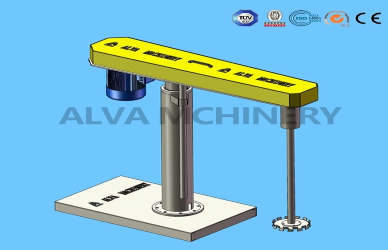
3.Types of Mixers for Bubble Removal
Different types of glue mixers are designed to address the issue of air bubbles, each offering specific advantages for different adhesive formulations and production needs. Below are the types of mixers commonly used for bubble removal:
Vacuum Mixers
Vacuum mixers are specifically engineered to prevent air bubbles by removing trapped air from the adhesive. They operate in a low-pressure environment that allows air bubbles to expand and rise to the surface, where they are eliminated. The vacuum environment reduces the possibility of air becoming trapped during mixing, which is especially important for high-viscosity or heat-sensitive adhesives. Vacuum mixers are particularly effective for creating smooth, homogeneous adhesives with a consistent texture, making them ideal for industries where bubble-free products are critical, such as in the production of coatings, resins, and some industrial adhesives.
Planetary Mixers
Planetary mixers are another effective option for reducing air bubbles in adhesives. They feature rotating blades or agitators that move both on their axis and around the mixing vessel, ensuring consistent and thorough mixing. The unique motion of the blades ensures that even thick, viscous materials are evenly mixed, helping to prevent the formation of air bubbles. While planetary mixers are commonly used in the food, pharmaceutical, and cosmetic industries, they are also highly effective for mixing adhesives with medium viscosities. These mixers are known for providing a gentle yet effective blending process that minimizes air incorporation while ensuring uniformity.
High-Shear Mixers
High-shear mixers are designed to eliminate air bubbles in thicker adhesives by applying high-intensity shear forces. The rotor-stator system of high-shear mixers rapidly accelerates the adhesive, creating intense turbulence that forces air bubbles to collapse. These mixers are particularly useful for adhesives with high viscosities, such as epoxies and resins, which are prone to trapping air during mixing. The high shear action ensures that the adhesive is thoroughly mixed and smooth, with a consistent texture free of bubbles. High-shear mixers are ideal for applications where strong bonding and uniform consistency are essential, such as in automotive, construction, or electronics manufacturing.
4.Preventing Bubbles in Future Mixes
To avoid the formation of air bubbles in future adhesive mixes, it's important to focus on the mixing process itself and choose the right equipment. Here are some effective strategies:
Proper Mixing Techniques
Slow and Steady Mixing: Mix adhesives at a slower speed, especially for thicker materials. High speeds can introduce excessive air into the mixture, leading to bubble formation. Slower mixing ensures that the adhesive is properly blended without trapping air.
Pre-mixing: For some adhesives, pre-mixing the components gently before fully activating the mixer can help ensure the materials are well combined without creating air pockets.
Gradual Addition of Components: Add components gradually to the adhesive, especially for high-viscosity mixtures. Rapidly adding certain ingredients can introduce air, leading to bubbles. Slowly incorporating materials helps prevent air from getting trapped.
Avoid Over-Mixing: Over-mixing can result in more air being incorporated into the adhesive, so it's important to mix only for the recommended time to achieve uniformity.
Choosing the Right Mixer
Selecting the right glue mixer for your adhesive’s viscosity is crucial in preventing air bubbles during the mixing process:
Low-Viscosity Adhesives: For thin adhesives, choose mixers that offer gentle agitation and are designed to handle liquid or semi-liquid materials. Agitators or low-shear mixers are ideal for these applications as they mix without introducing air.
Medium-Viscosity Adhesives: Ribbon blenders or planetary mixers are suitable for medium-viscosity adhesives. These mixers provide effective yet gentle mixing to prevent the introduction of air while maintaining uniform consistency.
High-Viscosity Adhesives: High-shear mixers or vacuum mixers are essential for thicker adhesives. High-shear mixers apply strong forces to break down air bubbles, while vacuum mixers remove air from the adhesive by creating a low-pressure environment, preventing bubble formation.
FAQ (Frequently Asked Questions)
1.Can air bubbles affect the bonding strength of adhesives?
Answer: Yes, air bubbles weaken the adhesive bond, reducing its strength and effectiveness.
2.What type of mixer is best for removing bubbles in thick adhesives?
Answer: High-shear mixers are ideal for thick adhesives as they can effectively break down air bubbles.
3.Is vacuum mixing always necessary to remove bubbles in glue?
Answer: While vacuum mixing is highly effective, other mixers like planetary or high-shear mixers can also help reduce bubbles, depending on the adhesive type.
4.How can I prevent air bubbles when mixing glue?
Answer: Use slow-speed mixing, avoid over-agitation, and select the right mixer for your adhesive to minimize bubble formation.
Conclusion
In conclusion, preventing air bubbles in adhesive mixing is crucial for ensuring the consistency, strength, and quality of the final product. By employing proper mixing techniques such as slow and steady mixing, pre-mixing, and gradual ingredient addition, you can minimize bubble formation. Additionally, selecting the right glue mixer based on the adhesive's viscosity plays a key role in achieving optimal results. Vacuum mixers, high-shear mixers, and appropriate agitation techniques ensure smooth, uniform adhesives with minimal air bubbles. By following these strategies, manufacturers can enhance the performance of adhesives, reduce waste, and improve the overall quality of their products.

 English
 العربية
 Français
 Русский
 Español
 Português
 Deutsch
 italiano
 日本語
日本語 한국어
한국어 Nederlands
 Tiếng Việt
 ไทย
ไทย Polski
 Türkçe
 አማርኛ
አማርኛ ພາສາລາວ
 ភាសាខ្មែរ
 Bahasa Melayu
 ဗမာစာ
ဗမာစာ தமிழ்
தமிழ் Filipino
 Bahasa Indonesia
 magyar
 Română
 Čeština
 Монгол
 қазақ
қазақ Српски
 हिन्दी
 فارسی
فارسی Kiswahili
 Slovenčina
 Slovenščina
 Norsk
Norsk Svenska
 українська
 Ελληνικά
 Suomi
Suomi Հայերեն
 עברית
עברית Latine
 Dansk
Dansk اردو
اردو Shqip
Shqip বাংলা
বাংলা Afrikaans
 Māori
Māori অসমীয়া
 Беларуская мова
 Català


