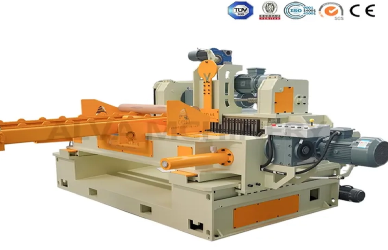
The wood-based panel industry is essential in global construction and furniture markets, supplying materials like plywood, MDF, OSB, and particleboard. These products are vital for building structures, furniture, and interior designs. As demand for high-quality, sustainable materials rises, advanced machinery in this sector becomes increasingly important.
Quality control is crucial in ensuring product consistency and efficiency. Poor quality products can lead to waste, increased costs, and delays, negatively impacting both production and customer satisfaction. In a competitive market, maintaining high-quality standards strengthens a company’s reputation and market position.
This article explores how quality control measures in wood-based panel machinery ensure superior product quality. We’ll examine the processes and technologies used to maintain consistent output and their impact on production success.
Overview of Quality Control in Wood-Based Panel Machinery
1.Definition of Quality Control
Quality control refers to the process of ensuring that products meet specific standards of quality throughout the production process. The primary objectives of quality control are to maintain consistency, improve product reliability, and minimize defects. In the context of wood-based panel machinery, quality control ensures that the machines operate efficiently and that the resulting products meet the required physical, mechanical, and aesthetic standards.
2.The Role of Quality Control in Wood-Based Panel Machinery
Quality control plays a critical role in ensuring that wood-based panel machinery performs according to precise specifications. From raw material input to the final product, quality control involves monitoring and adjusting the machinery to prevent issues such as inconsistency in panel thickness, density, or surface quality. By continuously checking and calibrating equipment, quality control ensures that each production run adheres to the required standards, improving efficiency and reducing the risk of defects that could impact production or product performance.
3.Common Quality Standards and Certifications
To guarantee high standards of production, wood-based panel machinery must meet various industry-recognized quality certifications and standards. Common certifications include ISO 9001, which specifies requirements for quality management systems, and CE marking, indicating that products conform to European Union standards. These certifications ensure that the machinery and its production processes meet international quality expectations, enhancing both product quality and consumer trust. Other certifications may also apply, depending on the specific market or product type, further verifying that the machinery and the products it produces are of superior quality.
Quality Control Stages and Techniques in Wood-Based Panel Machinery
1.Raw Material Inspection
The first step in ensuring high-quality panels is inspecting raw materials. Wood must be free from defects like cracks or warping, while adhesives should meet the required chemical standards for strong bonding. This ensures the inputs used in production are of the highest quality, reducing defects in the final product.
2.Machine Performance Monitoring
Monitoring machine performance is crucial for consistent output. Regular calibration and maintenance prevent machine wear that can affect production. Keeping equipment well-maintained ensures precise dimensions and uniform quality, reducing downtime and improving efficiency.
3.In-Process Quality Testing
In-process testing involves real-time monitoring of key parameters like panel thickness, density, and surface quality. Automated systems track these metrics, allowing immediate adjustments to maintain consistency. This ensures early detection of issues, preventing defects from progressing in production.
4.Final Product Inspection
Final product inspection checks the appearance, strength, and performance of panels before shipment. Spot checks and testing identify surface imperfections and assess physical properties. Only panels meeting these standards are shipped, ensuring high-quality products for customers.
Innovations in Quality Control Technology in Wood-Based Panel Machinery
1.Smart Quality Control Technologies
Machine learning and artificial intelligence (AI) are revolutionizing quality control in wood-based panel machinery. These technologies enable predictive maintenance and real-time process monitoring, allowing for proactive identification of potential issues before they disrupt production. AI algorithms can analyze data from machines to predict wear and tear, suggesting maintenance schedules to reduce downtime and improve overall equipment efficiency. Machine learning also helps optimize production processes by continuously adjusting settings to maintain product quality based on real-time data.
2.Application of Automated Inspection Equipment
Automated inspection technologies, such as vision inspection systems and laser scanning, are increasingly being used to ensure quality during production. Vision systems use high-resolution cameras to inspect panels for surface defects, ensuring that only flawless products move forward in the process. Laser scanning systems provide precise measurements of panel thickness, density, and surface smoothness, offering detailed insights into the consistency of each product. These automated solutions allow for high-speed, accurate inspections, improving both efficiency and product quality.
3.Data Analytics for Quality Optimization
Big data analytics is becoming a key tool in optimizing quality control in wood-based panel production. By analyzing vast amounts of production data, manufacturers can identify trends, bottlenecks, and areas for improvement in the production process. Data-driven insights help refine processes, optimize machine settings, and predict potential issues, leading to more consistent product quality and reduced waste. This data-centric approach enables continuous improvements, enhancing overall production efficiency and product standards.
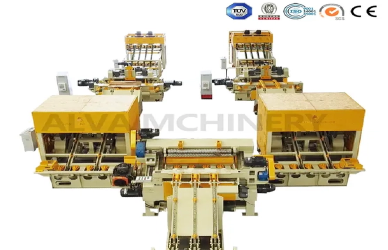
Challenges in Quality Control and Solutions in Wood-Based Panel Machinery
1.Aging Equipment and Maintenance
As wood-based panel machinery ages, equipment wear can lead to inconsistencies in production, such as inaccurate dimensions or poor surface quality. Regular maintenance and timely upgrades are crucial to preventing these issues. By scheduling routine inspections, calibrations, and parts replacements, manufacturers can ensure that machinery operates at peak efficiency. Upgrading outdated technology also allows for the integration of newer, more accurate systems, improving overall production consistency and minimizing downtime.
2.Impact of Environmental Factors
Environmental factors such as temperature and humidity can significantly affect wood-based panel production. Wood is a natural material that reacts to changes in its environment, potentially causing warping, swelling, or shrinkage during production. To mitigate these issues, manufacturers implement climate control systems in production facilities to maintain stable temperature and humidity levels. Additionally, quality control systems monitor the conditions throughout the production process, ensuring that any environmental changes are promptly addressed to maintain product quality.
3.Employee Skills and Standard Operating Procedures
Even with advanced machinery and technology, human error can still impact the quality of wood-based panels. Ensuring that operators are well-trained in quality control processes is essential to minimize mistakes. Comprehensive training programs that cover machine operation, troubleshooting, and quality standards are key to maintaining consistent product quality. Establishing clear standard operating procedures (SOPs) further reduces variability by ensuring that every operator follows the same best practices, improving overall efficiency and reducing the likelihood of defects.
Impact of Quality Control on Final Products in Wood-Based Panel Machinery
1.Panel Stability and Durability
Quality control ensures the stability and durability of wood-based panels by monitoring the production process to meet strength and integrity standards. This reduces defects like warping, cracking, or delamination, ensuring the panels' longevity. By focusing on quality from raw material inspection to final testing, manufacturers minimize complaints and enhance product reliability.
2.Aesthetic Consistency
Aesthetic consistency is crucial in wood-based panels. Quality control ensures uniformity in color, texture, and smoothness. Automated inspection systems detect imperfections, ensuring that the panels maintain a visually appealing finish, which boosts their marketability and consumer appeal.
3.Market Competitiveness
High-quality products help businesses stand out in a competitive market. Consistently producing reliable and attractive panels builds a strong reputation, attracts more customers, and increases market share. Quality control fosters customer trust, which is key to long-term success in the industry.
FAQs (Frequently Asked Questions)
1.What is the role of quality control in wood-based panel machinery?
Quality control ensures that machinery operates efficiently and precisely during production, guaranteeing that the final products meet the required quality standards.
2.How does automated quality control in wood-based panel machinery work?
Automated quality control systems use sensors, vision inspection, and real-time data analysis to monitor every stage of production, detecting and correcting potential quality issues promptly.
3.What are the key quality standards for wood-based panel products?
Common quality standards include international certifications (such as ISO 9001), environmental certifications (such as FSC), and industry-specific physical and mechanical performance criteria, such as density, thickness, and surface smoothness.
4.How does quality control improve the durability and aesthetic appeal of wood-based panels?
Quality control ensures that the raw materials, production processes, and equipment settings meet high standards, resulting in stable, durable wood-based panels with consistent appearance and quality that meets market demands.
Conclusion
In the wood-based panel industry, quality control is a critical factor in ensuring the production of superior products that meet both functional and aesthetic standards. By implementing stringent quality control measures throughout every stage—from raw material inspection to final product testing—manufacturers can ensure that their panels are durable, stable, and consistently high in quality. This approach helps to prevent defects such as warping, cracking, or surface imperfections, which can negatively affect product performance and customer satisfaction.
Furthermore, effective quality control not only minimizes complaints but also enhances a company’s ability to compete in the market. Consistently delivering high-quality products builds consumer trust, improves brand reputation, and ultimately increases market share. This makes quality control an essential tool for manufacturers striving for long-term success. By investing in advanced technologies and best practices in quality control, companies can maintain high production standards, improve efficiency, and foster lasting relationships with customers, ensuring their place as leaders in the competitive wood-based panel industry.

 English
 العربية
 Français
 Русский
 Español
 Português
 Deutsch
 italiano
 日本語
日本語 한국어
한국어 Nederlands
 Tiếng Việt
 ไทย
ไทย Polski
 Türkçe
 አማርኛ
አማርኛ ພາສາລາວ
 ភាសាខ្មែរ
 Bahasa Melayu
 ဗမာစာ
ဗမာစာ தமிழ்
தமிழ் Filipino
 Bahasa Indonesia
 magyar
 Română
 Čeština
 Монгол
 қазақ
қазақ Српски
 हिन्दी
 فارسی
فارسی Kiswahili
 Slovenčina
 Slovenščina
 Norsk
Norsk Svenska
 українська
 Ελληνικά
 Suomi
Suomi Հայերեն
 עברית
עברית Latine
 Dansk
Dansk اردو
اردو Shqip
Shqip বাংলা
বাংলা Afrikaans
 Māori
Māori অসমীয়া
 Беларуская мова
 Català


