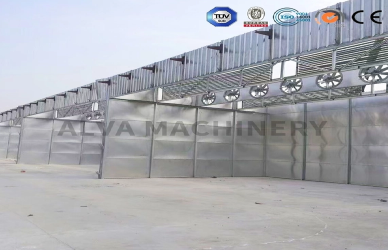
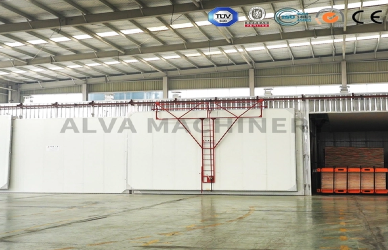
Industrial drying machines play a crucial role in various industries, such as food processing, pharmaceuticals, textiles, and chemicals, by efficiently removing moisture from materials. These machines are designed to enhance production efficiency, improve product quality, and ensure consistency in the drying process. However, like any complex machinery, industrial drying machines require regular maintenance to function at their best. Proper maintenance not only helps avoid costly breakdowns but also extends the machine's lifespan, ensuring continuous, reliable performance. By focusing on preventive care, businesses can avoid disruptions in production and maintain high standards of efficiency and output.
Regular Heating System Inspections
Regular inspections of the heating system are essential to ensure that the industrial drying machine operates efficiently and effectively. The heating elements and temperature control systems should be cleaned and inspected regularly to prevent any buildup of debris or dirt that could impact performance. It's recommended to check the heating elements at least once every few months, depending on the machine's usage intensity.
1.Key inspection tasks include:
Cleaning heating elements: Ensure there is no dust, debris, or residue that could hinder heat transfer.
Checking temperature sensors: Ensure that the sensors are accurately reading the temperature to prevent overheating or underheating.
Examining wiring and connections: Look for signs of wear or damage in the wiring that may affect heating efficiency.
Verifying temperature calibration: Regularly calibrate temperature control systems to ensure consistent heating.
2.Common issues that can arise due to improper maintenance include:
Uneven heating: Caused by clogged or damaged heating elements, resulting in some areas being over-heated while others remain under-heated.
Overheating: Often a result of faulty temperature sensors or control systems, leading to higher than required temperatures that can damage materials.
Inconsistent drying: If the temperature fluctuates or isn’t maintained at optimal levels, it can result in incomplete or inconsistent drying.
Cleaning of Air Ducts and Filters
Maintaining proper airflow is critical to the efficient operation of industrial drying machines. Air ducts and filters can accumulate dust, debris, and other particles over time, which can obstruct airflow and reduce the machine's drying efficiency. Regular cleaning of these components is essential to ensure that the machine performs optimally.
1.Key Tasks for Cleaning Air Ducts and Filters:
Clean air ducts: Inspect and clean ducts regularly to remove any buildup of dust, lint, or other particles that may restrict airflow. This ensures that hot air circulates efficiently throughout the drying chamber.
Replace or clean filters: Air filters trap contaminants from the air, and if they become clogged, they can impede airflow. Depending on the type of filter, either clean or replace it to maintain smooth air circulation.
Check for blockages: Examine the ducts for any signs of physical blockages or damage that could prevent air from flowing freely.
2.Key Considerations:
Ensure unobstructed airflow: Make sure there are no obstructions in the airflow path, such as dirty filters or blocked ducts, which can cause uneven drying and increase energy consumption.
Monitor the humidity levels: Regularly assess the humidity levels in the drying chamber to ensure that the air circulation is effectively managing moisture removal.
Consider the environment: In dusty or high-moisture environments, more frequent cleaning of ducts and filters may be required to prevent clogging and maintain efficiency.
Lubrication and Inspection of Moving Parts
Regular lubrication and inspection of moving parts are vital for the smooth operation of industrial drying machines. The drive shafts, drums, and other moving components undergo constant motion during operation, which generates friction. Without proper lubrication, this friction can lead to wear and tear, reducing the efficiency of the machine and potentially causing costly breakdowns.
1.Key Tasks for Lubrication and Inspection:
Lubricate drive shafts and drums: Apply the appropriate type of lubricant to the moving parts such as the drive shafts, rollers, and drums to minimize friction. This reduces the risk of overheating and premature wear.
Check for sufficient lubrication: Ensure that the moving parts have adequate lubrication to avoid dry running, which can increase wear and energy consumption.
Inspect seals and bearings: Regularly check seals and bearings for signs of wear, leakage, or damage, as they play a critical role in reducing friction and preventing contamination.
Ensure smooth operation: Test the moving parts for smooth operation to ensure that everything is functioning correctly and that there are no signs of unnecessary resistance.
2.Common Issues:
Unusual noises: A lack of lubrication or insufficient lubrication can cause metal parts to rub against each other, leading to grinding, squealing, or knocking noises.
Wear and tear: Over time, moving components without proper lubrication can experience excessive wear, leading to reduced efficiency, increased energy usage, and eventually the need for expensive replacements.
Overheating: Insufficient lubrication can cause parts to overheat, which may result in further damage to the machinery and even complete system failure.
Electrical System and Control Panel Checks
The electrical system and control panel are the brain of any industrial drying machine, ensuring that all components function correctly and efficiently. Regular electrical inspections are crucial for identifying potential issues before they lead to malfunctions or costly repairs. Ensuring the electrical circuits and control systems are operating optimally helps maintain safe, reliable performance.
1.Key Tasks for Electrical Inspections:
Inspect electrical circuits: Regularly check the circuits for any signs of wear, fraying, or loose connections. This ensures that power is being delivered efficiently to all components without interruptions.
Test control systems: Verify that all buttons, switches, and control panels are functioning correctly, and that sensors and controllers are properly calibrated.
Check for overheating: Inspect the electrical components for any signs of overheating, which can indicate potential short circuits or faulty wiring.
Evaluate grounding: Ensure that all electrical components are properly grounded to prevent electrical shocks and ensure the safety of the equipment.
2.Important Tip:
Inspect cable connections: Over time, cable connections can degrade due to exposure to heat or moisture, leading to breakage or malfunction. Regularly inspect all cables for signs of aging, wear, or corrosion, and replace any damaged cables immediately to avoid further damage or electrical hazards.
3.Common Issues:
Electrical malfunctions: A poor connection or faulty wiring can lead to power failures, equipment stoppages, or erratic machine behavior.
Control panel failures: If the control panel or sensors aren’t functioning correctly, it can lead to incorrect temperature readings, inconsistent drying cycles, or even machine shutdowns.
Overheated components: Over time, improper wiring or failure to inspect components can lead to overheating, which can damage electrical parts or cause system failures.
Temperature and Humidity Monitoring
Monitoring temperature and humidity is essential for optimal performance in industrial drying machines. Proper control prevents under-drying, overheating, and ensures consistent product quality.
1.Key Tasks:
Check temperature control: Regularly inspect and verify accurate temperature readings throughout the drying cycle.
Monitor humidity levels: Ensure the machine is removing moisture effectively by tracking humidity within the chamber.
Calibrate sensors: Ensure temperature and humidity sensors are accurately calibrated for correct readings.
2.Adjusting Settings:
Adjust based on material: Set temperature and drying time according to the material type to avoid damage or incomplete drying.
Consider material properties: For sensitive materials, lower temperatures or shorter drying times may be needed, while thicker materials may require higher temperatures or longer cycles.
3.Common Issues:
Under-drying: Occurs with low temperature or short drying time, leaving moisture in the material.
Overheating: Too high a temperature can damage or burn materials.
Inconsistent drying: Uneven humidity levels can lead to parts of the material being over-dried or still damp.
FAQ (Frequently Asked Questions)
1.How do I know if there is an issue with my dryer’s heating system?
Check for uneven heating, fluctuating temperatures, or if the machine is not reaching the desired temperature. Overheating or insufficient heat can indicate issues with the heating elements or sensors.
2.How often should air filters and ventilation systems be cleaned?
Air filters and ventilation systems should be cleaned at least once a month to ensure optimal airflow. In dusty environments, more frequent cleaning may be necessary to prevent clogs and maintain drying efficiency.
3.What should I check in the dryer’s electrical system?
Inspect the electrical connections for wear or damage, check the wiring for signs of aging, ensure the control panel and sensors are functioning properly, and verify that the machine is grounded correctly to avoid electrical issues.
4.How do I adjust the temperature and humidity settings on my drying machine?
Adjust the temperature and drying time based on the material being processed. Sensitive materials may require lower temperatures and shorter cycles, while thicker materials may need higher temperatures and longer drying times for effective moisture removal.
Conclusion
In conclusion, regular maintenance and timely repairs are essential to ensuring the continued efficiency and longevity of industrial drying machines. By performing routine checks on the heating system, cleaning air ducts and filters, lubricating moving parts, inspecting electrical systems, and monitoring temperature and humidity, businesses can prevent costly breakdowns, improve performance, and maintain consistent drying results. Proper maintenance not only reduces energy consumption but also minimizes downtime, ultimately leading to greater productivity and cost savings. Prioritizing these maintenance tasks is a proactive approach that helps extend the lifespan of the equipment and ensures smooth operations in the long term.

 English
 العربية
 Français
 Русский
 Español
 Português
 Deutsch
 italiano
 日本語
日本語 한국어
한국어 Nederlands
 Tiếng Việt
 ไทย
ไทย Polski
 Türkçe
 አማርኛ
አማርኛ ພາສາລາວ
 ភាសាខ្មែរ
 Bahasa Melayu
 ဗမာစာ
ဗမာစာ தமிழ்
தமிழ் Filipino
 Bahasa Indonesia
 magyar
 Română
 Čeština
 Монгол
 қазақ
қазақ Српски
 हिन्दी
 فارسی
فارسی Kiswahili
 Slovenčina
 Slovenščina
 Norsk
Norsk Svenska
 українська
 Ελληνικά
 Suomi
Suomi Հայերեն
 עברית
עברית Latine
 Dansk
Dansk اردو
اردو Shqip
Shqip বাংলা
বাংলা Afrikaans
 Māori
Māori অসমীয়া
 Беларуская мова
 Català