| Product Introduction |
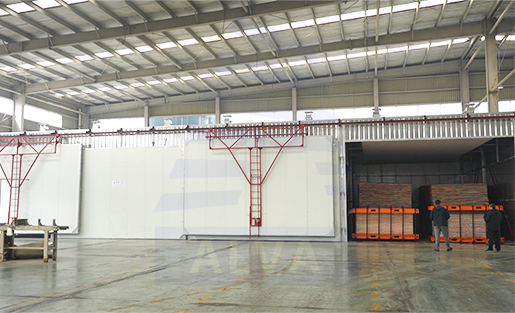
Low Temperature Plywood Drying Equipment is a professional drying treatment device for the plywood production field, specially designed and developed for the plywood drying process. Taking the drying medium with low temperature and low wind speed as the core operating carrier, the equipment conducts plywood drying through a slow drying process, which enables plywood to reach the ideal moisture content required for production, ensures the plywood drying quality, and meets the technical standards for subsequent processing and application.
This equipment is widely adapted to the production needs of various plywood manufacturing enterprises and can carry out drying operations on plywood of different types and specifications, including ordinary plywood, veneer plywood, multi-layer plywood and other varieties. It is a key supporting device for the large-scale and standardized production of plywood.
| Product display |
| Product Parameter |
| Model number | ALVA20 |
| place of origin | Shandong, China |
| brand name | ALVA |
| After-sales Service Provided | Engineers available to service machinery overseas |
| type | wood drying equipment |
| heating ways | wood heating ,gas heating ,electricty heating |
| power | 10kw-57kw |
| shape | container style |
| colour | green ,blue silver |
| Capacity | 20-200cubic meter |
| heating wood thickness | 5cm-10cm |
| Certification | CE/ISO |
| Weight | 3000kg |
| power supply | 380V/415V/220V 3 PHASE 50HZ |
| Product Advabtages |
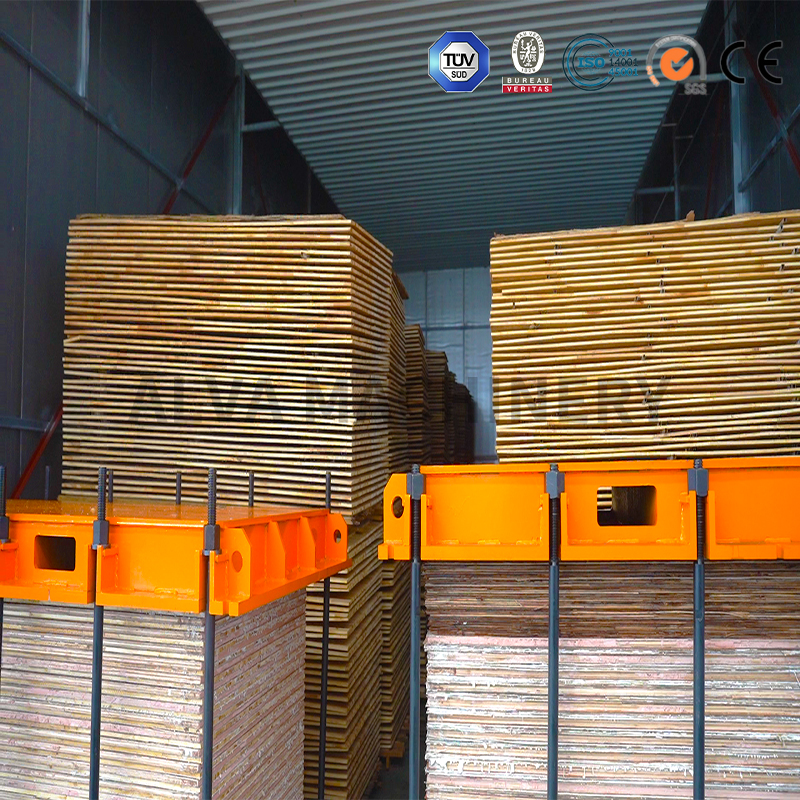
Reducing Deformation and Cracking
When plywood is dried in a low-temperature environment, the internal stress of the plywood panels changes at a slow and uniform rate, and the transmission and release of stress from the core layer to the surface layer are more gentle, without forming an obvious temperature stress difference due to sudden local temperature rises and falls. This characteristic can fundamentally avoid panel warping and deformation caused by uneven distribution of temperature stress, and also prevent fine cracks or through cracks on the surface and inside of the panels. Plywood dried at low temperature has significantly improved dimensional stability, and is not prone to dimensional deviation due to changes in environmental temperature and humidity during subsequent processing, transportation and use; the surface of the panels can also maintain a smooth and clean state without appearance defects such as cracking and bulging, which greatly improves the appearance quality and qualified product rate of plywood.
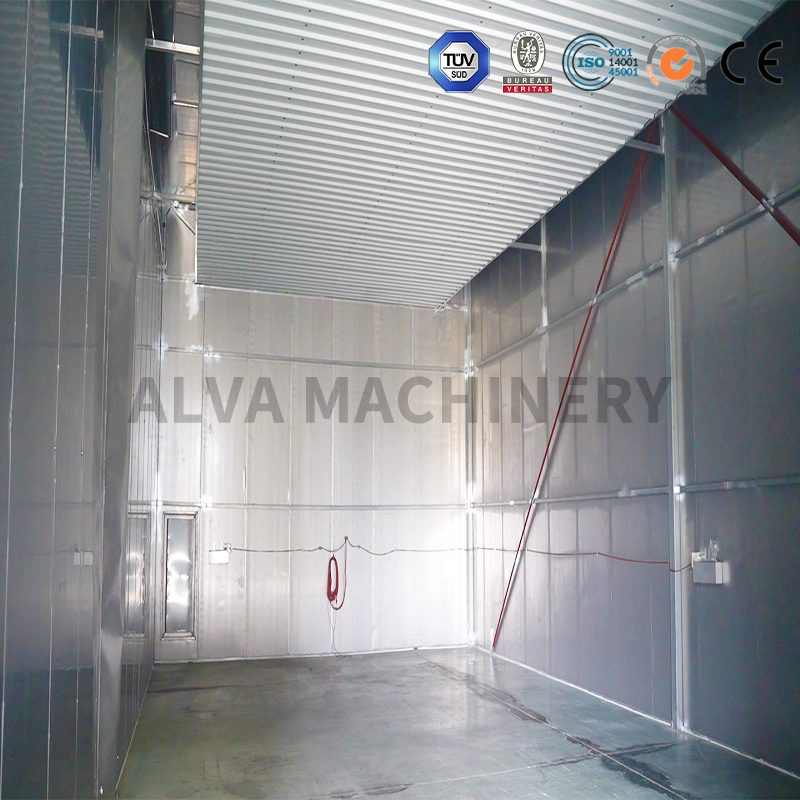
Protecting Bonding Performance
The bonding effect of plywood directly depends on the performance of the adhesive, and high-temperature environments can easily damage the molecular structure of the adhesive, leading to a significant attenuation of its bonding performance. The low-temperature drying process can fundamentally avoid the adverse effects of high temperature on adhesive performance, not only preventing the adhesive layer from premature aging, oxidative degradation and other problems caused by high temperature, but also ensuring that the adhesive forms a stable bonding interface during the curing process. This ensures that the bonding strength of plywood always meets industry standards and production requirements, and the bonding between each layer of veneers of the plywood is tighter, effectively avoiding the phenomenon of adhesive layer shedding and veneer delamination during use, and ensuring the firmness and service life of plywood products from the structural level.
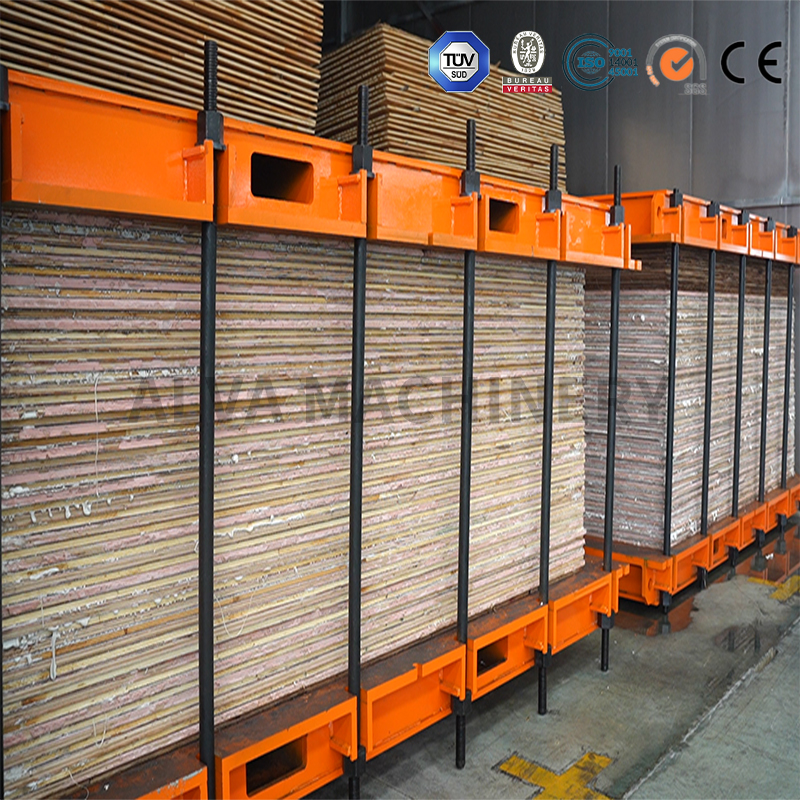
Excellent Process Flexibility
The low-temperature plywood drying kiln has highly flexible parameter adjustment capabilities. For plywood of different tree species (such as poplar, pine, birch, etc.), the drying temperature and humidity can be precisely adjusted according to the differences in their wood density and fiber structure; for plywood blanks or finished panels of different thicknesses, the drying time can be extended or shortened to adapt to the moisture evaporation law of the panels; at the same time, for plywood with different initial moisture contents, the temperature and humidity gradient and hot air circulation rate can also be flexibly set to ensure that each batch of panels achieves the ideal drying effect. This flexible process control mode can fully meet the diversified needs in plywood production. Whether it is thin decorative plywood, thick structural plywood, or customized plywood of special materials, efficient and high-quality drying treatment can be achieved through parameter optimization, adapting to the enterprise's multi-category and multi-specification production layout.

 English
 العربية
 Français
 Русский
 Español
 Português
 Deutsch
 italiano
 日本語
日本語 한국어
한국어 Nederlands
 Tiếng Việt
 ไทย
ไทย Polski
 Türkçe
 አማርኛ
አማርኛ ພາສາລາວ
 ភាសាខ្មែរ
 Bahasa Melayu
 ဗမာစာ
ဗမာစာ தமிழ்
தமிழ் Filipino
 Bahasa Indonesia
 magyar
 Română
 Čeština
 Монгол
 қазақ
қазақ Српски
 हिन्दी
 فارسی
فارسی Kiswahili
 Slovenčina
 Slovenščina
 Norsk
Norsk Svenska
 українська
 Ελληνικά
 Suomi
Suomi Հայերեն
 עברית
עברית Latine
 Dansk
Dansk اردو
اردو Shqip
Shqip বাংলা
বাংলা Afrikaans
 Māori
Māori অসমীয়া
 Беларуская мова
 Català