
Views: 0 Author: Site Editor Publish Time: 2026-02-16 Origin: Site


An edge trimming machine is a vital tool used in various industries, including woodworking, metalworking, and manufacturing, to trim and smooth the edges of materials. It helps ensure uniformity and precision, improving the quality and appearance of the finished product. Proper operation of the edge trimming machine not only enhances productivity but also ensures safety and extends the machine’s lifespan. However, to achieve optimal results and avoid potential issues, it’s crucial to follow the right tips and precautions. These include safety measures, machine setup and calibration, proper material handling, regular maintenance, and troubleshooting common problems.
When operating an edge trimming machine, safety should always be the top priority. Taking the necessary precautions can help prevent accidents and injuries during the trimming process.
Always wear the appropriate personal protective equipment to safeguard yourself from potential hazards:
Safety gloves: Protect your hands from sharp edges and potential burns when handling materials.
Safety goggles: Prevent flying debris and particles from injuring your eyes during operation.
Hearing protection: Prolonged exposure to high noise levels from machinery can cause hearing damage, so earplugs or earmuffs should always be worn.
Ensure that all safety guards are securely in place before starting the edge trimming machine. These guards are designed to protect the operator from accidental contact with moving parts or sharp edges. Never operate the machine without proper guarding, and always check that the guards are functioning correctly before each use.
Maintain a clean and organized workspace by keeping the area clear of debris, tools, or any unnecessary items that could cause accidents. Ensure there is enough space for the machine to operate freely, and that materials are properly positioned for safe and effective trimming. Avoid distractions and always be aware of your surroundings while operating the machine.
Proper setup and regular calibration of an edge trimming machine are essential to ensure that it operates at peak efficiency, delivering consistent, precise results. Here are the key steps to properly set up and maintain the machine:
Ensure that the edge trimming machine is installed according to the manufacturer’s guidelines. This includes verifying that:
Alignment: The machine should be properly aligned with the work surface to ensure even trimming and prevent material misalignment during operation.
Stability: Ensure the machine is placed on a stable surface, free from vibrations, to avoid inaccuracies during trimming.
Electrical Setup: Double-check that all electrical connections are secure, and the machine is safely connected to a power source according to the manufacturer’s specifications.
Regular calibration is crucial to maintain the precision of the edge trimming machine. This ensures that the machine consistently trims edges to the correct dimensions and prevents:
Inconsistent trimming: If the machine isn’t calibrated properly, the edges of materials may be uneven, leading to poor product quality.
Material wastage: Incorrect calibration can result in trimming too much or too little, wasting materials and increasing production costs.
Make it a routine to calibrate the machine before each use, especially if it has been moved or after any maintenance work.
The trimming blades are critical for achieving a clean, smooth edge. To ensure optimal performance:
Check blade sharpness: Regularly inspect the blades for wear and tear. Dull blades can cause rough edges and increase the likelihood of material damage.
Replace blades: Replace the trimming blades when they show signs of significant wear, cracking, or dullness. Using worn-out blades can lead to inefficient cutting and potentially damage the machine or the materials.
Proper cleaning: Clean the blades after every use to remove debris and resin buildup, which can reduce their effectiveness and longevity.
Proper material handling is crucial for achieving uniform, accurate results when using an edge trimming machine. Correctly positioning the material and adjusting machine settings based on the material type will enhance the quality of the trim and prevent issues such as misalignment or uneven cuts.
Before starting the trimming process, ensure that the material is correctly positioned on the machine. This is essential for achieving uniform trimming across the entire length of the material. Follow these guidelines:
Proper alignment: Ensure that the material is aligned with the machine’s guides to prevent it from shifting during operation. Misalignment can result in uneven edges and material wastage.
Secure placement: Use clamps or guides to hold the material in place firmly, especially for larger or irregularly shaped items, to avoid movement during trimming.
Flat surface: Make sure the material is placed on a flat and even surface to ensure consistent cutting depth and quality.
Adjusting the trimming speed and pressure based on the type and thickness of the material is essential for achieving clean, precise cuts:
Speed settings: Different materials require different speeds for efficient trimming. Harder materials, such as metal or dense wood, may need slower speeds to avoid damaging the edges, while softer materials can be trimmed at faster speeds.
Pressure settings: Adjust the pressure to suit the material’s thickness. Too much pressure can lead to over-trimming, while too little pressure can result in an incomplete or uneven cut. Use the manufacturer’s recommendations for optimal pressure settings for specific materials.
Testing: Before starting the full trimming process, perform a small test cut on a scrap piece of material to ensure the settings are correct.
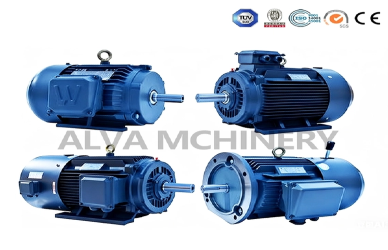
Regular maintenance is essential for keeping an edge trimming machine running smoothly and efficiently. By properly cleaning, lubricating, and inspecting the machine, you can prevent issues, extend its lifespan, and ensure high-quality trimming results.
Cleaning: After each use, clean the machine thoroughly to remove any debris, dust, or material buildup. Accumulated dust and debris can clog moving parts, reduce machine performance, and affect the quality of the trim. Pay special attention to areas like the blade housing, guides, and air vents.
Lubrication: Lubricate all moving parts, such as gears, drive shafts, and bearings, with the recommended lubricant to reduce friction. Proper lubrication ensures smooth operation, prevents excessive wear, and reduces the risk of overheating or malfunction.
Check components regularly: Frequently inspect the machine for signs of wear and tear, especially on critical parts such as blades, belts, bearings, and motor components. Worn-out or damaged parts can affect the precision of the trim and may lead to machine downtime.
Replace worn components: Replace any worn-out components promptly, such as dull blades or frayed belts, to prevent further damage and ensure consistent performance. Keeping a set of spare parts on hand can help reduce downtime.
Monitor for unusual vibrations or noise: If you notice any unusual vibrations or noise during operation, it could indicate an issue with the machine's moving parts. Investigate and address the cause promptly.
Edge trimming machines may encounter occasional problems. Here's how to address some common issues:
Check alignment: Ensure the material is correctly aligned with the machine’s guides.
Inspect blade sharpness: Dull blades can cause uneven cuts; replace them as needed.
Verify material placement: Make sure the material is securely positioned to avoid misalignment during trimming.
Check for loose parts: Tighten any loose screws, bolts, or fasteners to eliminate vibrations.
Verify calibration: Ensure the machine is properly calibrated to prevent imbalance.
Examine motor and bearings: Worn-out parts can cause noise and vibration, so inspect and replace if necessary.
Blade replacement depends on usage, but generally, blades should be replaced every 6 months or when signs of wear, such as dullness, appear.
The speed should be adjusted based on the material being trimmed; harder materials may require slower speeds, while softer materials can be trimmed at faster speeds.
Yes, edge trimming machines can be used on materials such as plastic, metal, and composite materials, but it's important to adjust the settings accordingly.
Excessive noise could indicate loose parts or a need for lubrication. Check all parts for wear or misalignment and ensure proper maintenance.
In conclusion, adhering to the proper tips and precautions when using an edge trimming machine is crucial for maintaining both safety and optimal performance. By consistently wearing the appropriate personal protective equipment, ensuring correct machine setup, and performing regular calibration, operators can minimize the risk of accidents and achieve precise, high-quality results. Routine maintenance, including blade inspection and lubrication, along with proper material handling, ensures the machine operates smoothly and extends its lifespan. These best practices not only enhance the efficiency and accuracy of the trimming process but also safeguard the machine, ultimately contributing to improved productivity and workplace safety. By prioritizing safety and machine care, businesses can achieve consistent, top-quality output and reduce downtime.


