Safety is a critical aspect of operating Oriented Strand Board (OSB) equipment, as the machinery involved in the production process can pose significant risks if not properly managed. Preventing accidents not only protects workers but also ensures that production remains smooth and efficient, avoiding costly downtime and legal complications. With the heavy-duty machinery used in OSB production, it’s essential to implement proper safety measures, such as machine guarding, regular maintenance, and comprehensive operator training. This article will explore practical strategies for preventing accidents in OSB equipment operations, focusing on best practices for equipment safety, the importance of regular inspections, and the role of a well-trained, safety-conscious workforce. By taking proactive steps, manufacturers can create a safer working environment, reduce risks, and ensure that production runs without interruption.
Safety Measures for Operating OSB Equipment
1.Machine Guarding
Machine guarding is essential in preventing accidental contact with moving parts in OSB production equipment, such as conveyors, presses, and cutters. Proper machine guards act as physical barriers, ensuring that operators and maintenance personnel are protected from high-speed moving parts, which could cause severe injuries. It's important to not only install guards that meet industry safety standards but also maintain them in good working condition. Regular inspection of guards for any signs of wear or damage is crucial to keeping them effective. Well-maintained machine guards reduce the likelihood of accidents and help ensure a safe working environment.
2.Emergency Stop Mechanisms
Emergency stop buttons and automated shutdown systems are vital for quickly halting machinery in the event of a malfunction or operator error. These mechanisms should be easily accessible and clearly marked, allowing operators to stop the equipment immediately if a dangerous situation arises. Emergency stops prevent further damage to machinery, reduce the risk of injury, and help contain any hazards before they escalate. Having a reliable and efficient emergency stop system in place is essential for ensuring operator safety and minimizing downtime caused by unexpected incidents.
3.Warning Signals and Alerts
Utilizing audible and visual warning signals is an effective way to alert operators to potential hazards or unsafe conditions. These signals can indicate problems such as overheating equipment, system malfunctions, or deviations from normal operating parameters. Visual signals like flashing lights and digital displays, along with audible alarms, ensure that operators are aware of issues even if they are working at a distance from the equipment. Promptly addressing these warnings allows operators to take corrective action before conditions worsen, reducing the risk of accidents and ensuring smooth and safe operation.
Operator Training and Awareness in Oriented Strand Board (OSB) Equipment
1.Comprehensive Safety Training
Comprehensive safety training is essential for ensuring that operators are fully equipped to handle OSB equipment safely and efficiently. This training should cover proper machine operation techniques, including how to start, stop, and troubleshoot equipment. It should also include clear instructions on recognizing potential hazards, such as moving parts, electrical components, or high temperatures. Training should involve practical sessions, where operators learn how to handle equipment safely in various scenarios. Additionally, emergency procedures, such as how to stop the machine in case of a malfunction or how to safely evacuate the area in the event of a fire or other emergencies, should be included. Thorough training ensures that operators are well-prepared to prevent accidents and respond appropriately if issues arise.
2.Ensuring Familiarity with Safety Protocols
Ensuring that operators are familiar with safety protocols is crucial to minimizing the risk of accidents in the workplace. Operators must be well-versed in the use of safety equipment, such as protective gloves, eye protection, and hearing protection, and understand when and how to use them. Training should emphasize safe work practices, such as not bypassing safety guards, avoiding overloading machinery, and maintaining a clean and organized workspace. Operators should also be trained in emergency response protocols, including how to use emergency stop buttons, evacuate the facility safely, and report hazards or unsafe conditions. By fostering a safety-conscious culture and ensuring that operators adhere to established safety practices, the likelihood of accidents can be greatly reduced, resulting in a safer working environment for everyone.
Routine Maintenance for Safety in Oriented Strand Board (OSB) Equipment
1.Regular Equipment Inspections
Conducting regular equipment inspections is essential for ensuring the continued safety and efficiency of OSB machinery. These inspections help verify that critical safety features, such as machine guards, emergency stop buttons, and safety sensors, are functioning properly. Regular checks ensure that machine guards are securely in place and free from damage, that emergency stop systems are responsive, and that safety sensors are accurately detecting any irregularities or hazards. By maintaining these safety features in optimal condition, operators are protected from potential harm, and the risk of accidents is significantly reduced. Routine inspections should be scheduled to detect any wear and tear early, allowing for timely repairs or replacements.
2.Preventive Maintenance to Avoid Failures
Proactive, preventive maintenance plays a critical role in reducing the likelihood of equipment malfunctions that could lead to accidents. Regularly scheduled maintenance ensures that all machine components are kept in optimal working condition, preventing issues that could result in system failures, overheating, or breakdowns. Tasks such as lubricating moving parts, cleaning dust and debris, and replacing worn-out components reduce the strain on the equipment, keeping it running smoothly. Preventive maintenance helps identify and address potential issues before they escalate, ensuring that machinery continues to operate safely and efficiently. By minimizing the risk of sudden failures, preventive maintenance ensures a safer working environment and reduces downtime, contributing to overall production reliability.
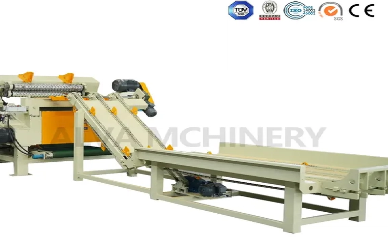
Creating a Safe Work Environment in Oriented Strand Board (OSB) Equipment Operations
1.Workplace Organization
A clean and organized workspace plays a significant role in preventing accidents in OSB equipment operations. Properly storing materials, tools, and components not only maximizes efficiency but also reduces the risk of accidents such as slips, trips, and falls. Ensuring that pathways and access points to machinery are clear of debris and obstacles is essential for maintaining safe working conditions. Additionally, organizing materials in designated areas and ensuring that workers can easily access the necessary tools helps reduce the chances of rushed movements or missteps that could lead to injury. A tidy, well-organized workspace promotes both safety and productivity by allowing workers to navigate the area with ease and confidence.
2.Personal Protective Equipment (PPE)
Personal Protective Equipment (PPE) is a crucial aspect of maintaining a safe work environment in OSB production. Requiring operators and maintenance staff to wear appropriate PPE, such as gloves, safety glasses, and hearing protection, is vital to protecting them from common hazards in the workplace. Gloves protect hands from sharp edges and splinters, safety glasses shield the eyes from flying debris, and hearing protection prevents long-term hearing damage caused by loud machinery. By enforcing the use of PPE, employers reduce the risk of injuries and ensure that workers are protected from the physical dangers inherent in OSB production, fostering a safer and more secure environment for all employees.
Technological Solutions for Safety in Oriented Strand Board (OSB) Equipment
1.Automation and Sensors for Hazard Detection
Sensors and automated systems can detect hazards such as equipment malfunctions or unsafe conditions in OSB production. For example, temperature and vibration sensors monitor machinery performance, triggering automatic responses like shutting down equipment or activating alarms when risks are detected. This rapid response minimizes accidents and enhances worker safety.
2.Remote Monitoring and Control
Remote monitoring allows operators to control and oversee OSB equipment from a safe distance. This reduces exposure to risks like moving parts or high temperatures. By using remote systems, operators can quickly identify issues and make adjustments without direct interaction, improving safety and operational efficiency.
FAQs (Frequently Asked Questions)
1.What are the key safety features to look for when selecting OSB equipment?
Key safety features to look for include machine guards, emergency stop buttons, and safety sensors. These ensure protection from moving parts, provide a quick shutdown in emergencies, and detect hazards to trigger automatic responses.
2.How often should OSB equipment undergo safety inspections?
OSB equipment should be inspected regularly, with detailed inspections every month and daily checks on critical safety features like emergency stops and machine guards. Routine inspections prevent malfunctions and reduce accident risks.
3.What steps should be taken if a worker notices a safety hazard while operating OSB equipment?
If a hazard is noticed, the worker should stop operations immediately, report the issue, and shut down the equipment. They should follow emergency protocols and ensure the hazard is addressed before resuming work.
4.How can operators be encouraged to follow safety protocols consistently?
Operators can be encouraged through regular training, safety drills, and fostering a safety-first culture. Continuous education and leadership commitment ensure operators prioritize safety in their daily tasks.
Conclusion
Ensuring safety in OSB equipment operations is essential for protecting workers and maintaining smooth production. By selecting equipment with key safety features, conducting regular safety inspections, and implementing proactive measures, manufacturers can significantly reduce the risk of accidents. Operator training and a strong safety culture are also critical in encouraging consistent adherence to safety protocols. Through these practices, companies can create a safer work environment, prevent costly accidents, and improve overall efficiency. Safety should always be a top priority to ensure both the well-being of employees and the long-term success of OSB production operations.

 English
 العربية
 Français
 Русский
 Español
 Português
 Deutsch
 italiano
 日本語
日本語 한국어
한국어 Nederlands
 Tiếng Việt
 ไทย
ไทย Polski
 Türkçe
 አማርኛ
አማርኛ ພາສາລາວ
 ភាសាខ្មែរ
 Bahasa Melayu
 ဗမာစာ
ဗမာစာ தமிழ்
தமிழ் Filipino
 Bahasa Indonesia
 magyar
 Română
 Čeština
 Монгол
 қазақ
қазақ Српски
 हिन्दी
 فارسی
فارسی Kiswahili
 Slovenčina
 Slovenščina
 Norsk
Norsk Svenska
 українська
 Ελληνικά
 Suomi
Suomi Հայերեն
 עברית
עברית Latine
 Dansk
Dansk اردو
اردو Shqip
Shqip বাংলা
বাংলা Afrikaans
 Māori
Māori অসমীয়া
 Беларуская мова
 Català


