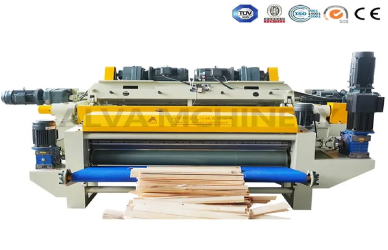
The wood panel industry plays a critical role in various sectors, particularly in construction, furniture making, and interior design. Among the different types of wood panels, Oriented Strand Board (OSB) has gained popularity due to its cost-effectiveness and versatile applications. However, traditional wood panel equipment used for plywood, MDF, and particleboard production has been the industry standard for years. In this article, we’ll compare Oriented Strand Board equipment with traditional wood panel equipment, examining key factors such as production processes, material versatility, efficiency, cost, and environmental impact. By understanding the strengths and limitations of each, manufacturers can make informed decisions about which equipment best suits their needs, ultimately helping them achieve greater efficiency, lower costs, and better-quality products.
Technology and Production Process Comparison in Oriented Strand Board (OSB) Equipment
1.OSB Equipment
OSB production uses specialized equipment for optimal material use and efficient production:
Stranders: These machines cut logs into thin wood strands and orient them in layers for strength and durability.
Presses: After resin application, hot presses compress the strands to bond them into solid panels.
Dryers: Strands are dried to the right moisture level to ensure proper bonding during pressing.
OSB equipment's main advantage is its ability to process smaller, less uniform wood pieces, reducing waste and making use of faster-growing trees. The process is energy-efficient and cost-effective compared to traditional wood panel production.
2.Traditional Wood Panel Equipment
Traditional equipment for plywood, MDF, and particleboard production involves different processes:
Plywood Production: Includes veneer peeling machines, hot presses, and sanders for creating layers of wood veneer, bonded with adhesive.
MDF Production: Uses fiber preparation systems, dryers, and presses to form dense panels from wood fibers and resin.
Particleboard Production: Involves wood chippers, drying systems, and presses to create panels from wood chips and resin.
Traditional equipment is more resource-intensive, relying on high-quality wood, fine fibers, or chips, and requires more energy and labor than OSB production. Each process results in distinct products with different applications.
Material Versatility and Performance in Oriented Strand Board (OSB) Equipment
1.OSB Equipment
OSB is widely used in construction, flooring, and wall panel applications due to its strength and cost-effectiveness.
Benefits: OSB is durable, strong, and well-suited for load-bearing applications such as flooring, roofing, and sheathing in building projects. It is also used for wall panels in both residential and commercial construction.
Cost-Effectiveness: Compared to plywood and MDF, OSB is typically more affordable, as it makes use of smaller, lower-grade wood pieces that would otherwise go unused. This makes it an economical choice for large-scale construction projects without compromising on strength or reliability.
2.Traditional Wood Panel Equipment
Traditional wood panel equipment produces plywood, MDF, and particleboard, each of which is known for its versatility in various industries:
Plywood: Known for its strength and durability, plywood is commonly used in applications requiring high structural integrity, such as furniture, cabinetry, and exterior siding.
MDF: Offers smooth, dense surfaces ideal for applications like furniture making, interior paneling, and decorative pieces. It’s favored for its fine finish and ease of machining.
Particleboard: Often used in furniture, cabinetry, and interior design, particleboard is lightweight and cost-effective but less durable than plywood or MDF.
In terms of performance, plywood is stronger and more durable than OSB, but OSB provides a more cost-effective alternative for many structural applications. MDF and particleboard excel in fine finishing and aesthetic appeal but may not offer the same load-bearing strength as OSB or plywood. Each material's choice depends on the specific needs of the project, such as strength, appearance, and cost considerations.
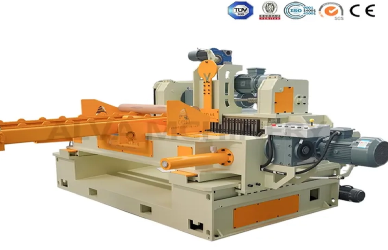
Production Speed and Efficiency in Oriented Strand Board (OSB) Equipment
1.OSB Equipment
OSB machinery is designed for faster production cycles and higher output, thanks to its efficient processes.
Faster Production Cycles: OSB equipment, including stranders, presses, and dryers, operates at high speeds, enabling the production of large quantities of panels quickly. The streamlined process reduces time spent on material preparation and bonding, leading to faster overall production.
Energy Efficiency and Material Optimization: OSB production is more energy-efficient compared to traditional wood panels. It optimizes raw material use, reducing waste by using smaller, less uniform wood pieces. The use of advanced drying and pressing technologies also minimizes energy consumption, making the process more cost-effective.
2.Traditional Wood Panel Equipment
Traditional wood panel equipment, such as machinery for plywood, MDF, and particleboard production, tends to require more time and energy.
Plywood, MDF, and Particleboard Production: The production of plywood, MDF, and particleboard involves more complex steps, including veneer peeling, fiber preparation, and more time-consuming drying and pressing. These steps often result in longer production cycles.
Bottlenecks and Inefficiencies: Traditional processes can face bottlenecks, particularly in stages like drying and pressing, where energy consumption is high. The need for uniform, high-quality raw materials also adds complexity, leading to inefficiencies and increased production costs.
Overall, OSB equipment offers faster production and better energy efficiency compared to traditional wood panel machinery, making it a more efficient choice for large-scale and cost-sensitive applications.
1.OSB Equipment
The cost structure of OSB equipment is generally more affordable compared to traditional wood panel machinery.
Initial Investment: The initial investment in OSB equipment is typically lower than for equipment used in plywood, MDF, or particleboard production, due to the simpler processing needs and fewer raw material requirements.
Maintenance and Operational Costs: OSB equipment tends to have lower maintenance costs, as it is less complex and has fewer moving parts compared to traditional machinery. Operational costs are also lower, primarily because OSB production uses smaller, lower-grade wood materials that would otherwise go to waste.
Cost Savings: OSB equipment offers significant savings in raw materials, as it can process wood strands that are less uniform and lower quality. Additionally, its energy-efficient systems, such as optimized drying and pressing, reduce overall energy consumption, further cutting production costs.
2.Traditional Wood Panel Equipment
Traditional wood panel production, such as plywood, MDF, and particleboard, involves higher operational costs.
Labor and Raw Material Waste: These processes often require higher labor costs due to the complexity of handling high-quality materials, such as veneer sheets or fine wood fibers. Additionally, raw material waste is more significant, as these products require more uniform, high-grade wood, leading to higher material costs.
Energy Consumption: The production of plywood, MDF, and particleboard typically requires more energy, especially in the drying and pressing stages. These stages are time-consuming and energy-intensive, leading to higher utility costs.
Cost-Effectiveness for Specific Applications: While traditional wood panel equipment is more expensive to operate, it is still cost-effective for producing high-end products like furniture-grade plywood or custom MDF panels, where performance, strength, and aesthetics are critical.
Environmental Impact in Oriented Strand Board (OSB) Equipment
1.OSB Equipment
OSB production is more sustainable compared to traditional wood panel manufacturing:
Material Sourcing: OSB uses low-grade, fast-growing trees and wood strands that would otherwise go unused, reducing the reliance on high-quality timber and promoting sustainable forestry.
Waste Reduction and Recycling: OSB mills recycle wood chips, shavings, and sawdust into the production process, minimizing waste.
Environmental Footprint: OSB has a lower carbon footprint than plywood or MDF, with a less energy-intensive production process and reduced deforestation concerns.
2.Traditional Wood Panel Equipment
Traditional wood panel production faces greater environmental challenges:
Raw Material Sourcing: Plywood and MDF require high-quality, slow-growing timber, contributing to deforestation and environmental strain.
Energy Consumption and Waste: These processes are more energy-intensive, generating higher emissions and leaving more wood waste.
Opportunities for Sustainability: Sustainability can be improved by using more sustainable sourcing practices, energy-efficient production technologies, and increasing the use of recycled wood.
FAQs (Frequently Asked Questions)
1.What is the role of quality control in wood-based panel machinery?
Quality control ensures that wood-based panel machinery operates efficiently and accurately during production. It helps guarantee that the final products meet the required quality standards, ensuring consistency, performance, and reliability throughout the manufacturing process.
2.How does automated quality control in wood-based panel machinery work?
Automated quality control systems use sensors, vision inspection, and real-time data analysis to monitor every stage of production. These systems detect and correct potential quality issues promptly, helping maintain consistent product quality and minimizing defects.
3.What are the key quality standards for wood-based panel products?
Key quality standards include international certifications like ISO 9001, environmental certifications such as FSC, and industry-specific performance criteria like density, thickness, and surface smoothness. These standards ensure that wood-based panels meet global quality and environmental benchmarks.
4.How does quality control improve the durability and aesthetic appeal of wood-based panels?
Quality control ensures that raw materials, production processes, and equipment settings meet high standards, resulting in stable, durable panels. It also ensures consistent appearance and quality, meeting market demands for both durability and aesthetics.
Conclusion
Quality control plays a crucial role in ensuring the efficiency, consistency, and performance of wood-based panel machinery. By utilizing automated systems, manufacturers can detect and address potential quality issues in real time, ensuring that the final products meet the highest standards. Adhering to established quality standards, such as ISO certifications and industry-specific criteria, guarantees that wood-based panels are durable, reliable, and aesthetically appealing. Ultimately, effective quality control not only enhances the production process but also ensures that the final panels meet customer expectations and industry demands, contributing to long-term success and sustainability in wood-based panel manufacturing.

 English
 العربية
 Français
 Русский
 Español
 Português
 Deutsch
 italiano
 日本語
日本語 한국어
한국어 Nederlands
 Tiếng Việt
 ไทย
ไทย Polski
 Türkçe
 አማርኛ
አማርኛ ພາສາລາວ
 ភាសាខ្មែរ
 Bahasa Melayu
 ဗမာစာ
ဗမာစာ தமிழ்
தமிழ் Filipino
 Bahasa Indonesia
 magyar
 Română
 Čeština
 Монгол
 қазақ
қазақ Српски
 हिन्दी
 فارسی
فارسی Kiswahili
 Slovenčina
 Slovenščina
 Norsk
Norsk Svenska
 українська
 Ελληνικά
 Suomi
Suomi Հայերեն
 עברית
עברית Latine
 Dansk
Dansk اردو
اردو Shqip
Shqip বাংলা
বাংলা Afrikaans
 Māori
Māori অসমীয়া
 Беларуская мова
 Català


