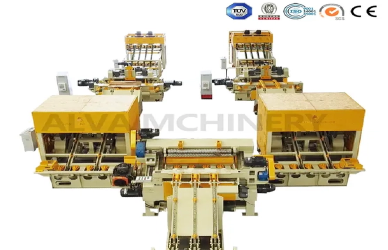
Wood-based panel machinery plays a crucial role in the production of various wood-based panels such as plywood, MDF (Medium Density Fiberboard), particleboard, and OSB (Oriented Strand Board). These panels are essential materials used across a wide range of industries, including construction, furniture manufacturing, and interior design. The machinery involved in producing these panels is diverse, with each type specifically designed to cater to the unique needs of different panel production processes. Understanding the different types of wood-based panel machinery is vital for manufacturers looking to optimize production efficiency, product quality, and cost-effectiveness. This article will explore the various types of machinery used in wood panel production, their key features, and how to choose the right equipment for specific production needs. Whether you're producing plywood or OSB, selecting the appropriate machinery is essential for achieving high-quality panels and maintaining competitive edge in the market.
Types of Wood-Based Panel Machinery
Wood-based panel machinery is specifically designed to produce different types of panels that serve a wide range of applications in construction, furniture making, and other industries. Each type of panel—whether plywood, MDF, particleboard, or OSB—requires specialized machinery tailored to its unique production process. Below, we explore the machinery used in the production of various wood-based panels.
1.Plywood Production Machinery
Plywood production involves several key steps, and the machinery required ensures the precision and quality of the final product.
Veneer Peeling Machines: These machines are responsible for peeling logs into thin veneers, which are then used to make the layers of plywood. Veneer peeling machines ensure uniform thickness and high-quality veneer for optimal bonding in the final product.
Hot Presses: After the veneers are arranged in layers, hot presses are used to bond them together under heat and pressure. This process is crucial for achieving strong, durable plywood with consistent thickness and smooth surfaces.
Sanding Machines: Sanding machines are used to smooth the surface of the plywood, ensuring a smooth, uniform finish before further processing or finishing. These machines also help remove imperfections on the surface, improving the panel’s aesthetic appeal.
2.MDF (Medium Density Fiberboard) Machinery
MDF production involves breaking down wood fibers into fine particles and re-bonding them into a solid panel. The machinery involved in this process includes:
Fiber Preparation Systems: These systems break wood chips into fibers and prepare them for bonding. The fibers are mixed with resin and other additives before being processed into the final board.
Dryers: After the fibers are mixed with resin, they are dried to reduce moisture content, which is essential for ensuring strong bonding and optimal panel density.
Hot Presses: Similar to plywood production, hot presses in MDF production help form the panel by applying heat and pressure to the resin-bonded fibers, creating a solid, dense board.
3.Particleboard Machinery
Particleboard is produced by compressing wood particles or chips into panels. The machinery used includes:
Wood Chipper Machines: These machines break down larger pieces of wood into smaller, uniform chips or particles, which are then used as the base material for particleboard.
Drying Systems: Particleboard production requires wood particles to be dried to an optimal moisture level before they are bonded together. Drying systems ensure that excess moisture is removed, allowing for proper bonding and preventing issues like warping or weak boards.
Pressing Machines: After the wood particles are mixed with resin, pressing machines compact the material into panels under high pressure and temperature. These machines are key to achieving the correct density and strength in the final product.
4.OSB (Oriented Strand Board) Machinery
OSB production involves large strands of wood that are oriented in layers and bonded together with resin. The machinery involved includes:
Stranders: These machines cut logs into long, thin strands, which are then oriented in layers to form the base structure of OSB. The strands are placed in a specific orientation to maximize the strength of the final panel.
Dryers: Like other wood-based panel production processes, OSB requires drying to remove excess moisture from the wood strands, ensuring proper bonding with the resin.
Hot Presses: After the strands are oriented and bonded with resin, hot presses apply heat and pressure to compress the strands into solid panels. This process ensures that the OSB is durable and has the necessary strength for various applications.
5.Other Specialized Panel Machinery
Apart from the major types of wood-based panels, there are also specialized machines used for producing panels such as Laminated Veneer Lumber (LVL), hardboard, and softboard:
LVL Machinery: LVL production involves bonding layers of thin wood veneers together with adhesives to create strong, uniform panels used in structural applications. The machinery required includes veneer drying systems, presses, and cutting machines.
Hardboard Machinery: Hardboard is made from wood fibers that are bonded together under high pressure and heat. The machinery for hardboard production includes fiber refining systems, hot presses, and sanding equipment.
Softboard Machinery: Softboard is a lightweight panel material made from wood fibers compressed into a soft, pliable panel. The machinery used includes fiber preparation systems, drying units, and presses.
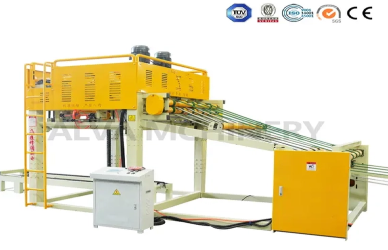
Key Features of Wood-Based Panel Machinery
1.Automation and Efficiency
Automation has greatly enhanced production efficiency and reduced labor costs in the wood-based panel industry. Automated systems streamline processes such as feeding, sorting, and pressing, allowing for continuous, high-speed operation with minimal human intervention. This reduces errors and improves throughput, enabling manufacturers to meet higher demand while cutting labor costs, resulting in significant productivity gains.
2.Precision and Customization
Precise machinery is crucial for ensuring consistent panel quality. Advanced technologies like CNC and laser-guided systems enable high precision in panel production, ensuring uniform thickness, density, and surface smoothness. This precision helps meet both industry standards and specific customer requirements, reducing defects and offering more customization options for unique panel specifications, dimensions, or finishes.
3.Sustainability and Environmental Impact
Modern wood-based panel machinery focuses on sustainability by reducing waste and improving energy efficiency. Automated systems optimize material use, minimizing offcuts and waste. Additionally, energy-efficient features like low-consumption motors and heat recovery systems reduce overall energy usage. These practices help manufacturers lower costs while contributing to environmental conservation and more sustainable production.
Choosing the Right Wood-Based Panel Machinery
1.Factors to Consider
When selecting wood-based panel machinery, several key factors should be carefully evaluated to ensure the equipment meets production needs effectively.
Production Capacity: Consider the required output volume. Machinery must be able to handle the expected production load while maintaining efficiency and quality. High-capacity machines are necessary for large-scale operations, while smaller businesses may opt for more compact solutions.
Material Types: Different types of wood-based panels (plywood, MDF, OSB, etc.) require specialized machinery. It's essential to choose equipment designed for the specific material and panel type being produced to ensure optimal performance and quality.
Panel Specifications: The desired thickness, surface finish, and density of the panels should also guide machinery selection. Some machinery offers customization options to meet unique specifications, providing flexibility in production.
2.Cost vs. Benefit
Balancing machinery costs with long-term production benefits is crucial for any manufacturer.
Initial Investment vs. Long-Term Savings: While high-end machinery may come with a higher initial cost, it often results in greater efficiency, lower energy consumption, and fewer maintenance needs in the long run. The investment in quality machinery can reduce operating costs, enhance productivity, and lower the risk of defects or rework.
Productivity and Quality: Choosing machinery that maximizes production efficiency and consistently produces high-quality panels will lead to better product output, fewer errors, and more satisfied customers. High-quality machinery can increase overall production capacity and reduce downtime.
Maintenance Requirements: Consider the ongoing maintenance needs of the machinery. Machines with higher reliability and lower maintenance requirements may justify a higher upfront cost, as they lead to fewer interruptions and reduced repair expenses over time.
FAQs (Frequently Asked Questions)
1.What are the main differences between the machinery used for plywood and MDF production?
Plywood production machinery focuses on handling thin wood veneers, using veneer peeling machines, hot presses, and sanding equipment. MDF machinery processes wood fibers, requiring fiber preparation systems, dryers, and presses. The main difference lies in the materials: plywood uses layers of wood, while MDF uses wood fibers, leading to different equipment needs.
2.How can automation in wood-based panel machinery improve production efficiency?
Automation reduces manual labor by handling tasks like feeding, sorting, and pressing at higher speeds and with greater precision. This reduces errors, increases production speed, and ensures consistency, leading to higher output, lower operational costs, and less downtime.
3.What factors should be considered when selecting wood-based panel machinery for a new production line?
Key factors include:
Material Types: Ensure machinery matches the type of wood-based panel being produced.
Production Capacity: Choose machinery that meets output requirements.
Space Constraints: Ensure the machinery fits within the available facility space.
Budget: Balance initial cost with long-term efficiency and maintenance.
4.How often should wood-based panel machinery be maintained, and what is involved in regular upkeep?
Maintenance frequency depends on machine use, but regular upkeep includes cleaning, lubrication, part replacements, and inspections. Key components like motors and presses should be checked to prevent breakdowns. Regular maintenance reduces downtime, avoids costly repairs, and ensures long-term efficiency.
Conclusion
Selecting the right wood-based panel machinery is crucial for achieving high-quality production and operational efficiency. By understanding the unique requirements of different types of machinery, such as those for plywood, MDF, or particleboard production, manufacturers can choose the equipment that best fits their production needs. Automation has revolutionized the industry by increasing speed, consistency, and reducing labor costs, while precision and customization ensure that panels meet exact specifications. Additionally, considering factors like material types, production capacity, and budget is essential to making an informed machinery selection. Proper maintenance plays a vital role in extending the lifespan of equipment and preventing costly disruptions. Ultimately, investing in the right machinery, backed by efficient quality control and regular upkeep, will enhance productivity, product quality, and long-term business success in the wood-based panel industry.

 English
 العربية
 Français
 Русский
 Español
 Português
 Deutsch
 italiano
 日本語
日本語 한국어
한국어 Nederlands
 Tiếng Việt
 ไทย
ไทย Polski
 Türkçe
 አማርኛ
አማርኛ ພາສາລາວ
 ភាសាខ្មែរ
 Bahasa Melayu
 ဗမာစာ
ဗမာစာ தமிழ்
தமிழ் Filipino
 Bahasa Indonesia
 magyar
 Română
 Čeština
 Монгол
 қазақ
қазақ Српски
 हिन्दी
 فارسی
فارسی Kiswahili
 Slovenčina
 Slovenščina
 Norsk
Norsk Svenska
 українська
 Ελληνικά
 Suomi
Suomi Հայերեն
 עברית
עברית Latine
 Dansk
Dansk اردو
اردو Shqip
Shqip বাংলা
বাংলা Afrikaans
 Māori
Māori অসমীয়া
 Беларуская мова
 Català


