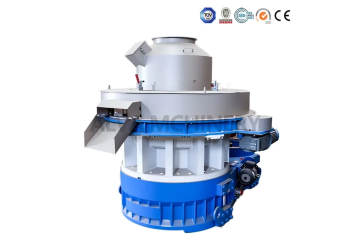
As the world faces increasingly urgent challenges related to climate change, businesses and industries must find sustainable ways to address energy consumption and waste management. Among the most effective solutions is the use of Biomass Pellet Equipment. These machines play a critical role in converting organic materials—such as wood, agricultural residues, and other biomass waste—into high-energy biomass pellets. This renewable energy source offers a sustainable alternative to traditional fossil fuels, contributing to reduced carbon footprints and more eco-friendly business operations.
The demand for biomass pellets has grown substantially in recent years, driven by the global shift towards cleaner, renewable energy sources. Biomass pellets are used in various industries, including heating, power generation, and even animal bedding. By turning waste materials into a valuable fuel source, Biomass Pellet Equipment not only helps businesses reduce their waste but also enables them to make use of renewable resources that are both cost-effective and sustainable. In this article, we’ll explore the numerous benefits of biomass pellet equipment and why it is essential for businesses that want to enhance their sustainability efforts.
What is Biomass Pellet Equipment?
Biomass Pellet Equipment refers to the machinery used to convert organic materials—like sawdust, wood chips, and agricultural residues—into compact, uniform pellets. These pellets can then be used as a renewable energy source for heating, electricity generation, or industrial processes. The equipment typically consists of several components: a pellet mill that compresses the organic material into pellets, a drying system that removes excess moisture, and a cooling system that ensures the pellets are stable and safe for storage.
The process of creating biomass pellets from raw materials offers several advantages, including reducing waste, providing a renewable energy source, and contributing to environmental sustainability. Biomass pellet equipment enables businesses to repurpose organic waste that would otherwise end up in landfills, helping to conserve valuable resources and reduce environmental impact.
Why Biomass Pellet Equipment is Essential for Sustainability
1. Reduction of Greenhouse Gas Emissions
Biomass pellets are considered carbon-neutral. This is because the carbon dioxide released when the pellets are burned is equivalent to the carbon dioxide absorbed by the plants during their growth cycle. Unlike fossil fuels, which release carbon that has been stored underground for millions of years, biomass does not contribute to the net increase in atmospheric CO2. This makes it a more sustainable energy source that helps reduce greenhouse gas emissions and combat climate change.
The widespread use of Biomass Pellet Equipment for pellet production plays a pivotal role in creating a sustainable energy system. By producing renewable energy from organic waste, businesses can help lower the overall carbon footprint and contribute to a greener, more sustainable future.
2. Waste Reduction and Repurposing
Another key benefit of Biomass Pellet Equipment is its ability to reduce waste. In many industries, wood residues, agricultural by-products, and other organic materials are often discarded as waste or burned inefficiently. This contributes to pollution and the inefficient use of valuable resources. With Biomass Pellet Equipment, these materials can be transformed into high-quality biomass pellets that can be used as fuel for heating or power generation.
Instead of allowing organic waste to pile up in landfills or be incinerated in an environmentally harmful manner, businesses can repurpose it into a renewable and usable resource. This not only reduces the amount of waste sent to landfills but also helps lower the environmental impact of waste disposal practices.
3. Economic Benefits and Cost Savings
The use of Biomass Pellet Equipment offers several economic benefits for businesses. By converting waste materials into biomass pellets, companies can create their own fuel source, reducing their reliance on expensive fossil fuels. This is particularly beneficial for industries that require large amounts of energy, such as manufacturing, agriculture, and heating.
Furthermore, Biomass Pellet Equipment is a long-term investment that can lead to significant cost savings. While the initial investment in pellet equipment may seem high, the savings on energy costs over time can offset the expense. Additionally, businesses can sell any excess biomass pellets they produce, creating an additional revenue stream.
4. Sustainable Alternative to Fossil Fuels
One of the most significant advantages of Biomass Pellet Equipment is that it offers a sustainable alternative to traditional fossil fuels like coal, oil, and natural gas. These conventional energy sources are finite and contribute significantly to environmental pollution and climate change. In contrast, biomass is a renewable energy source that can be replenished continuously as plants grow and organic materials are produced.
Biomass pellets are an effective way to replace fossil fuels, providing clean energy that can be used for heating, electricity generation, and industrial processes. By shifting to biomass energy, businesses can reduce their dependence on non-renewable resources and contribute to the global effort to transition to sustainable energy systems.
5. Improving Energy Security
The use of locally sourced biomass pellets also improves energy security. By relying on locally produced biomass, businesses can reduce their dependence on imported fuels and ensure a more stable and reliable energy supply. This is especially important in regions where access to fossil fuels may be limited or subject to price fluctuations.
Biomass Pellet Equipment enables businesses to create a local, renewable energy source that is both sustainable and cost-effective. By investing in biomass pellet production, companies can improve their energy security and reduce their vulnerability to global energy market disruptions.
6. Versatility in Applications
Biomass Pellet Equipment has a wide range of applications across various industries. The biomass pellets produced can be used in industrial boilers, residential heating systems, power plants, and even in the transportation sector as an alternative fuel. The versatility of biomass pellets makes them a key player in many different sectors that are seeking to reduce their reliance on fossil fuels and adopt cleaner, more sustainable energy practices.
Biomass pellets can also be used for animal bedding, in horticulture as a soil amendment, or even for creating bioplastics, further expanding their value and application in a variety of industries.
How to Choose the Right Biomass Pellet Equipment
When selecting Biomass Pellet Equipment for your business, there are several factors to consider to ensure you are getting the best possible solution for your needs:
1. Type of Biomass Material
Different types of biomass materials require different pelletization processes. For example, wood chips, agricultural waste, and sawdust each have different properties and may require specialized equipment. Consider the type of biomass you plan to use and ensure the equipment you select is compatible with those materials.
2. Pellet Production Capacity
The production capacity of Biomass Pellet Equipment is another crucial factor to consider. Depending on the scale of your operation, you may need equipment that can handle large volumes of biomass or smaller, more efficient machines for lower production rates. Make sure the equipment you choose meets your business’s capacity requirements.
3. Energy Efficiency
Look for Biomass Pellet Equipment that is energy-efficient, as this will help reduce your operating costs in the long term. Energy-efficient machines consume less power, which translates to lower energy costs and a more sustainable production process.
4. Maintenance and Durability
Since pellet production involves high temperatures and pressure, the equipment you choose must be durable and built to withstand these conditions. Look for machines that require minimal maintenance and offer long-term reliability. Well-built equipment will result in less downtime and greater productivity over time.
Conclusion
Biomass Pellet Equipment plays a critical role in achieving sustainability by converting organic waste into a renewable and environmentally friendly energy source. By reducing greenhouse gas emissions, supporting local economies, and offering an alternative to fossil fuels, biomass pellets offer numerous benefits for businesses and communities looking to adopt cleaner energy practices.
Investing in Biomass Pellet Equipment not only contributes to a greener, more sustainable future but also helps businesses reduce costs and improve energy security. For those looking to enhance their sustainability efforts and take advantage of renewable energy, Biomass Pellet Equipment is an essential tool.
For companies seeking reliable and high-quality Biomass Pellet Equipment, Alva Machinery Co., Ltd. offers advanced solutions designed to meet your specific needs. With our expertise and state-of-the-art equipment, we can help you maximize the potential of biomass energy and contribute to a sustainable, eco-friendly future.
FAQ
Q: What materials can be processed by Biomass Pellet Equipment?
A: Biomass Pellet Equipment can process a variety of organic materials, including wood chips, sawdust, agricultural residues, and other biomass waste.
Q: How does Biomass Pellet Equipment contribute to sustainability?
A: It converts organic waste into biomass pellets, reducing reliance on fossil fuels, decreasing greenhouse gas emissions, and contributing to a more sustainable energy system.
Q: What factors should I consider when choosing Biomass Pellet Equipment?
A: Consider the type of biomass material you are using, the production capacity needed, energy efficiency, and the durability and maintenance requirements of the equipment.
Q: How do Biomass Pellet Equipment help reduce energy costs?
A: Biomass pellets are a cost-effective renewable energy source, and using biomass pellet equipment reduces reliance on expensive fossil fuels, resulting in lower overall energy costs.

 English
 العربية
 Français
 Русский
 Español
 Português
 Deutsch
 italiano
 日本語
日本語 한국어
한국어 Nederlands
 Tiếng Việt
 ไทย
ไทย Polski
 Türkçe
 አማርኛ
አማርኛ ພາສາລາວ
 ភាសាខ្មែរ
 Bahasa Melayu
 ဗမာစာ
ဗမာစာ தமிழ்
தமிழ் Filipino
 Bahasa Indonesia
 magyar
 Română
 Čeština
 Монгол
 қазақ
қазақ Српски
 हिन्दी
 فارسی
فارسی Kiswahili
 Slovenčina
 Slovenščina
 Norsk
Norsk Svenska
 українська
 Ελληνικά
 Suomi
Suomi Հայերեն
 עברית
עברית Latine
 Dansk
Dansk اردو
اردو Shqip
Shqip বাংলা
বাংলা Afrikaans
 Māori
Māori অসমীয়া
 Беларуская мова
 Català


