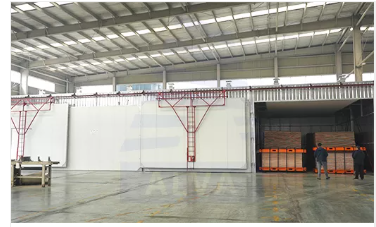
Upgrading from natural air drying to a commercial wood drying system is the highest-leverage investment your sawmill or furniture factory can make. Natural air drying leaves you vulnerable to unpredictable weather, long lead times, and inconsistent quality. Selecting the wrong commercial equipment, however, will easily bottleneck your entire production line.
Buyers often over-index on chamber size. They ignore the thermodynamic limits of the equipment itself. This mismatch leads to wasted energy, severe wood degradation like warping and casehardening, and massive hidden infrastructure costs. You need a system built specifically for your material output and daily operations.
This guide breaks down exactly how to evaluate different equipment technologies. You will learn how to match them to your specific wood species. We will also help you audit supplier quotations. By following these steps, you ensure you get a reliable system with transparent pricing and avoid costly installation surprises.
Key Takeaways
Capacity vs. Output: A larger kiln chamber doesn’t guarantee more throughput; actual output is dictated by the extraction rate of the dehumidification or heating unit.
Technology Matching: Dehumidification kilns offer the best balance of cost and efficiency for most operations, while vacuum kilns are strictly for high-value, thick hardwoods, and specialized equipment is required for thin materials (e.g., a veneer dryer).
The "Hidden Cost" Trap: Base quotes rarely include foundational concrete work, electrical capacity upgrades, or external boiler installations—budget an extra 20–30% for full deployment.
Control is Everything: Preventing drying defects requires automated systems capable of adjusting parameters based on real-time wood moisture, not just pre-set timers.
1. Defining Your True Capacity Requirements (Avoiding the Mismatch Trap)
Before you contact a supplier, you must define your actual processing capacity. Many factory owners make critical errors during this planning phase. They assume a larger physical chamber automatically equals more dried lumber per month. We call this the size illusion.
The Size Illusion
Buying a massive chamber is often a waste of capital. For example, many small operations try to repurpose 40-foot insulated reefer containers. A container this size can hold roughly 5,000 board feet of lumber. However, if the core dehumidifier or heating unit is only rated to extract moisture for 1,500 board feet of fast-drying wood, the extra space becomes useless.
You cannot fully load a massive chamber if the mechanical system cannot process the moisture output. A right-sized Wood Drying Kiln performs much better than an oversized box paired with an undersized compressor. Always match the cubic volume of the chamber directly to the daily water extraction limit of your hardware.
Species-Specific Yields
Different wood species release water at drastically different rates. You must evaluate your primary lumber types. Fast-drying softwoods like pine release massive volumes of water in the early stages of processing. If your system's extraction capacity is overwhelmed by this sudden humidity spike, mold will grow rapidly. You will also see severe surface checking.
Dense hardwoods like oak release moisture very slowly. They demand precise, long-term temperature holds rather than aggressive early extraction. Buy your equipment based on the most demanding species you plan to process regularly.
Space & Loading Logistics
How you move wood into the chamber dictates your daily labor costs. You must evaluate front-loading versus track-loading systems based on your factory footprint.
Track-Loading Systems: These require external rail tracks leading into the chamber. You load carts outside and push them in. They require double the linear floor space to accommodate the external tracks. They work best for high-volume, batch-processing sawmills.
Front-Loading Systems: Forklifts load the wood directly into the side or front doors. This requires a wide turning radius for your forklift but saves linear footprint. This setup suits mid-sized urban factories perfectly.
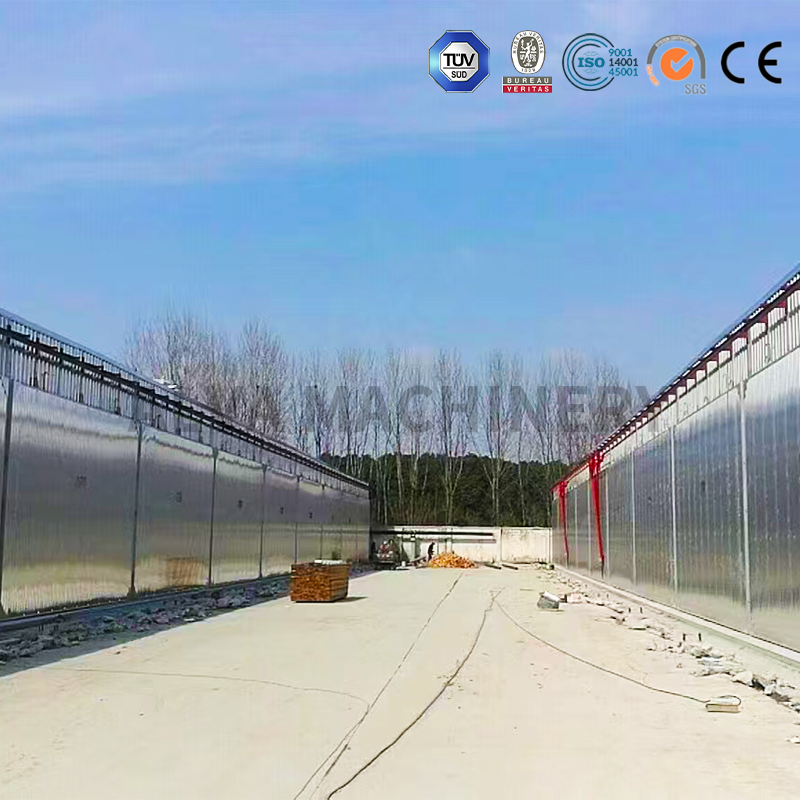
2. Comparing Core Wood Drying Kiln Technologies
Not all drying methods suit every business model. You must align the thermodynamic process of the equipment with your specific operational scale, budget, and material type.
Conventional (Steam/Hot Air) Kilns
Conventional systems represent the traditional industrial standard. They use steam pipes or direct hot air to heat the chamber. Fans then vent the hot, humid air outside. They work best for massive operations. If your sawmill already has a biomass or gas boiler on-site, conventional systems make logistical sense.
Implementation risk: They suffer from extremely high energy consumption. If your design lacks an optimized heat recovery system, you will literally vent your profits into the atmosphere.
Dehumidification (DH) Kilns
Dehumidification is the most practical choice for mid-sized factories. Instead of venting hot air, a DH system continuously recycles it. The warm, humid air passes over cold evaporator coils. The water condenses and drains away.
These units operate at lower core temperatures, typically between 95℉ and 100℉. This gentle heat preserves wood color and structural integrity. By recycling heat rather than venting it, DH units offer exceptional kiln efficiency. They consume electricity but generally cost much less to operate than gas-fired conventional systems.
Vacuum Kilns
Vacuum systems pull the atmospheric pressure down inside a sealed cylinder. Water boils at a much lower temperature in a vacuum. This physics trick results in ultra-fast drying time.
These systems carry a very high capital expenditure (CAPEX). Their physical capacity is usually limited. They are ideal for thick, dense hardwoods like oak slabs or custom table bases. In these cases, conventional processing takes months, whereas a vacuum system takes weeks or days.
Specialty Applications: Thin Materials
You cannot process thin materials in standard batch chambers. We must briefly distinguish a standard lumber chamber from a veneer dryer. Thin-sliced wood layers will warp, curl, and crack if left unsupported in a standard hot room. Veneer processing requires continuous feed systems. These machines use heavy rollers, hot-pressing plates, or jet-air impingement to keep fragile sheets flat and uniform.
Technology Comparison Chart
| Technology Type | Best Suited For | Energy Efficiency | CAPEX (Initial Cost) | Typical Processing Speed |
| Conventional (Steam) | Large mills with existing boilers | Low (unless heavily optimized) | Medium | Moderate |
| Dehumidification (DH) | Mid-sized furniture factories | Very High | Medium to Low | Moderate |
| Vacuum | Thick hardwood slabs, high-value wood | Moderate | Very High | Extremely Fast |
| Specialty (Veneer) | Thin sheets, plywood manufacturing | Moderate | High | Fast (Continuous feed) |
3. Precision Control Systems: Defeating the "3 Stages of Drying Stress"
Wood is highly hygroscopic. It absorbs and releases ambient water constantly. Heating wood too quickly causes violent structural failures. You need advanced control systems to manage the physical stress wood experiences as it loses water.
The Physics of Defects
To understand why wood cracks, you must understand the Fiber Saturation Point (FSP). FSP typically occurs around 28–30% wood moisture. Above this point, water sits loosely inside the cell cavities. Below this point, water starts leaving the actual cell walls. Once cell walls lose water, the wood physically shrinks.
Defects happen because wood does not shrink uniformly. The processing cycle creates three distinct stages of internal stress:
Stage 1 (Surface Below FSP): The outer shell of the lumber dries rapidly. Its moisture drops below 28%, and it tries to shrink. However, the inner core remains wet, swollen, and above FSP.
Stage 2 (Tension and Checking): The wet core physically prevents the dry shell from shrinking. This creates massive tension on the outer fibers. If temperatures are too high or humidity too low here, the surface fibers tear apart. This causes surface checking and end cracks.
Stage 3 (Core Shrinkage and Casehardening): Eventually, the core moisture drops below FSP. Now the core tries to shrink. But the outer shell has already dried, hardened, and set its final shape. The core is now under tension. If you do not relieve this stress, the wood becomes casehardened. It will violently bow or twist the moment a saw blade cuts into it.
Why Automated Schedules Matter
Cheap equipment uses rigid, timer-based schedules. You set a temperature for five days and hope for the best. This is incredibly risky. Environmental factors and initial lumber conditions change daily.
Industrial-grade systems utilize dynamic, automated schedules. They adjust temperature and relative humidity continuously based on live probe data. If the probes detect the core is holding too much water compared to the shell, the computer halts the temperature climb. It may even inject humidity to slow the shell drying down.
Essential Features to Look For
To safely navigate the three stages of stress, your equipment must feature specific hardware:
Variable Frequency Drive (VFD) Fans: Proper airflow sweeps moisture away from the wood surface uniformly. You must maintain an optimal air velocity of 2–3 m/s through the stacks. VFD fans let the computer speed up or slow down airflow as the lumber weight changes.
Built-in Water Spray and Steaming Systems: You must periodically recondition the wood. Injecting steam or micro-mist raises the chamber humidity quickly. This softens the outer shell, relieves internal tension, and completely prevents casehardening in Stage 3.
Reversible Airflow: Fans must reverse direction every few hours. If air only blows one way, the wood on the blowing side dries too fast, while the exhaust side stays damp.
4. Evaluating Chamber Quality and Kiln Efficiency
The mechanical parts do the heavy lifting, but the physical chamber protects your investment. The inside of a commercial chamber is one of the most hostile environments imaginable. It is hot, highly acidic, and saturated with humidity. Poor construction will literally rot your equipment from the inside out within three years.
Insulation Standards
You cannot maintain precise computer schedules if your walls leak heat. Demand a minimum R-value of 20 for the chamber walls and ceiling. Polyurethane injected foam panels generally offer the best performance. Proper insulation prevents massive heat loss. Furthermore, it prevents condensation inside the walls during freezing winter climates. Condensation inside panels leads to rapid structural failure and mold.
Corrosion Resistance
When certain woods heat up, they release natural acids. Tannic acid from oak is particularly aggressive. Never accept standard galvanized steel for your interior framing or fan housings. The acidic vapor will eat through galvanized coatings quickly.
Look strictly for marine-grade aluminum or high-grade stainless steel framing. While aluminum costs slightly more upfront, it extends the structural lifespan by decades. All interior fasteners and screws must also be premium stainless steel.
Energy Recovery
Operating a heating system 24 hours a day requires serious energy. Check if the supplier includes air-to-air heat exchangers in the design. When the system needs to exhaust damp air, heat exchangers capture the thermal energy from that outgoing air. They use it to pre-heat the fresh incoming air. This simple mechanical addition can reduce your overall fuel or electricity consumption by up to 15%.
Over a 10-year period, a 15% reduction in energy bills usually pays for the entire initial purchase price of the machine.
5. Exposing Hidden Costs in Supplier Quotations
Comparing quotes from different manufacturers is rarely straightforward. Many B2B buyers experience severe sticker shock during installation because they failed to spot exclusions in the initial contract.
The "Base Price" Illusion
Suppliers often advertise a deceptively low base price. This price typically includes the bare minimum: the compressor, heating coils, basic fans, and a simple control box. It frequently excludes the insulated chamber walls, heavy-duty insulated doors, moisture probes, and electrical wiring. Walk through every single line item with your sales representative. Ask explicitly what components you must source locally.
Infrastructure Costs
You must verify your factory's electrical grid can handle the startup load of the fans and compressors. If your local grid requires a transformer upgrade to support the new three-phase power draw, you could face thousands in unexpected utility fees.
Additionally, commercial chambers require perfectly level concrete foundations. Water must drain efficiently away from the structure. You must budget for local contractors to pour reinforced concrete pads and install floor drainage systems. These concrete and electrical infrastructure upgrades often add an extra 20–30% to your full deployment budget.
Lifespan & Warranties
A commercial system should have an expected lifespan of 15 to 20 years. However, the moving parts will wear out sooner if not maintained. Audit the warranty on core components closely.
Compressors: The heart of a DH system. Ensure they carry a multi-year commercial warranty.
PLC Controllers: The brain of the operation. Check if software updates are included for free.
Spare Parts: Verify the availability of local spare parts. If a VFD fan motor dies and you must wait six weeks for an overseas shipment, your production line halts completely.
Conclusion
Choosing the right commercial equipment is a strategic exercise. You must balance the physical drying properties of your specific wood species with your factory's electrical capacity and spatial realities. Ignoring the thermodynamic limits of the hardware or cheaping out on control systems will severely damage your final lumber product.
As a next step, do not accept generic promises from suppliers regarding processing speeds. Shortlist three reputable manufacturers. Ask each supplier for actual, historical drying curve data for your exact wood type and thickness. A trustworthy manufacturer will gladly show you real-world data logs demonstrating their control system's accuracy.
Finally, demand complete transparency. Reach out to your chosen manufacturer for a customized capacity assessment. Ask for a comprehensive quotation that exposes all necessary infrastructure and installation requirements. By demanding clarity upfront, you secure a reliable, high-performing system that will profitably scale your factory for decades.
FAQ
Q: How long does the average drying time take in a dehumidification kiln?
A: It depends entirely on your wood species, starting moisture content, and material thickness. Fast-drying softwoods like pine can reach target moisture levels in a few days. Conversely, dense, thick hardwoods like oak may take several weeks of gradual, controlled processing to avoid internal stress and cracking.
Q: Can I build my own kiln chamber and just buy the control unit?
A: Yes, DIY chambers are common for smaller operations looking to save shipping costs. You can construct a wooden box provided you meet strict R-20 insulation values and proper airflow geometry standards. However, commercial-scale operations usually require turnkey, factory-built solutions for optimal reliability and energy efficiency.
Q: What is the difference between a conventional kiln and a veneer dryer?
A: Conventional systems are batch-loaded, static chambers designed for thick, stacked lumber. A veneer dryer is typically a continuous-feed system utilizing hot-press plates or jet-air rollers. It is specifically engineered to keep very thin, fragile sliced wood layers perfectly flat while rapidly extracting moisture.

 English
 العربية
 Français
 Русский
 Español
 Português
 Deutsch
 italiano
 日本語
日本語 한국어
한국어 Nederlands
 Tiếng Việt
 ไทย
ไทย Polski
 Türkçe
 አማርኛ
አማርኛ ພາສາລາວ
 ភាសាខ្មែរ
 Bahasa Melayu
 ဗမာစာ
ဗမာစာ தமிழ்
தமிழ் Filipino
 Bahasa Indonesia
 magyar
 Română
 Čeština
 Монгол
 қазақ
қазақ Српски
 हिन्दी
 فارسی
فارسی Kiswahili
 Slovenčina
 Slovenščina
 Norsk
Norsk Svenska
 українська
 Ελληνικά
 Suomi
Suomi Հայերեն
 עברית
עברית Latine
 Dansk
Dansk اردو
اردو Shqip
Shqip বাংলা
বাংলা Afrikaans
 Māori
Māori অসমীয়া
 Беларуская мова
 Català


