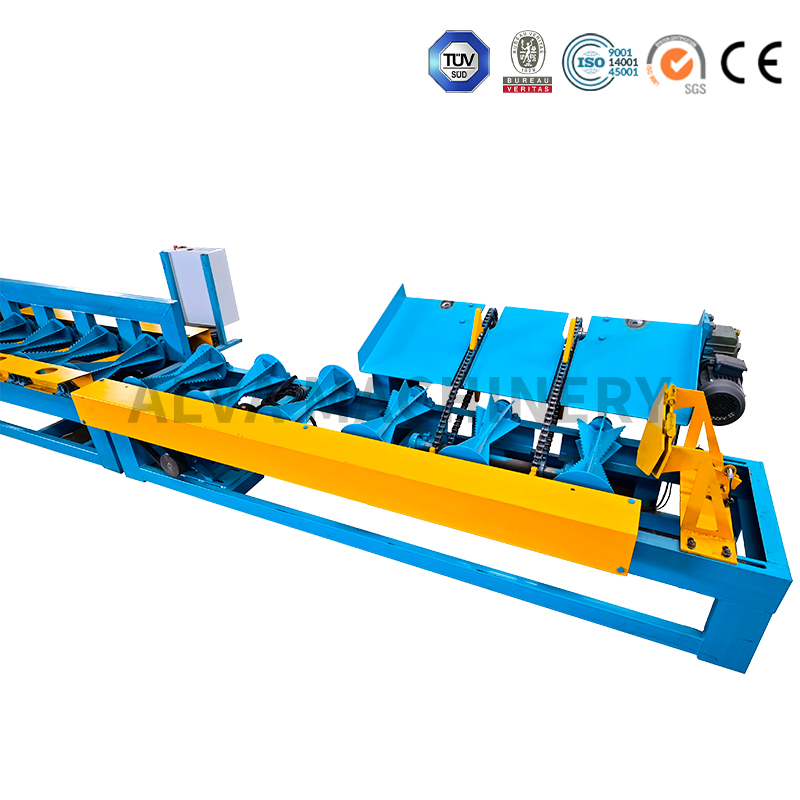
Manual or poorly integrated material handling creates severe operational bottlenecks. It stands as the leading cause of throughput limits in modern timber processing. Inefficient workflows steadily erode profit margins across furniture manufacturing facilities. You simply cannot rely on manual labor or forklifts to keep pace safely. Upgrading to an industrial Wood Conveyor Machine is not just about moving parts from one station to another. It is about synchronizing infeed rates directly with processing machinery. This vital synchronization eliminates expensive machine idle time.
We designed this guide to support operations managers and procurement teams. You need a clear, evidence-based framework for evaluating these complex systems. Throughout this article, we will show you how to select and implement the right equipment. You will learn how to match system specifications to your exact production realities. Discover how replacing outdated handling methods transforms your facility into a highly efficient, synchronized operation.
Key Takeaways
Properly integrated wood conveyor machines can reduce labor dependency and stabilize production rates by standardizing automated feeding.
Evaluation must prioritize environmental durability (wood dust resistance) and load-bearing capacity over base acquisition cost.
Successful implementation requires assessing the footprint, existing CNC/saw line integration, and ongoing maintenance realities.
Selecting the right vendor involves analyzing compliance history, custom engineering capabilities, and aftermarket support.
Diagnosing Material Handling Bottlenecks in Wood Processing
Defining the True Cost of Manual Handling
Relying on forklifts and physical labor introduces massive cycle time variances. Workers move at different speeds throughout a shift. Fatigue naturally slows down production rates by the afternoon. This variance makes it impossible to establish precise takt times. Manual material handling also introduces serious safety liabilities. Heavy timber loads easily shift during forklift transit. Dropped materials cause immediate product damage and threaten worker safety. The true cost of manual handling goes beyond payroll. It includes worker compensation claims, damaged raw materials, and underutilized processing equipment waiting for the next batch.
Identifying Equipment Mismatches
Many facilities try to repurpose generic logistics equipment for wood processing. These mismatches fail quickly under harsh industrial conditions. Standard motors suffer immense strain when pulling heavy, wet logs. Generic rubber belts degrade rapidly when exposed to sharp splinters and sticky wood resins. Furthermore, standard bearings clog quickly in high-dust environments. A generic system might look functional on paper, but it will cause constant micro-stops on the floor. When conveyors jam, entire production lines grind to a halt. Identifying these equipment mismatches early prevents catastrophic failures.
Success Criteria for Upgrades
You must define what a successful deployment looks like before purchasing new equipment. A successful upgrade guarantees consistent material flow. The system must eliminate localized dust accumulation around drive components. Processing machines should never wait for materials. The system must meet or exceed your target takt times. Furthermore, safety incidents related to material movement should drop to zero. When you outline these criteria clearly, you can hold vendors accountable during the evaluation phase.
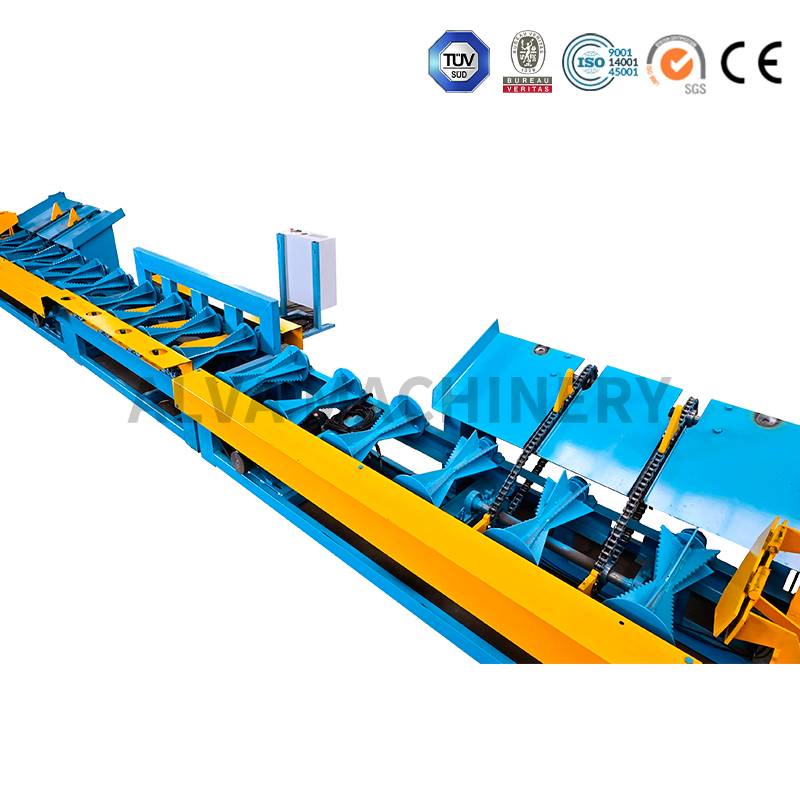
Matching the Wood Conveyor Machine to Your Production Line
Chain and Flight Conveyors
Raw materials demand rugged equipment. Chain and flight conveyors excel at moving heavy logs and raw timber. These systems offer extreme impact resistance. They withstand the shock of heavy logs dropping onto the line. Chain systems provide the necessary high torque to move massive loads up steep inclines. The steel flights drag heavy materials reliably through harsh outdoor or semi-indoor environments. If you process raw logs, this system serves as the foundational backbone of your facility.
Roller Conveyors (Gravity & Powered)
Roller conveyors are ideal for finished or semi-finished boards. They move panels efficiently without scratching delicate surfaces. Powered roller systems feature intelligent zoning capabilities. This allows for zero-pressure accumulation. Boards can queue up before entering a CNC router without pushing into one another. Gravity rollers offer a simple solution for moving lightweight panels down slight inclines. Combining powered and gravity rollers creates a flexible network for internal plant logistics.
Belt Conveyors (Cleated & Flat)
Bulk materials require specialized containment. Flat belt conveyors move wood chips, sawdust, and small offcuts efficiently. Cleated belts provide extra grip for moving waste materials up steep inclines into hoppers. High-quality belts resist resin buildup and physical tearing. These systems play a critical role in waste management. Keeping waste materials moving prevents dangerous dust accumulation around primary cutting stations.
Automated Feeding Systems
High-speed manufacturing requires precision loading. You cannot maximize CNC output if operators manually load each panel. Specialized incline conveyors and vacuum-assisted lifters bridge the gap between storage stacks and processing machines. They standardize automated feeding to keep machinery running constantly. Automated systems position boards perfectly every time. This eliminates micro-stops and drastically reduces operator fatigue. The continuous feed directly increases the daily output of your most expensive processing equipment.
Conveyor Type Comparison Chart
Use this chart to match equipment types to your specific operational needs.
| Conveyor Type | Best Suited For | Key Advantage | Common Application |
| Chain and Flight | Raw logs, heavy timber | High impact resistance | Primary breakdown mills |
| Roller (Powered) | Finished panels, boards | Zero-pressure accumulation | Routing and sanding lines |
| Belt (Cleated) | Wood chips, sawdust | Incline transport capacity | Waste management hoppers |
| Vacuum/Infeed | Delicate sheets, MDF | Precision alignment | CNC machine loading |
Evaluation Criteria: Performance, Scalability, and Compliance
Drive and Motor Specifications
Calculating required motor torque demands careful attention. Base your calculations on peak load scenarios, never just the average load. Wet lumber weighs significantly more than kiln-dried wood. If a line accumulates too much wet material, an under-specified motor will burn out immediately. You must ensure the drive system can handle the absolute maximum weight capacity at full speed. Robust drive specifications prevent sudden line failures during your busiest production shifts.
Debris Mitigation and Dust Control
Wood dust acts as an abrasive and an insulator. It destroys exposed bearings and overheats motors. Evaluate the machine for self-cleaning features. Look for sealed bearings and enclosed drive tracks. Furthermore, the conveyor must integrate smoothly into centralized dust extraction systems. Combustible dust compliance is non-negotiable. Adhering to ATEX and OSHA standards protects your facility from catastrophic fire risks. Never compromise on environmental durability.
Scalability and Modular Design
Manufacturing facilities evolve constantly. Your new system must accommodate future growth. Assess whether the design allows for easy line extensions. Modular frames let you add curves, merges, or diverts later. A rigid, custom-welded system limits future flexibility. You might eventually want to integrate robotic palletizers at the end of the line. A modular setup ensures you can adapt without ripping out the entire installation.
Control Systems Integration
Modern conveyors require advanced digital controls. Variable Frequency Drives (VFDs) control motor speeds precisely. They allow the conveyor to speed up or slow down based on downstream machinery needs. Programmable Logic Controllers (PLCs) manage complex routing logic. The equipment must offer seamless communication with your Manufacturing Execution Systems (MES). When the systems talk to each other, you achieve true factory-wide synchronization.
Best Practices for Control Integration:
Specify open-source PLC protocols to avoid vendor lock-in.
Install sensors at critical accumulation points to trigger automatic shutoffs.
Ensure VFD enclosures meet high IP ratings to block fine sawdust.
Implementation Realities: Rollout Risks and Maintenance
The Integration Reality Check
Physical facility constraints often complicate installations. You must address layout challenges early. Elevation changes require specific incline conveyors. Structural supports must handle the dynamic load of moving timber. You will likely need to route the system around existing pillars, dust collection pipes, and walkways. Careful 3D modeling of your facility prevents costly surprises during the physical rollout. Measure twice, build once.
Adoption Risks & Training
Operators face a learning curve when transitioning to automated workflows. They can no longer just push materials by hand. You must implement comprehensive training programs. Operators need to learn safe jam-clearing procedures. They must understand safety lockout/tagout protocols completely. Everyone on the floor needs to know the exact locations of emergency stops. Poor training leads to dangerous workarounds. A well-trained team ensures the system operates at peak efficiency.
Predictive vs. Reactive Maintenance
Ignoring wear parts leads to expensive downtime. Reactive maintenance destroys production schedules. You must establish a predictive maintenance culture immediately after installation. Well-maintained equipment lasts decades; neglected equipment fails in months.
Standard Maintenance Schedule:
Daily: Inspect optical sensors and clear localized dust buildup.
Weekly: Check belt tracking and inspect for surface tears.
Monthly: Tension chains and apply specified industrial lubricants to moving parts.
Quarterly: Analyze VFD data for abnormal motor strain or temperature spikes.
Annually: Replace high-wear components like drive belts and heavy-duty rollers.
Shortlisting Logic: Vendor Assessment and Next Steps
Evaluating Manufacturer Expertise
Generalized conveyor manufacturers often fail in heavy-duty wood applications. They design systems for clean warehouses, not dusty lumber mills. You need a partner who understands the harsh reality of wood processing. Look deeply into their specialized engineering portfolios. Ask for case studies involving heavy timber or high-speed panel processing. Experienced engineers know exactly where dust accumulates and how to prevent it. They build machinery designed specifically to survive your environment.
Requesting Quotes (RFQ) Best Practices
Sending a vague request yields inaccurate quotes. Vendors need precise data to engineer the right solution. Build a comprehensive RFQ to get accurate proposals. The more details you provide, the better the final system will perform.
Include this data in your RFQ:
Maximum and average material dimensions (length, width, thickness).
Weight variations (differentiate between wet and dry lumber).
Target throughput rates (boards per minute or tons per hour).
Facility environment details (temperature ranges, humidity, dust levels).
Existing equipment brands for PLC integration compatibility.
Providing this information guarantees vendors quote the exact machinery required for your wood logistics plan. It prevents vendors from under-sizing motors just to win a bid on price.
Conclusion
An industrial wood conveyor machine serves as a strategic facility investment, not a simple commodity purchase. The right system fundamentally transforms how your factory operates. Addressing the specific realities of wood processing during the evaluation phase prevents expensive retrofits later. You must account for heavy weight, abrasive dust, and strict safety regulations early in the process. When you select robust drives and modular designs, you secure long-term operational flexibility. Do not let outdated handling methods dictate your production limits anymore. Audit your current material cycle times today. Document your bottlenecks carefully. Contact a specialized systems engineer to arrange a comprehensive site assessment and start planning your upgrade.
FAQ
Q: What is the difference between a standard conveyor and a wood conveyor machine?
A: Standard conveyors target clean, lightweight warehouse environments. A wood-specific machine features heavy-duty construction designed for harsh conditions. It utilizes resin-resistant belts, high-torque motors, and sealed components. These specific upgrades prevent fine sawdust from destroying bearings and overheating the drive systems.
Q: How does automated feeding improve CNC machine output?
A: Automated feeding eliminates micro-stops caused by manual loading. It removes operator fatigue from the equation entirely. Precision alignment sensors ensure boards enter the CNC router perfectly every time. This continuous, standardized feed maximizes the uptime and daily yield of your expensive processing machinery.
Q: What are the specific safety standards required for wood handling systems?
A: Wood handling systems must comply with strict combustible dust regulations, such as ATEX and OSHA standards. Systems require anti-static components, sealed electrical enclosures, and integration with dust extraction systems. Physical guarding around moving parts and accessible emergency stops are also mandatory.
Q: Can an existing material handling line be retrofitted for automated wood processing?
A: Yes, retrofitting is often viable. You can upgrade existing physical frames with modern VFDs, optical sensors, and new PLCs. However, if the underlying frame lacks the load-bearing capacity for heavy timber, a full replacement remains the safer, more reliable option.

 English
 العربية
 Français
 Русский
 Español
 Português
 Deutsch
 italiano
 日本語
日本語 한국어
한국어 Nederlands
 Tiếng Việt
 ไทย
ไทย Polski
 Türkçe
 አማርኛ
አማርኛ ພາສາລາວ
 ភាសាខ្មែរ
 Bahasa Melayu
 ဗမာစာ
ဗမာစာ தமிழ்
தமிழ் Filipino
 Bahasa Indonesia
 magyar
 Română
 Čeština
 Монгол
 қазақ
қазақ Српски
 हिन्दी
 فارسی
فارسی Kiswahili
 Slovenčina
 Slovenščina
 Norsk
Norsk Svenska
 українська
 Ελληνικά
 Suomi
Suomi Հայերեն
 עברית
עברית Latine
 Dansk
Dansk اردو
اردو Shqip
Shqip বাংলা
বাংলা Afrikaans
 Māori
Māori অসমীয়া
 Беларуская мова
 Català


