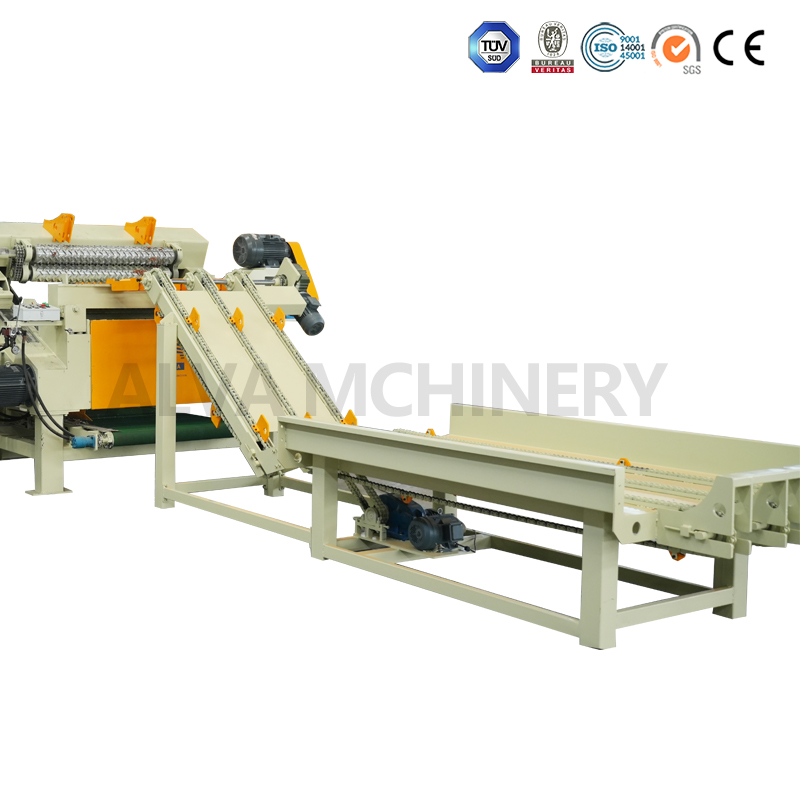
Looking for wood feeding conveyor solutions that make your job easier? Here are seven top choices you should know: Wood-Mizer Roller Chain Conveyor, Telescopic Conveyor, Timberwolf Belt Conveyor, Auger Conveyor, KWS Bulk Material Conveyor, Vibrating Conveyor, and Advanced Drive Screw Conveyor. These conveyors boost efficiency by automating material flow, improving safety, and cutting labor costs. You get better production, higher quality, and less downtime with the right conveyor in your operation.
Wood Feeding Conveyor Overview
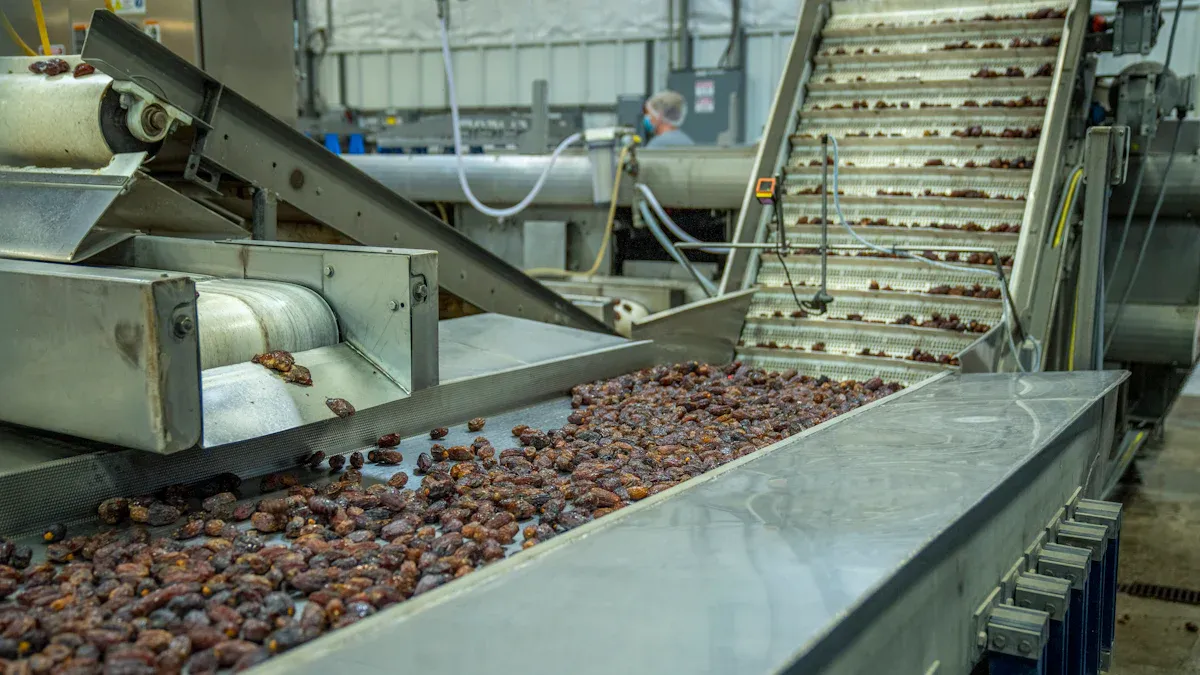
Wood feeding conveyors play a huge role in the lumber and wood processing industry. If you work in a sawmill, chip mill, or biomass plant, you know how important it is to move wood quickly and safely. These machines help you handle logs, chips, and sawdust with less effort and more control. You get better quality and higher production when you use the right conveyor.
Top 7 Conveyors List
Here are seven top wood feeding conveyor solutions you can find at Alva Machinery:
Roller Chain Conveyor
Telescopic Belt Conveyor
Belt Conveyor
Screw Conveyor
Vibrating Conveyor
Bucket Elevator Conveyor
Apron Plate Conveyor
Each conveyor offers unique features to fit different needs. Some work best for heavy logs, while others handle chips or sawdust. You can choose the right one based on your workflow and the type of wood you process.
Tip: Picking the right conveyor can boost your efficiency and make your job much easier.
Material Handling Efficiency
You might wonder why you should use a wood feeding conveyor instead of moving materials by hand. Here’s what you gain:
Conveyor systems automate material handling, so you need less manual labor.
You get faster production speeds and higher output.
These machines run continuously, so you avoid the downtime that comes with manual work.
Over time, you save money because conveyors lower your operational costs.
You reduce the risk of injuries since the conveyor does the heavy lifting.
You can handle larger volumes and keep your production line moving smoothly.
Let’s look at how these conveyors fit into different industries and what they do best:
Primary Functions | Industry Applications |
Optimizes feeding of drum and disc chippers | Pellet Industry |
Transports logs and sawmill residues | Board Industry |
Improves chipping consistency and throughput | Pulp and Paper Mills |
Integrates with process automation systems | Chip Mills |
Reduces energy consumption | Biomass power plants |
Enhances productivity and minimizes maintenance | Sawmill Operations |
When you use a wood feeding conveyor, you make your material handling process safer, faster, and more reliable. You also improve the quality of your finished products and keep your operation running at peak efficiency.
Wood-Mizer Roller Chain Conveyor
Features
You want a conveyor that handles tough jobs without breaking a sweat. The Wood-Mizer Roller Chain Conveyor stands out because it uses a heavy-duty chain system. This design lets you move large logs and timber with ease. The rollers keep wood moving smoothly, so you don’t have to worry about jams or slowdowns. You get adjustable speed controls, which means you can match the pace to your workflow. The frame is built from strong steel, so it lasts a long time even in busy environments. You also get easy access panels for quick maintenance. If you need to move wood across different levels, this conveyor can handle inclines and declines. The safety features help protect you and your team from accidents. You can find similar reliable models at Alva Machinery.
Note: The chain-driven design works well for both small and large pieces of wood. You don’t have to worry about the conveyor struggling with heavy loads.
Wood Handling Benefits
When you use a Wood-Mizer Roller Chain Conveyor, you make wood feeding much easier. You save time because the conveyor moves timber faster than manual labor. You also improve safety since the machine does the heavy lifting. You lower the risk of injuries and keep your team focused on other tasks. The conveyor keeps wood moving at a steady pace, so your production line stays efficient. You get better quality because the wood doesn’t get damaged or stuck. The system reduces downtime, which means you can meet your production goals without delays. You also cut labor costs because you need fewer people to move wood.
Here’s a quick look at how this conveyor helps you:
Benefit | What You Gain |
Faster movement | Higher production output |
Steady flow | Consistent wood quality |
Fewer injuries | Improved safety |
Less downtime | Reliable operation |
Tip: If you want to boost your wood feeding conveyor system, consider adding a roller chain conveyor for smoother and safer material handling.
Use Cases
You see Wood-Mizer Roller Chain Conveyors in many places. Timber yards use them to move heavy logs and cut timber. These machines help you manage large volumes without extra effort. Manufacturing centers rely on chain-driven conveyors to move items of different sizes and weights. You find them in automotive assembly lines, where they transport parts quickly and safely. Distribution centers use these conveyors to keep products moving from one area to another. If you run a sawmill, this conveyor helps you feed logs into chippers or saws with less hassle. You also see them in board factories and biomass plants, where steady wood flow is key to meeting production targets.
Timber yards: Move logs and cut timber efficiently.
Manufacturing centers: Handle items of different sizes and weights.
Automotive assembly lines: Transport parts with precision.
Distribution centers: Keep products flowing smoothly.
Sawmills and board factories: Feed wood into processing machines.
You get a conveyor that fits many industries and helps you reach your production goals. If you want a reliable solution, check out the options at Alva Machinery.
Telescopic Conveyor
Features
You want a conveyor that adapts to your needs and keeps your operation running smoothly. The telescopic conveyor stands out because of its smart design and flexibility. Here’s a quick look at what makes it special:
Feature | Description |
Specialized Belts | Smooth rubber and patterned rubber belts designed specifically for handling grain and wood chips. |
Advanced Control Systems | Lets you monitor and adjust the boom extension, speed, and stacking height. |
Heavy Duty Steel Undercarriage | Gives stability and support during operation. |
Flexible Mobility Components | Includes radial plinth, wheeled dolly, tracks, and all-wheel travel units for easy movement. |
Safety Features | Emergency stop buttons, safety guards, proximity sensors, and warning signs keep you protected. |
High Stockpiling Efficiency | Handles up to 4500 tons per hour, boosting your material handling efficiency. |
You can see how each feature works together to make your job easier. The advanced control systems let you fine-tune the conveyor for any task. The heavy-duty undercarriage and mobility options mean you can move and set up the conveyor wherever you need it. Safety features give you peace of mind while you work.
Tip: If you want a reliable telescopic conveyor, check out the options at Alva Machinery.
Material Handling Advantages
When you use a telescopic conveyor, you notice the difference right away. You load and unload wood faster, and you don’t have to worry about bottlenecks. The conveyor extends right into the back of a truck or storage area, so you move materials with less effort. This setup keeps your workflow smooth and steady.
A real-world example comes from Oldcastle, where a telescopic portable radial stacker increased storage capacity and reduced fire risks. By keeping wood loose and aerated, you lower the chance of spontaneous combustion. You also get a safer work environment.
Here’s what you gain with a telescopic conveyor:
You handle large volumes quickly and safely.
You create a rhythmic assembly line that keeps production moving.
You improve the quality of your finished products by reducing damage during transfer.
You also save time and labor, which means you can focus on other important tasks. The conveyor’s efficiency helps you meet your production goals and keeps your operation competitive.
Use Cases
You find telescopic conveyors in many wood processing facilities. Sawmills use them to load logs and chips into trucks or storage piles. Biomass plants rely on them to move wood chips efficiently. If you run a board factory, you use these conveyors to stack and organize materials with precision.
Distribution centers also benefit from telescopic conveyors. You can extend the conveyor right into a trailer, making loading and unloading much faster. This reduces manual lifting and keeps your team safe.
If you want to upgrade your wood feeding conveyor system, a telescopic conveyor from Alva Machinery gives you the flexibility and performance you need. You get a solution that fits your workflow and helps you deliver top-quality results every day.
Timberwolf Belt Conveyor

Features
You want a wood feeding conveyor that makes your job easier and keeps your operation running smoothly. The Timberwolf Belt Conveyor stands out because of its smart design and reliable performance. You get a sturdy steel frame that handles heavy loads without bending or breaking. The belt moves wood quickly, so you spend less time waiting and more time working. You can adjust the height and angle to fit your workspace. The motor runs quietly, which helps you focus on your tasks. You also get easy-to-use controls that let you change the speed for different types of wood.
Here’s a quick look at the main features:
Feature | Benefit |
Adjustable height | Fits different workstations |
Durable steel frame | Handles heavy wood loads |
Quiet motor | Reduces noise in your shop |
Speed controls | Matches your workflow |
Easy maintenance | Saves you time and effort |
If you want a conveyor that delivers consistent results, check out Timberwolf Belt Conveyor options at Alva Machinery.
Productivity Benefits
You notice a big jump in productivity when you use the Timberwolf Belt Conveyor. The belt moves wood fast, so you keep your production line moving without delays. You don’t need to lift heavy logs or boards by hand, which means you stay safe and avoid injuries. The conveyor keeps wood flowing smoothly, so you get better quality and fewer damaged pieces. You also save money because you need fewer workers to move materials.
Let’s break down the benefits:
You increase efficiency by automating wood movement.
You improve safety since the conveyor does the heavy lifting.
You boost production because the belt keeps wood moving at a steady pace.
You get higher quality finished products with less damage.
You lower labor costs and spend less time on repairs.
Tip: If you want to maximize your productivity and keep your team safe, the Timberwolf Belt Conveyor is a smart choice.
Use Cases
You see Timberwolf Belt Conveyors in many places where wood needs to move fast and safely. Sawmills use them to feed logs into saws and chippers. Woodshops rely on them to move boards and planks from one station to another. You also find these conveyors in pallet factories, where they help stack and organize wood pieces. Distribution centers use them to load and unload wood products quickly.
Here are some common use cases:
Sawmills: Move logs and boards efficiently.
Woodshops: Transfer planks between machines.
Pallet factories: Stack and organize wood pieces.
Distribution centers: Load and unload wood products.
You get a conveyor that fits many workflows and helps you reach your goals. If you want a reliable wood feeding conveyor, explore Timberwolf Belt Conveyor models at Alva Machinery.
Auger Conveyor
Features
If you want a wood feeding conveyor that handles sawdust and wood chips with ease, you should look at the auger conveyor. This machine uses a helicoid screw inside an enclosed tube or an open U-tube. The screw rotates and moves wood materials from one place to another. You can set the auger conveyor at any angle, from horizontal to vertical, which gives you more layout flexibility than a standard belt conveyor. The enclosed design keeps dust and spillage under control, so your workspace stays clean and safe.
Here’s a quick table that shows the main technical features:
Feature | Description |
Design | Helicoid screw rotates inside an enclosed tube or open U-tube. |
Functionality | Moves materials at various angles, from horizontal to vertical. |
Material Handling Capability | Handles dry, semidry, and wet wood materials like sawdust and fine wood chips. |
Enclosure | Fully enclosed option reduces dust and spillage. |
Angle Flexibility | Can be installed at any angle, offering more layout options than belt conveyors. |
Tip: If you want a reliable auger conveyor for wood material handling, check out the options at Alva Machinery.
Wood Material Handling
You get great efficiency when you use an auger conveyor for wood byproducts. The screw design moves sawdust, chips, and even wet materials without clogging. You can transport wood byproducts from storage bins to kilns or other processing areas. The enclosed tube keeps dust inside, which improves safety and air quality in your facility. You don’t have to worry about spillage or mess. The auger conveyor works well for both small and large volumes, so you can keep your production line moving.
You also get more control over your material handling process. The auger conveyor lets you move wood byproducts at different angles, so you can fit it into tight spaces or connect it to other machines. This flexibility helps you design a workflow that matches your needs. You save time and labor because the conveyor does the hard work for you.
Use Cases
You see auger conveyors in many wood processing facilities. Here are some common ways you can use them:
Move sawdust from sawmills to storage bins.
Transport sawdust to kilns for drying freshly cut lumber.
Use sawdust as an alternative fuel source for kilns, making your operation more efficient.
Handle fine wood chips and other byproducts in board factories.
Keep your workspace clean by reducing dust and spillage.
If you want a wood feeding conveyor that boosts efficiency and keeps your facility safe, the auger conveyor is a smart choice. You get better quality, less downtime, and a cleaner work environment. For trusted models, you can explore auger conveyors at Alva Machinery.
KWS Bulk Material Conveyor
Features
You want a conveyor that can handle tough jobs in your wood processing plant. The KWS Bulk Material Conveyor gives you that power. This conveyor comes with a shaftless screw design, which means you can move sticky or sluggish materials without worrying about clogs. The compact build lets you fit it into tight spaces, and you can set it up to move materials at steep angles—even straight up to 30 feet. You get a dust and vapor-tight system, so your workspace stays clean and safe. The conveyor has limited moving parts, which means you spend less time on maintenance and more time on production.
Here’s a quick look at what you get:
Shaftless screw design for sticky and tough materials
Compact size for easy installation and cleaning
Vertical and inclined options for flexible plant layouts
Dust and vapor-tight construction for better safety
Simple structure with fewer moving parts
Tip: If you want a reliable wood feeding conveyor, check out the KWS models at Alva Machinery.
Handling Efficiency
You will notice a big jump in efficiency when you use the KWS Bulk Material Conveyor. This machine helps you move bulk materials quickly and safely. You can elevate wood chips, sawdust, or shavings up to 30 feet without inner bearings, which saves space and keeps your operation running smoothly. The shaftless screw design gives you a non-clogging surface, so you can handle even the most difficult materials. You also get a dust-tight system, which keeps your air clean and your team safe.
Here’s how the KWS Bulk Material Conveyor boosts your efficiency:
Moves bulk materials vertically or at steep inclines, fitting any plant layout
Handles everything from semi-solids to free-flowing wood by-products
Non-clogging surface keeps material moving and reduces downtime
Simple design means easy maintenance and lower costs
Dust and vapor-tight build improves safety and air quality
You get a conveyor that keeps your production line moving and helps you deliver high-quality results every day.
Use Cases
You can use the KWS Bulk Material Conveyor in many parts of the wood industry. This conveyor handles by-products like sawdust, wood chips, and shavings with ease. You will see it in plants that make particleboard, flakeboard, and oriented strandboard. If you need to form sawdust into pellets for fuel, this conveyor does the job. It fits right into your workflow, whether you run a sawmill, a board factory, or a biomass plant.
Here are some common ways you might use this conveyor:
Moving sawdust and wood chips from processing machines to storage bins
Feeding wood shavings into board production lines
Transporting sawdust for pelletizing as an alternative fuel source
Handling wood by-products in particleboard and flakeboard plants
Note: The KWS Bulk Material Conveyor helps you keep your operation clean, safe, and productive. You get better quality and more reliable results with less effort.
Vibrating Conveyor
Features
You want a wood feeding conveyor that keeps your operation smooth and reliable. Vibrating conveyors stand out because they handle many types of wood materials with ease. You can move logs, chips, sawdust, and bark without worrying about jams or damage. The gentle conveying action protects fragile biomass and helps you keep your product quality high. You also save money since these conveyors use less energy than other systems. You can adjust the amplitude and frequency to match the wood type and flow rate, which boosts your efficiency. Fewer moving parts mean less maintenance and lower costs over time.
Here’s a quick table showing what makes vibrating conveyors a smart choice for material handling:
Feature | Description |
Versatile Material Handling | Moves logs, chips, sawdust, bark, and more for diverse wood applications. |
Gentle Conveying Action | Protects fragile wood and biomass, keeping quality high. |
Energy Efficiency | Uses less energy, saving you money and supporting sustainability. |
Adjustable Amplitude/Frequency | Lets you customize for different wood types and flow rates, improving efficiency. |
Low Maintenance | Fewer moving parts mean lower maintenance costs and less downtime. |
Tip: If you want a reliable vibrating conveyor for your wood processing needs, you can explore options at Alva Machinery.
Material Handling Benefits
You notice big improvements in your workflow when you use a vibrating conveyor. These machines operate at or near natural frequency, so you need less horsepower to start and keep them running. That means you save on energy costs, especially if you have several conveyors in your facility. The customizable design lets you fit the conveyor into your process flow, even if space is tight. Rugged alloy coil springs make these conveyors durable, so you spend less time on repairs. You also get a quieter work environment, which helps with safety and comfort. Counterbalanced designs keep vibration from spreading to your building, protecting your facility from fatigue.
Check out this table to see how vibrating conveyors help you with material handling:
Benefit | Description |
Efficiency | SYNCRO-COIL® conveyors need less horsepower, saving energy and boosting production. |
Energy Savings | Lower energy use means reduced operating costs for your wood feeding conveyor system. |
Reduced Footprint | Customizable design fits your space and workflow. |
Durability | Rugged springs handle heavy-duty jobs and minimize maintenance. |
Noise Reduction | Smooth, quiet operation creates a safer, more comfortable workspace. |
Structural Integrity | Counterbalanced design protects your building from vibration damage. |
Note: You get better quality, higher efficiency, and improved safety when you choose a vibrating conveyor for wood processing.
Use Cases
You see vibrating conveyors in many wood industry settings. These machines work well in sawmills, pulp and board mills, and bio-fuel applications. You can use them to move logs, slabs, edgings, trim-ends, chips, sawdust, and bark. The versatility makes them a great fit for almost any wood processing operation.
Sawmills
Pulp and board mills
Bio-fuel applications
Handling logs, slabs, edgings, trim-ends, chips, sawdust, and bark
If you want a conveyor that handles a wide range of wood materials and keeps your production line moving, vibrating conveyors are a smart choice. You can find trusted models at Alva Machinery.
Advanced Drive Screw Conveyor
Features
If you want a wood feeding conveyor that brings modern technology to your operation, the advanced drive screw conveyor is a top pick. You get a totally enclosed design, so you don’t have to worry about dust or spillage making a mess in your workspace. This feature keeps your area clean and helps protect your team’s health. The conveyor uses low energy, which means you save money and help the environment at the same time.
You can customize the screw diameter and the angle of incline. This flexibility lets you fit the conveyor into almost any production setup. The advanced drive systems give you precise control over speed and torque, so you can match the conveyor’s performance to your needs. You also benefit from variable pitch screws, which help you control how fast wood materials move. Specialized coatings on the screw increase resistance to abrasion and corrosion, so your equipment lasts longer.
Here’s a quick look at the main features:
Feature | Description |
Totally Enclosed Design | No dust or spillage during material handling |
Low Energy Consumption | Saves money and supports green operations |
Customization Options | Tailor screw diameter and incline for your workflow |
Advanced Drive Systems | Precise control over speed and torque |
Variable Pitch Screws | Adjusts material flow rates for optimal handling |
Specialized Coatings | Extends lifespan by resisting abrasion and corrosion |
Tip: If you want a conveyor with these advanced features, check out the options at Alva Machinery.
Productivity Advantages
You will notice a big boost in productivity when you use an advanced drive screw conveyor. The double-lip seal in the flange and on the gear unit output keeps out dust and abrasive materials. This protection means your conveyor runs longer without breakdowns. The labyrinth seal on the output shaft and the NILOS steel disc seal add even more defense against wear and tear.
You get optimized tooth-flank topology, which helps the conveyor resist shifting under heavy loads. Finely stepped sizes and torques mean you can pick the right setup for your operation, increasing machine availability and uptime. You don’t need belts or sheaves because the conveyor can integrate different motor inputs directly. This design makes your system simpler and more reliable.
Here’s how these features help your operation:
You spend less time on maintenance and repairs.
Your conveyor runs longer between service intervals.
You keep your production line moving, even with tough materials.
You enjoy higher efficiency and less downtime.
Note: These advantages help you meet your production goals and keep your team focused on what matters most.
Use Cases
You can use the advanced drive screw conveyor in many parts of the wood industry. It works great for removing sawdust and wood chips from production areas. Sawmills use it to clear waste, which can then be recycled as boiler fuel. If you work in biomass power generation, this conveyor helps feed wood fuel into the system. It also plays a key role in wood particle manufacturing, moving materials for board production or pelletizing.
Check out some common use cases:
Use Case | Description |
Sawdust Removal | Clears sawdust and chips from production areas |
Biomass Power Generation | Feeds wood fuel to biomass power systems |
Wood Particle Manufacturing | Moves wood particles for board or pellet production |
Waste Clearance at Sawmills | Recycles waste as boiler fuel |
Fly Ash Removal | Removes spent fly ash from biomass plant boilers |
If you want a conveyor that fits these needs, you can find reliable models at Alva Machinery. You get a solution that keeps your operation clean, efficient, and productive every day.
Conveyor Comparison
Features Table
You want to pick the right wood feeding conveyor for your job, but all the choices can feel overwhelming. Here’s a simple table to help you compare the top 7 conveyors side by side. You can see the main features, best uses, and what makes each conveyor stand out.
Conveyor Type | Main Features | Best For | Ideal Use Cases |
Roller Chain Conveyor | Heavy-duty chain, adjustable speed, strong | Large logs, heavy timber | Sawmills, timber yards |
Telescopic Conveyor | Extendable, mobile, advanced controls | Loading/unloading, flexibility | Distribution centers, sawmills |
Belt Conveyor | Adjustable height, quiet, easy controls | Boards, planks, fast movement | Woodshops, pallet factories |
Screw Conveyor (Auger) | Enclosed, angle flexibility, dust control | Sawdust, chips, byproducts | Sawmills, board factories |
Bulk Material Conveyor (KWS) | Shaftless screw, compact, dust-tight | Sticky, tough materials | Particleboard, pellet plants |
Vibrating Conveyor | Gentle action, energy efficient, durable | Logs, chips, bark, sawdust | Sawmills, pulp mills, bio-fuel plants |
Advanced Drive Screw Conveyor | Enclosed, customizable, advanced drive | Waste removal, fuel handling | Biomass plants, sawmills, board plants |
Tip: If you want more details or want to see these conveyors in action, check out Alva Machinery’s conveyor products.
Benefits Overview
You might still wonder which conveyor fits your needs best. Here’s a quick overview of the main benefits you get from each type:
Roller Chain Conveyor: You move heavy wood with less effort. You get steady flow and fewer jams, which keeps your production on track.
Telescopic Conveyor: You save time loading and unloading. You can reach tight spaces and adjust the conveyor to fit your workflow.
Belt Conveyor: You enjoy smooth, quiet operation. You move boards and planks quickly, boosting your efficiency.
Screw Conveyor (Auger): You keep dust under control and handle wood byproducts easily. You can install it almost anywhere.
Bulk Material Conveyor (KWS): You handle sticky or tough materials without clogs. You keep your workspace clean and safe.
Vibrating Conveyor: You protect fragile wood and save energy. You get a durable system that needs little maintenance.
Advanced Drive Screw Conveyor: You get a clean, enclosed system with advanced controls. You move waste or fuel efficiently and keep your operation running smoothly.
You can use this comparison to match the right conveyor to your wood type, space, and production needs. Picking the right wood feeding conveyor helps you boost efficiency, cut downtime, and keep your team safe.
Note: Every operation is different. If you want help choosing the best conveyor, reach out to the experts at Alva Machinery. They can help you find the perfect fit for your workflow.
Choosing a Conveyor
Wood Type
Picking the right wood feeding conveyor starts with knowing your wood type. You might work with heavy logs, light boards, or fine sawdust. Each material needs a different conveyor style to keep your workflow smooth and your production line moving.
Here are some things you should look at when matching a conveyor to your wood type:
Conveyor style matters. Chain-style V-trough conveyors handle big logs and rough timber. Belt-style conveyors work best for boards and planks. Hydraulic top-drive conveyors give you more control for tricky materials.
Power source can change how your conveyor fits into your operation. Gas engines work well for outdoor setups. Hydraulic drives connect easily to existing machinery and make maintenance simpler.
Maintenance requirements differ by conveyor type. Some need regular checks on chains, belts, or hydraulic systems. Keeping up with maintenance helps you get the most out of your conveyor and keeps your team safe.
If you want a conveyor that matches your wood type, check out the options at Alva Machinery. You’ll find models built for every kind of wood.
Tip: Always match your conveyor style to the wood you process. This keeps your operation running smoothly and boosts efficiency.
Volume Needs
Think about how much wood you need to move each day. Your volume needs shape the kind of conveyor you should choose. If you run a busy sawmill, you need a conveyor that handles high loads without slowing down. Smaller shops might need a compact conveyor for lighter work.
Here’s a quick table to help you decide:
Volume Level | Recommended Conveyor Type | Why It Works |
High (tons/hour) | Roller Chain, Bulk Material | Handles heavy loads, boosts productivity |
Medium | Belt, Vibrating | Moves boards and chips efficiently |
Low | Auger, Advanced Drive Screw | Perfect for sawdust, small batches |
You want a conveyor that matches your production goals. If you pick a model that’s too small, you’ll face bottlenecks. If you go too big, you might waste energy and space.
Note: Always check the specs before you buy. Make sure your conveyor can handle your daily volume.
Space Constraints
Your workspace affects which conveyor fits best. Some conveyors need lots of room, while others work in tight spaces. Measure your area before you choose. Vertical conveyors save floor space and fit into compact layouts. Belt and vibrating conveyors need more room for safe operation.
Here are some quick tips for fitting a conveyor into your space:
Measure your available area before you shop.
Look for compact designs if you have limited space.
Vertical and inclined conveyors help you use your space better.
Modular conveyors let you adjust the layout as your needs change.
If you need help finding a conveyor for a small area, check out the space-saving models at Alva Machinery. You’ll find options that fit almost any workspace.
Tip: A good fit keeps your workflow smooth and helps you reach your productivity targets.
Maintenance
You want your wood feeding conveyor to run smoothly every day. Regular maintenance keeps your conveyor working at its best and helps you avoid costly breakdowns. If you skip maintenance, you might face unexpected downtime, which can slow your production and hurt your workflow.
Start by checking the moving parts. Look at chains, belts, screws, and bearings. Clean these parts often to prevent dust and debris from building up. Lubricate the chains and bearings so they move easily. If you hear strange noises or see signs of wear, fix them right away. Quick repairs stop small problems from turning into big ones.
Here’s a simple checklist you can follow:
Inspect chains, belts, and screws for wear.
Clean dust and debris from all moving parts.
Lubricate bearings and chains regularly.
Tighten loose bolts and fasteners.
Replace worn-out parts before they fail.
Test safety features like emergency stops.
You should also keep a maintenance log. Write down each inspection and repair. This record helps you spot patterns and plan future maintenance. If you notice the same issue over and over, you might need to upgrade your conveyor or change how you use it.
A well-maintained conveyor boosts efficiency and keeps your team safe. You spend less time fixing problems and more time focusing on production. You also save money because you avoid expensive emergency repairs.
Tip: If you need help with maintenance or want to find reliable conveyor models, check out the options at Alva Machinery. Their products come with support and easy-to-follow maintenance guides.
Here’s a quick table to help you remember the main maintenance tasks:
Task | Why It Matters |
Regular inspection | Spots problems early |
Cleaning | Prevents jams and breakdowns |
Lubrication | Keeps parts moving smoothly |
Fastener checks | Stops parts from coming loose |
Safety tests | Protects your team |
When you take care of your conveyor, you keep your workflow running and improve productivity. You also make your wood feeding conveyor last longer, which saves you money in the long run.
You’ve seen how each wood feeding conveyor can boost efficiency and make your job easier. These conveyors help you move wood faster, keep your workspace safe, and improve production.
Roller chain, telescopic, belt, auger, bulk material, vibrating, and advanced drive screw conveyors all offer unique benefits.
Ready to upgrade your workflow? Check out the top conveyor solutions at Alva Machinery and pick the best fit for your needs.
FAQ
What type of wood feeding conveyor should I choose for heavy logs?
You should pick a roller chain conveyor. It handles big logs and heavy timber with ease. For trusted options, check out Alva Machinery’s products.
Can I use a conveyor for sawdust and wood chips?
Yes! Auger and screw conveyors work great for sawdust and chips. They keep dust under control and move fine materials smoothly.
How often should I maintain my wood feeding conveyor?
You should inspect and clean your conveyor weekly. Lubricate moving parts and check for wear. Regular care keeps your conveyor running longer and safer.
Are these conveyors safe for my team?
Yes, most modern conveyors include safety features like emergency stops and guards. Always train your team and follow safety guidelines for best results.
Will a conveyor fit in my small workshop?
You can find compact conveyors designed for tight spaces. Vertical and modular models save floor space. Measure your area before you buy.
Can I adjust the speed of my conveyor?
Many conveyors let you change the speed. Adjustable controls help you match the conveyor to your workflow and wood type.
Where can I buy reliable wood feeding conveyors?
You can find a wide range of quality conveyors at Alva Machinery. They offer solutions for every wood handling need.
Do vibrating conveyors use a lot of energy?
No, vibrating conveyors use less energy than many other types. They run efficiently and help you save on power costs.

 English
 العربية
 Français
 Русский
 Español
 Português
 Deutsch
 italiano
 日本語
日本語 한국어
한국어 Nederlands
 Tiếng Việt
 ไทย
ไทย Polski
 Türkçe
 አማርኛ
አማርኛ ພາສາລາວ
 ភាសាខ្មែរ
 Bahasa Melayu
 ဗမာစာ
ဗမာစာ தமிழ்
தமிழ் Filipino
 Bahasa Indonesia
 magyar
 Română
 Čeština
 Монгол
 қазақ
қазақ Српски
 हिन्दी
 فارسی
فارسی Kiswahili
 Slovenčina
 Slovenščina
 Norsk
Norsk Svenska
 українська
 Ελληνικά
 Suomi
Suomi Հայերեն
 עברית
עברית Latine
 Dansk
Dansk اردو
اردو Shqip
Shqip বাংলা
বাংলা Afrikaans
 Māori
Māori অসমীয়া
 Беларуская мова
 Català


