 | Product Introduction |
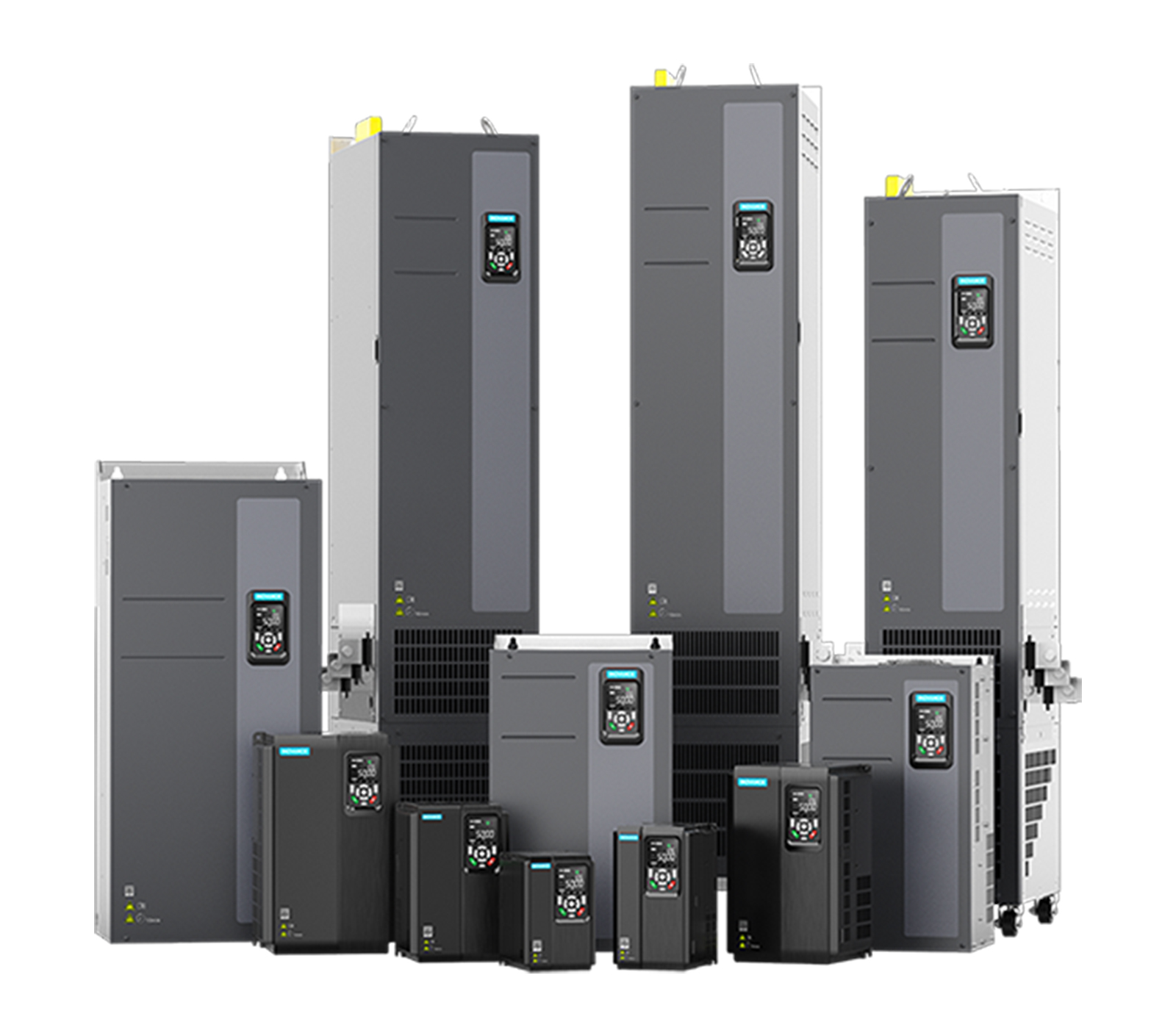
This series of inverters is specially designed for woodworking machinery including log rounders, non-cartridge veneer peeling machines and cartridge veneer peeling machines. Adopting advanced variable frequency control technology, it features wide voltage adaptability, stable speed regulation, soft start, and complete over-current, over-load and over-temperature protection. It can accurately adjust motor speed and feeding speed to ensure stable operation, sufficient torque and smooth start/stop during peeling, rounding and feeding, effectively reducing mechanical shock and equipment wear. With strong anti-interference performance and high adaptability to dusty and heavy-duty working environments, the inverter delivers stable and reliable performance, significantly improving equipment efficiency and processing accuracy, making it an ideal power control component for modern woodworking veneer production lines.
| Product Display |
| Product Advantages |
01
Different woodworking processes (high-speed sawing, low-speed planing, fine sanding) have vastly different requirements for motor speed and torque. A dedicated inverter enables flexible adjustment, smoothing start-stop and acceleration/deceleration. Using S-shaped acceleration/deceleration curves, the motor start/stop times can be set to 0.5-10 seconds, avoiding tool vibration caused by current shock during startup (such as in carving processes) and reducing burrs. It also prevents panel shifting caused by inertia during shutdown, improving finished product accuracy (dimensional error ≤ 0.05mm).
02
Significant energy savings and consumption reductions lower business operating costs, with power output adjusted on demand. Conventional motors operate at constant speed, drawing full power even under light loads (such as sanding thin sheets). A dedicated inverter automatically adjusts output power based on the processing load, reducing energy consumption by 8%-12% for every 10% decrease in load. For example, a 15kW sander operating 10 hours per day can save approximately 5,000-8,000 kWh of electricity annually, reducing electricity costs by over 30%.
03
Interference resistance and environmental adaptability: This product features an IP20 or higher enclosure (some models support IP54 dust protection) and EMC design to resist harmonic interference generated by motor start-up and shutdown in woodworking workshops. It operates in a temperature range of -10°C to 50°C, adapting to humid and dusty environments, and boasts a mean time between failures (MTBF) of over 8,000 hours.
04
Improve production stability, optimize operation and collaborative efficiency, and facilitate integration and collaboration: Support linkage with woodworking machinery CNC cabinets and PLC systems, remotely set the speed and read operating data (such as current, speed, fault codes) through the CNC system, and achieve "one-button start of multi-process speed regulation" (such as automatic speed switching of cutting, punching, and grooving on the cutting machine), shortening the process connection time to 2-3 seconds, and improving automated production efficiency.

 English
 العربية
 Français
 Русский
 Español
 Português
 Deutsch
 italiano
 日本語
日本語 한국어
한국어 Nederlands
 Tiếng Việt
 ไทย
ไทย Polski
 Türkçe
 አማርኛ
አማርኛ ພາສາລາວ
 ភាសាខ្មែរ
 Bahasa Melayu
 ဗမာစာ
ဗမာစာ தமிழ்
தமிழ் Filipino
 Bahasa Indonesia
 magyar
 Română
 Čeština
 Монгол
 қазақ
қазақ Српски
 हिन्दी
 فارسی
فارسی Kiswahili
 Slovenčina
 Slovenščina
 Norsk
Norsk Svenska
 українська
 Ελληνικά
 Suomi
Suomi Հայերեն
 עברית
עברית Latine
 Dansk
Dansk اردو
اردو Shqip
Shqip বাংলা
বাংলা Afrikaans
 Māori
Māori অসমীয়া
 Беларуская мова
 Català


